 Sunil Mittal says OneWeb ahead of Musk in Indian approval queue
 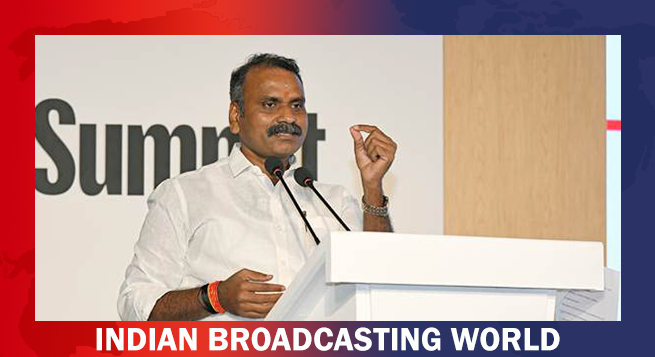 Murugan resigns from Cabinet as Mos MIB & Rajya Sabha
  Broadcasters flag HD-SD conversion, satellite spectrum concerns in submission to MIB on telecom rules 2026
  MIB seeks dismissal of AIDCF plea against WAVES, says OTT rules differ from TV
 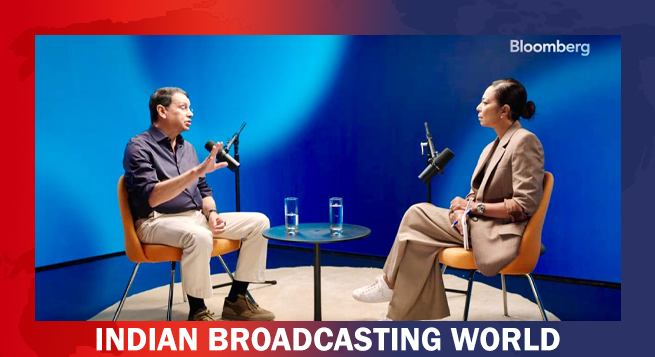 Uday Shankar: Indian M&E sector needs policy support to compete globally
  India’s M&E sector needs 15% growth to reach $100bn by ‘30: CII paper
  India’s media sector must create global brands, says MIB secy at CII Summit
  ‘The Love Hypothesis’, ‘Carrie’ lead Prime Video’s weekly global rankings
  Amitabh Bachchan recalls Allahabad’s famous milk jalebis on ‘KBC 18’
  Prime Video announces weekly line-up of Indian, global shows & series




YouTube has introduced a major update to its audience measurement system with the launch of a new unique reach metric designed specifically for Connected TV (CTV) viewing. The move marks a significant shift in how digital video consumption is tracked, bringing YouTube’s analytics framework closer to traditional television audience measurement standards.
According to a Storyboard18 report, the new system has been designed to address the growing phenomenon of co-viewing in living rooms, where multiple people often watch content together on a single television screen. The update reflects changing viewing habits as Connected TVs continue to gain traction globally, especially among families and shared households.
Until now, digital video platforms largely treated a single logged-in device or account as one viewer. However, YouTube’s revised measurement framework separates device activity from actual audience consumption patterns. While smartphones, tablets, and laptops will continue to measure viewership through individual logged-in users, Connected TV viewership will now rely on predictive audience modelling to estimate how many people are watching together.
The company said the system uses contextual signals such as viewer demographics, content categories, and viewing timings to estimate additional co-viewing audiences. The update is expected to offer advertisers a more accurate picture of real audience reach, particularly for campaigns running on television screens through YouTube.
YouTube also confirmed that the co-viewing estimation model has been validated against established industry standards, including Nielsen measurement frameworks, in an effort to ensure credibility and consistency for advertisers, agencies, and content creators.
The development comes at a time when Connected TV advertising is rapidly growing, with brands increasingly shifting budgets towards streaming platforms that attract large-screen audiences. By introducing television-style audience measurement, YouTube appears to be strengthening its positioning against traditional broadcasters and competing streaming platforms.
Alongside the measurement update, YouTube has also expanded creative features within its Shorts ecosystem as competition in the short-form video space intensifies. After recently rolling out carousel posts that allow creators to upload multiple photos in a swipeable format, the platform has now added audio integration capabilities for static and multi-image posts.
Creators can now attach background music directly from YouTube’s extensive music catalogue or use AI-powered soundtracks generated through the platform’s “Dream Track” tool. The additions are aimed at giving creators more flexibility while enhancing user engagement across Shorts content.
The latest updates underline YouTube’s broader strategy to strengthen both its advertising infrastructure and creator ecosystem, particularly as streaming, Connected TV viewing, and short-form video consumption continue to reshape the global digital entertainment landscape.