 Meta says expanded AI sweep of ads linked to child abuse in India
  With WBD merger closed, Skydance is a Hollywood giant
  TRAI flags mixed 2025-26 trends: DTH shrinks, telecom base expands
 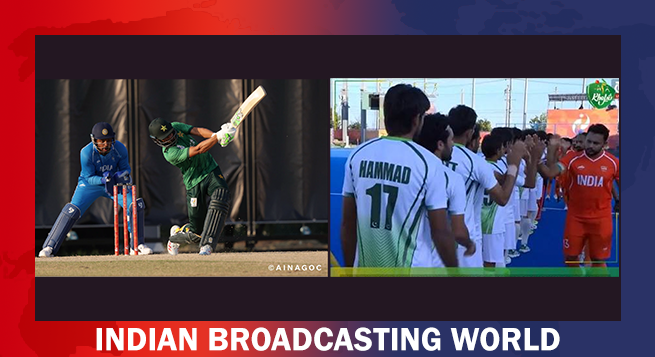 Ind, Pak cricket & hockey matches most viewed in Asian Games history
 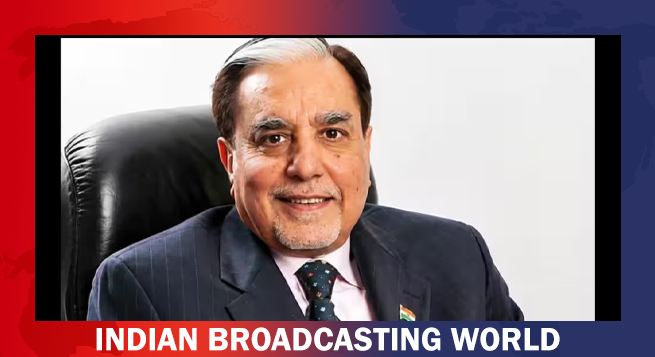 Zee completes 34 years as Subhash Chandra recalls media journey
  CNN-News18 ‘Indian of the Year 2026’ opens public voting
  India Today Conclave Mumbai to explore ‘Gateway to Growth’
 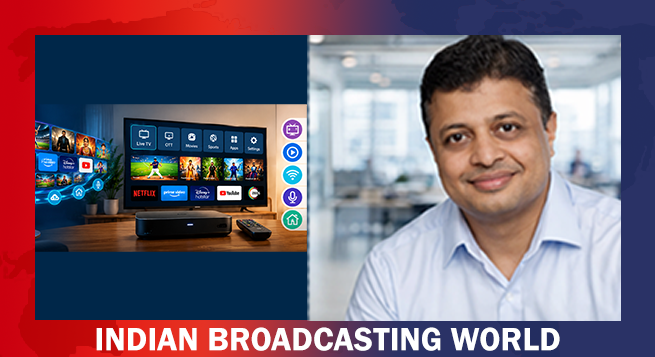 Guest Column: STB evolves from decoder to connected entertainment
  30-min sitcom ‘Abbott Elementary’ reaches rare feat of 100 episodes
  Sony AATH’s ‘Raandhuni…’ sees high-stakes elimination




India’s television distribution platform operators (DPOs) are pushing for lower payouts in content carriage agreements as shrinking subscriber numbers and rising channel prices continue to put pressure on their margins. The move is expected to trigger tough negotiations between distributors and broadcasters in the coming months, according to industry executives familiar with the matter.
According to a report by The Economic Times, major DPOs, including Tata Play, Airtel Digital TV and GTPL Hathway, are seeking discounts in their content deals with broadcasters. Distributors argue that the current structure has become increasingly difficult to sustain as they continue making fixed payouts despite a declining subscriber base and increasing content costs.
DPOs distribute television channels to consumers through cable, direct-to-home (DTH) and headend-in-the-sky (HITS) platforms. Industry executives said that while subscriber churn has accelerated across the pay-TV ecosystem, broadcasters have continued to increase channel prices, creating a significant mismatch between revenue growth and operational realities for distributors.
Although the Telecom Regulatory Authority of India’s (TRAI) New Tariff Order prohibits fixed-fee agreements between broadcasters and distributors, executives told the publication that such arrangements remain prevalent in the industry. Some broadcasters are reportedly offering discounts during ongoing negotiations, but distributors are pushing for broader concessions to offset mounting pressures on profitability.
“Most DPOs are seeking discounts from broadcasters since it is becoming unsustainable to deliver annual revenue growth despite subscriber churn and repeated channel price hikes,” a senior executive at a leading distribution company was quoted as saying. According to the report, distributors are seeking discounts in the range of 5 to 7 percent.
However, industry observers believe broadcasters with dominant market positions are unlikely to offer significant reductions. Leading television networks such as JioStar, Zee Entertainment Enterprises, Sun TV Network and Sony Pictures Networks India collectively account for more than 70 percent of television viewership in the country, giving them considerable leverage during negotiations.
The discussions come at a time when India’s pay-TV market is facing sustained pressure from changing viewing habits and the growing popularity of digital streaming platforms. According to the FICCI-EY Media & Entertainment Report 2026, the country’s pay-TV universe contracted by approximately 11 million households in 2025. As a result, subscription revenues declined by 8 percent to Rs.35,400 crore during the year.
The outlook remains challenging. The report estimates that pay-TV subscription revenue will decline by a further 3 percent in 2026 to around Rs.34,300 crore, reflecting the continued migration of audiences toward digital entertainment options and the ongoing struggle to retain subscribers.
The latest negotiations also follow broadcasters’ decision earlier this year to increase the prices of several channel bouquets by around 10 percent. Implemented in February, the price hikes were aimed at offsetting rising content and production costs but added further pressure on distributors already grappling with subscriber losses and slowing revenue growth.
With both broadcasters and distributors seeking to protect profitability in a shrinking market, industry executives expect the current round of negotiations to be closely watched, as the outcome could influence the economics of India’s television distribution sector over the coming years.