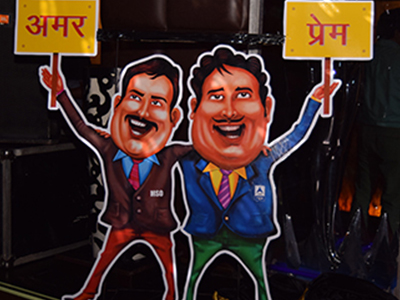
 Sudhir Chaudhary wins two big Honours at XIIᵗʰ BCS Ratna Award 2026
  12th BCS Ratna Award: JioStar’s Aravamudhan is Lifetime Achievement honouree
  XIIth BCS Ratna Award : JioStar CEO Entertainment Kevin Vaz honoured
  XIIth BCS Ratna Award 2026: Media achievers honoured
 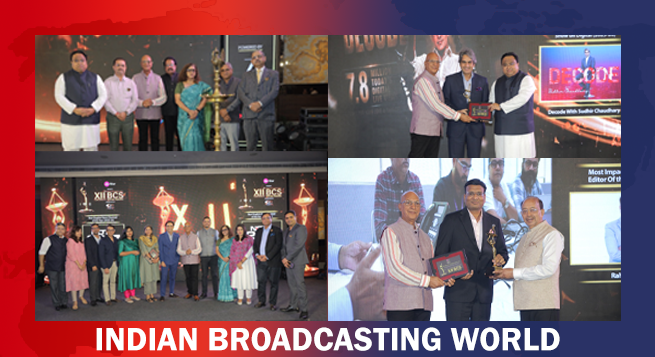 12th BCS Ratna Award a roaring success; honours excellence in M&E
 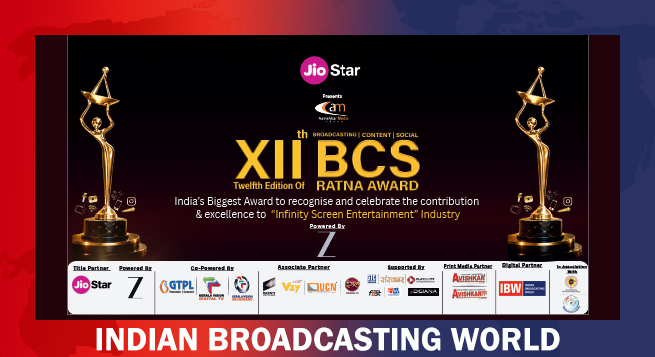 Twelfth BCS Ratna Award boasts stellar lineup; to be held on Aug 5
 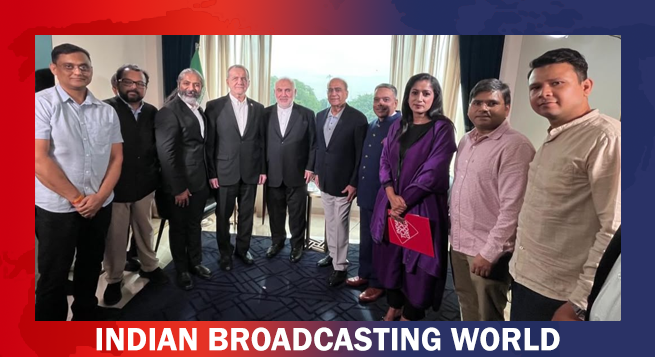 Pezeshkian gives exclusive interview to India Today
  Nilkamal Sleep joins ‘Bigg Boss Telugu’ as associate sponsor
  ‘Haiwaan’ earns Rs 4.60 crore on release day
  Netflix highlights new technology at IBC 2026
  Apple TV’s ‘Being Heumann’ opens TIFF



The Ministry of Information and Broadcasting (MIB) has reportedly directed the Broadcast Audience Research Council (BARC) not to charge subscription fees from news broadcasters during the ongoing suspension of television ratings, offering temporary relief to channels operating without access to audience measurement data.
According to The Storyboard18 report, the ministry has conveyed that news broadcasters should not be billed for audience measurement services while Television Rating Point (TRP) data remains unavailable to them. The move comes amid a prolonged freeze on television news ratings, which has left broadcasters, advertisers and media planners without one of the industry’s most important performance indicators.
The reported directive is expected to reduce financial pressure on news channels that have continued paying for audience measurement services despite not receiving weekly ratings data. Industry executives indicated that the ministry’s position is based on the principle that broadcasters should not be charged for a service they are currently unable to access.
The development follows the government’s recent decision to extend the suspension of television news ratings by another four weeks. BARC had informed its subscribers that ratings data for news channels would continue to remain unavailable until further directions are received from the ministry.
The ratings blackout was first introduced earlier this year amid concerns over sensationalism and speculative reporting in television news coverage. Since then, the suspension has been extended multiple times, creating an unprecedented situation in which news broadcasters are functioning without current audience measurement data.
The reported fee waiver, however, has triggered discussion within sections of the media industry regarding the extent of government involvement in the functioning of BARC, which operates as an industry-led audience measurement body. Some stakeholders have reportedly expressed concerns that directions relating to subscription charges could be viewed as intervention in the organisation’s commercial affairs.
The issue is unfolding alongside broader reforms to India’s television audience measurement ecosystem. Under the Television Rating Policy, 2026, the government introduced measures aimed at increasing transparency and improving the ratings framework. One of the key proposals under the policy seeks to exclude “landing page” viewership from ratings calculations, a move that has faced legal challenges and is currently under judicial review following an interim stay granted by the Kerala High Court.
The prolonged absence of ratings has also affected the advertising market. Broadcasters, media agencies and advertisers have been forced to rely on historical audience trends, market intelligence and direct engagement with clients in the absence of current viewership data. Industry experts say this has complicated media planning and campaign evaluation processes, particularly for television news channels that traditionally depend on weekly ratings to demonstrate audience reach and competitiveness.
While the reported waiver of subscription fees may provide short-term relief to news broadcasters, uncertainty continues over the future of television ratings and the timeline for restoring regular audience measurement services. The industry is now closely watching both regulatory developments and court proceedings that will shape the next phase of India’s television ratings framework.