 Ficci FRAMES session discusses what makes reality TV tick
  Shekhawat: India must shift from content consumer to global creator
  Puneet Goenka, Gaurav Banerjee, Rahul Kanwal share views on TV ratings
 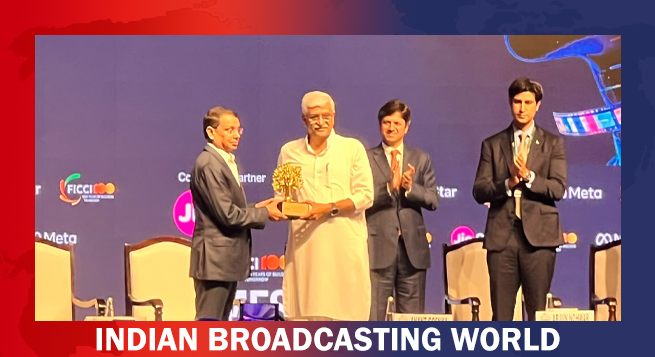 Uday Shankar urges Indian M&E sector to help nation’s global narrative
  At FICCI FRAMES ‘26, Vaz bats for more innovation, regulatory flexibility
  India b’band base at 1.1bn in August, telecom subs cross 1.36bn
  From Netflix’s Sarandos to Ben Affleck: highlights of Bloomberg event
  ‘Neagley’ S2 okayed after S1 nets 40mn viewers at Prime Video
  Paramount, WBD merged entity to be christened Skydance
  Mehta shares ‘Gandhi’ BTS images on Mahatma’s birth anniversary
  Peacock greenlights ‘Fast & Furious’ series; debut in 2028



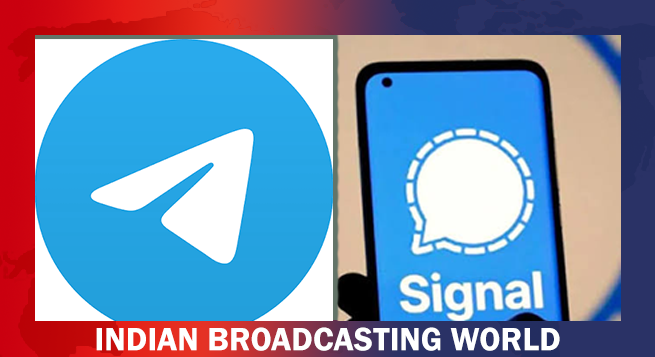
The Ministry of Electronics and Information Technology has expanded its scrutiny of messaging platforms by issuing notices to Telegram and Signal over their username-based communication features, days after raising similar concerns with Meta-owned WhatsApp.
According to a PTI report, the government has sought explanations from both platforms on how they address potential risks associated with usernames, including fraud, impersonation, phishing attempts and other cybercrimes. The move comes amid growing concerns that such features could allow bad actors to contact users without requiring access to their phone numbers.
Sources familiar with the matter said the government has specifically asked Telegram to explain why the username feature should continue to exist on the platform. Telegram and Signal already allow users to create unique usernames that can be used for connecting and communicating without sharing their mobile numbers.
The latest action follows MeitY’s notice to WhatsApp earlier this week regarding its proposed username feature. The government expressed concern that the functionality could materially increase online fraud, phishing attacks, impersonation attempts and so-called digital arrest scams. It also directed WhatsApp to pause the rollout until consultations with the government are completed.
While the government views the cases as broadly similar, officials have noted important differences. Telegram and Signal already offer username based communication, whereas WhatsApp has only announced plans to introduce the feature. The scale of the platforms also varies significantly, with WhatsApp having more than 500 million users in India, making the country its largest market.
In its communication to WhatsApp, the Centre reportedly reminded Meta that the platform, as a significant social media intermediary, is required to comply with due diligence obligations under the Information Technology Act and related rules. The government also sought an explanation on why regulatory action should not be considered if the proposed feature is found to increase cybercrime risks.
WhatsApp has defended the feature, stating that it includes multiple safeguards designed to protect users from scams, impersonation and unwanted interactions. The company subsequently released a detailed set of FAQs outlining how usernames would work and the security measures being built into the system.
The government’s focus on Telegram comes amid heightened regulatory attention on the platform in recent months. Authorities have expressed concerns over fraud, impersonation and the circulation of sensitive content through the messaging service. Earlier this year, Telegram faced a temporary restriction in India linked to concerns surrounding the circulation of leaked and fake NEET examination papers and other misleading content. The platform resumed operations after the restrictions were lifted.
With notices now issued to WhatsApp, Telegram and Signal, the government appears to be taking a broader look at username-based communication features across major messaging platforms as it evaluates their impact on user safety and cybersecurity.