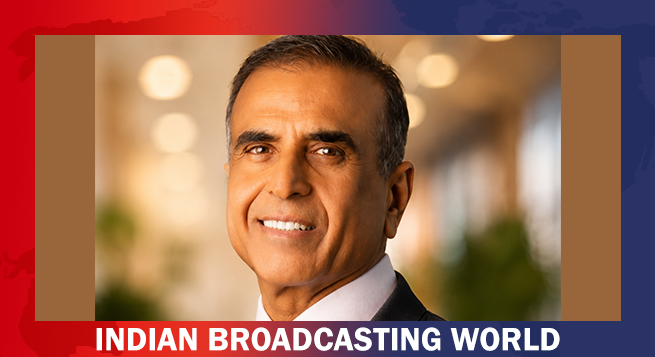
 Sunil Mittal says OneWeb ahead of Musk in Indian approval queue
  Murugan resigns from Cabinet as Mos MIB & Rajya Sabha
  Broadcasters flag HD-SD conversion, satellite spectrum concerns in submission to MIB on telecom rules 2026
  MIB seeks dismissal of AIDCF plea against WAVES, says OTT rules differ from TV
  Uday Shankar: Indian M&E sector needs policy support to compete globally
 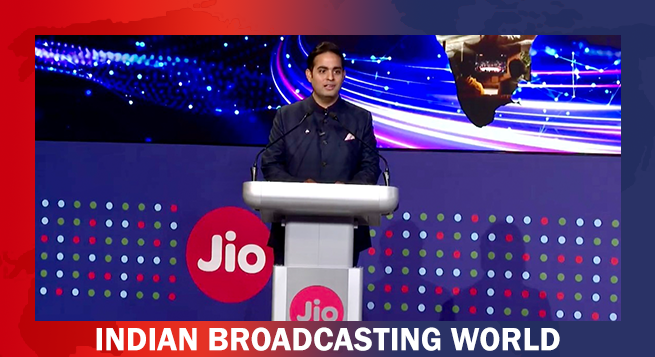 Akash Ambani banks on selling more services to up revenue
  Chanu, Dhanda, Sooryavanshi among CNN-News18 ‘IOTY’ sports nominees
 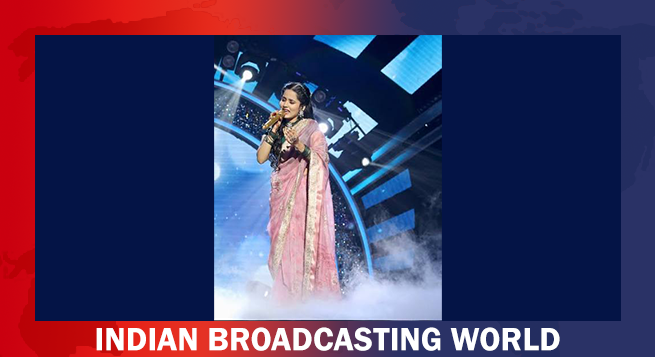 On ‘Legends Return’ Bidipta talks about growth after ‘Indian Idol’
  Ofcom study flags concerns over offensive language on air
  ISL says first 5 matches netted 65mn YouTube views; 52mn viewers



India’s economic regulator for the broadcasting and cable sector, the Telecom Regulatory Authority of India (TRAI), has sided with an expert committee and suggested introduction of a testing and certification regime for CAS and SMS (subscriber management system) employed by content distribution platforms under an oversight mechanism to ensure compliance.
The regulatory body while issuing the recommendations yesterday, stressed the approach has been to have light-touch regulations and were done so under the Telecommunication (Broadcasting and Cable) Services Interconnection (Addressable Systems) (Third Amendment) Regulations, 2021 (1 of 2021), which provides for a framework for technical compliance of CAS and SMS.
The rationale behind the new set of regulations is that despite stipulations for transmission of encrypted content, as mandated, complaints were being received from various broadcasters and distribution platform operators (DPOs) about unauthorized distribution of signals.
Complaints were also received on issues related to support from conditional access system (CAS)/subscriber management system (SMS) providers, under-reporting of subscription, etc.
As the existing provisions had no prescribed minimum benchmark for CAS/SMS for appropriate encryption security and compliance mechanism, below-standards systems could render the distribution network vulnerable to hacking and content piracy, TRAI explained.
The suggested framework is expected to bring several important benefits to the television broadcasting sector and the consumers, according to TRAI. Some highlights are the following:
- The framework is the first step to define an indigenous set of specifications in the line of international standards.
- A tightly synchronized working of CAS and SMS, as specified by the framework, will enable factual reporting of subscriber base. This will reduce revenue loss to stakeholders on account of erroneous subscription reporting. Better assurance of revenue, in turn, may encourage the stakeholders to invest further in improvement in quality of content and services.
- The framework will usher-in better content security in the distribution value chain. This, in turn, shall give confidence to the global content developer community and will pave the way for increased availability of better quality, high-definition content to Indian television viewers.
- The framework would improve end-to-end compliance and reduce litigations among the service providers.