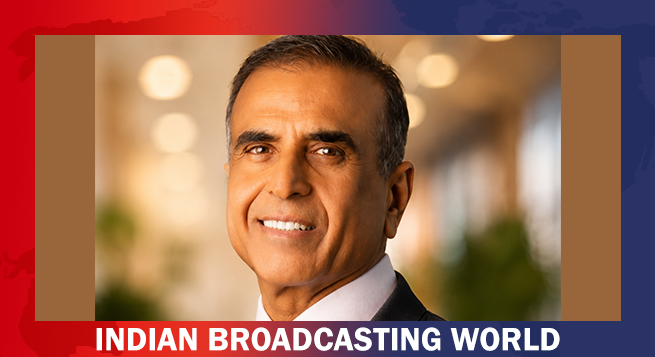
 Sunil Mittal says OneWeb ahead of Musk in Indian approval queue
  Murugan resigns from Cabinet as Mos MIB & Rajya Sabha
  Broadcasters flag HD-SD conversion, satellite spectrum concerns in submission to MIB on telecom rules 2026
  MIB seeks dismissal of AIDCF plea against WAVES, says OTT rules differ from TV
  Uday Shankar: Indian M&E sector needs policy support to compete globally
 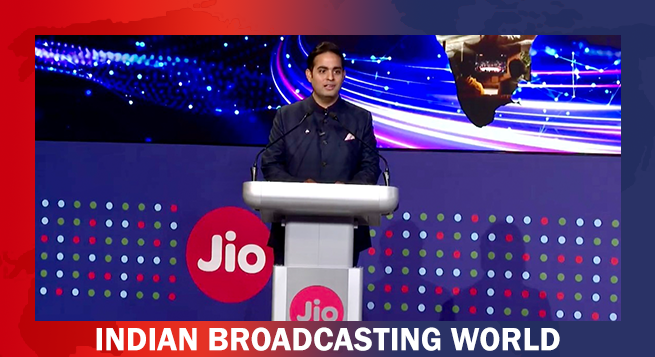 Akash Ambani banks on selling more services to up revenue
  Chanu, Dhanda, Sooryavanshi among CNN-News18 ‘IOTY’ sports nominees
  On ‘Legends Return’ Bidipta talks about growth after ‘Indian Idol’
  Ofcom study flags concerns over offensive language on air
 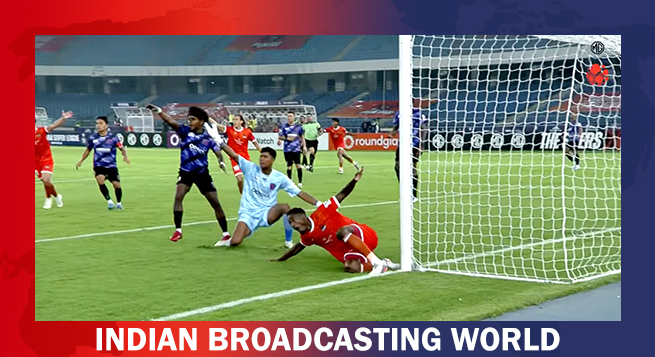 ISL says first 5 matches netted 65mn YouTube views; 52mn viewers



Viewers and listeners are more troubled by discriminatory language than swearing on television, radio and on-demand services, according to British communications regulator Ofcom’s latest attitudinal research, which highlights the need to balance freedom of expression with audience protection.
The findings also underline continued support for safeguards for children and greater flexibility for adult-oriented programming aired after the watershed, according to an Ofcom statement yesterday.
The study found that growing familiarity with swear words in everyday life has contributed to greater tolerance of their use in programmes.
Participants said offensive language could serve dramatic, comedic and educational purposes, as well as reflect real-life conversations.
However, they expected broadcasters to use such language responsibly and give audiences sufficient information and control over what they watch and hear.
Discriminatory language remained a greater concern, with terms relating to race, nationality and ethnicity among the least acceptable.
Language targeting sexual orientation, gender identity, and physical and mental health conditions was also considered particularly sensitive.
Views on reclaimed offensive terms were divided, with some participants seeing them as empowering and others warning they could normalise harmful language.
Context played a major role in determining acceptability, with the speaker’s intent emerging as one of the strongest influences.
Survey participants also considered the channel, broadcast time, genre, speaker’s identity and the use of warnings, apologies or bleeping.
The BBC was held to particularly high standards, while audiences were generally more accepting of offensive language on on-demand platforms, where they had actively chosen the content.
In response, Ofcom is revising its Quick Reference Guide for broadcasters, assigning potentially offensive words and phrases separate acceptability ratings for pre-watershed and post-watershed programming.
The change reflects differing audience expectations depending on broadcast time and the likelihood of children watching, providing clearer guidance on safeguards while allowing greater flexibility for adult programming.
The findings will also inform Ofcom’s Content Standards and Enforcement team when assessing cases involving potentially offensive language.