 Uday Shankar: Indian M&E sector needs policy support to compete globally
  Guest Column: STB evolves from decoder to connected entertainment
  Meta says expanded AI sweep of ads linked to child abuse in India
  With WBD merger closed, Skydance is a Hollywood giant
 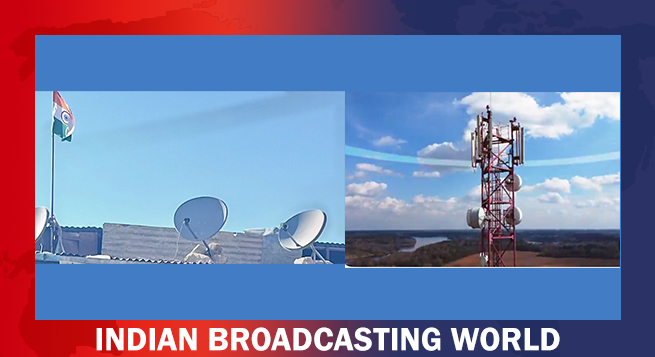 TRAI flags mixed 2025-26 trends: DTH shrinks, telecom base expands
 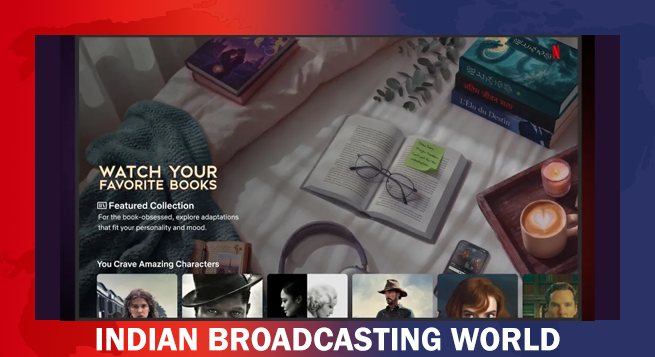 Netflix shows and films bring readers back to books
 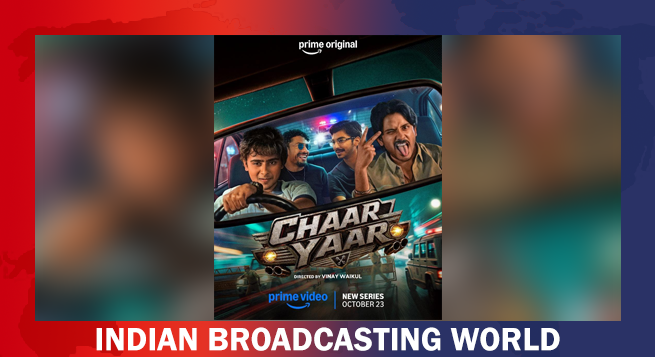 Prime Video to premiere crime drama ‘Chaar Yaar’ on Oct 23
 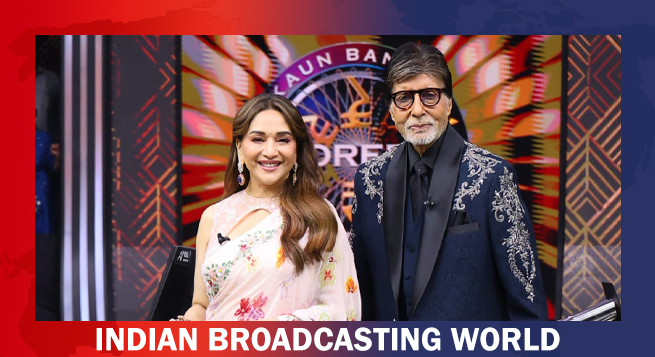 Madhuri Dixit shares late mother’s life lessons on ‘KBC’ 18
 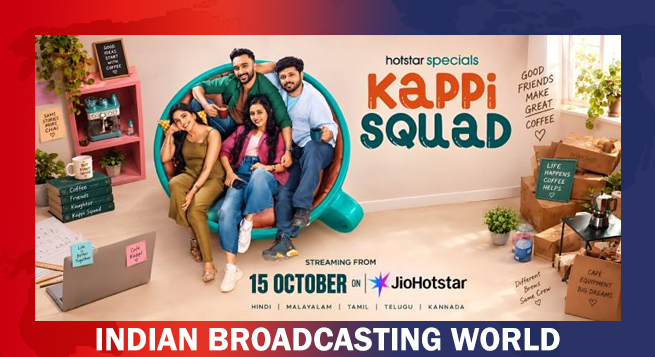 JioHotstar to premiere ‘Kappi Squad’ on Oct 15
 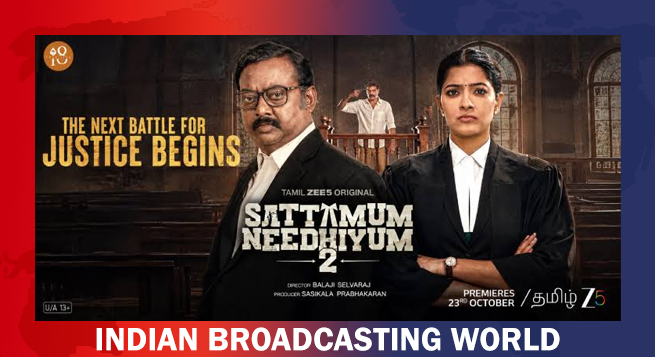 ZEE5 announces second season of ‘Sattamum Needhiyum’



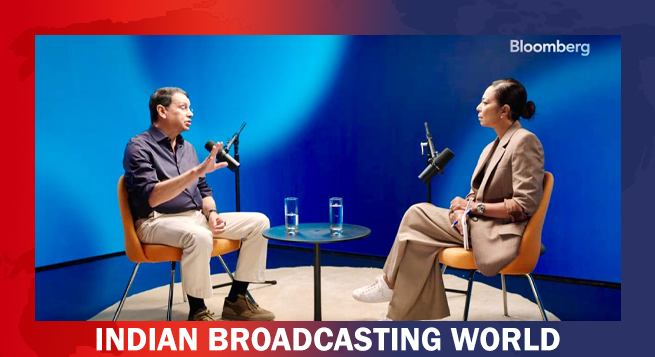
India risks falling further behind in the global soft power race unless it overhauls policies governing media and entertainment, raises investment and shifts its focus from domestic audiences to international markets, JioStar Vice Chairman Uday Shankar said in an interview with Bloomberg’s ‘Emerging’ show published yesterday.
Despite its vast cultural assets and talent pool, India has yet to translate its entertainment industry’s scale into global influence, he said.
Artificial intelligence could widen that gap if India fails to act quickly, Shankar said, warning that countries such as the US and China are already using the technology to strengthen their competitive advantages.
AI could help Indian filmmakers produce world-class content at lower costs, but “it still doesn’t answer for the lack of ambition to win globally,” he said.
India’s media industry needs a policy framework that encourages investment, opens up opportunities for creative and commercial talent, and helps take Indian stories to international audiences, Shankar said.
He cited continued content regulation, film censorship and restrictions on television pricing as constraints on the industry’s commercial potential. Unlike the technology sector, which received policy support, tax incentives and investment opportunities in the 1990s and early 2000s, media has operated in what he described as a “policy of resistance.”
The domestic market’s size has also fostered complacency. Shankar estimated that only 60 million to 80 million Indians can pay for media content at levels comparable with consumers in Western markets, with purchasing power sharply limited beyond that segment.
Content businesses therefore need to target global audiences to unlock their economic potential, he said.
India has already paid “a huge price” for neglecting soft power, even as Prime Minister Narendra Modi has recognised its importance and launched initiatives to promote Indian media internationally.
Bollywood’s limited global reach reflects this inward focus, Shankar said, arguing that much of its content remains rooted in Hindi-speaking audiences and has struggled even to travel across India.
Indian films need globally resonant stories, stronger writing, direction and production values, as well as a more open talent ecosystem, to compete with Hollywood and South Korean content.
Outside India, Bollywood’s reach is “abysmal… non-existent” without the Indian diaspora, he said, adding that even among expatriates, its appeal is concentrated largely among first-generation migrants.
Global streaming platforms have yet to make a sufficiently conscious effort to take Indian creativity to audiences worldwide, Shankar said.
Instead, much of their Indian content appears to be made primarily for domestic consumption, while some productions reinforce stereotypes about crime and poverty.
India also needs to build stronger global brands around cultural exports such as yoga, whose Indian origins are often not widely recognised, he said, citing a lack of institutional support to sustain such initiatives.
Cricket offers a model for building a successful domestic industry, but it too remains short of its global potential, Shankar said.
The Indian Premier League has become one of the world’s most valuable sports tournaments, backed by investment in talent development and a focus on the business of the game. Yet the IPL remains largely a domestic phenomenon, while Indian cricket has not fully established itself as a global brand.
The Board of Control for Cricket in India should focus more on expanding the sport internationally and ensuring a consistent supply of matches, he said.
Shankar said JioStar had taken JioHotstar to the UK, Canada and Singapore a few weeks before the interview and was looking to develop branded assets that could travel beyond the Indian diaspora.
Ultimately, India needs to accept that content made for global audiences may not always align with domestic tastes or expectations, he said.
“We need to start looking at the world as our stage, and we need to start looking less at India as the stage where we want to win,” he asserted.
Asked to assess the country’s progress in building soft power, Shankar said: “I think it’s half empty right now.” (Image is a screen grab of the Bloomberg interview)