 MIB issues advisory for TV channels on news reporting, AI use
  Netflix to expand ads plan to 15 new countries in 2027
 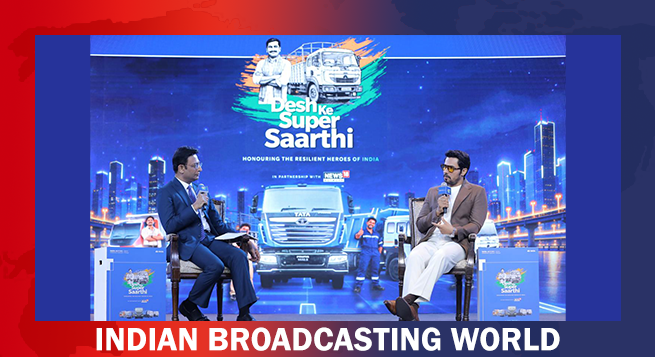 News18, TaMo to mark Oct 23 as ‘National Saarthi Diwas’
  Airtel launches voice-only prepaid plans starting at Rs 185
  Without naming Musk, RIL says it welcomes satcom competition
 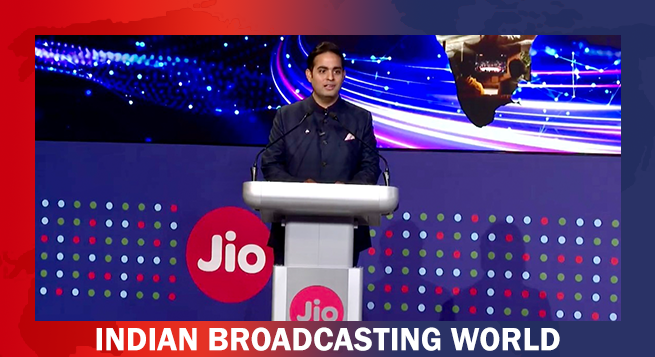 Akash Ambani banks on selling more services to up revenue
  Netflix to stream ‘La Velada del Ano’ live for three years
  Abhijeet Sawant gets emotional about return to ‘Indian Idol’ stage
 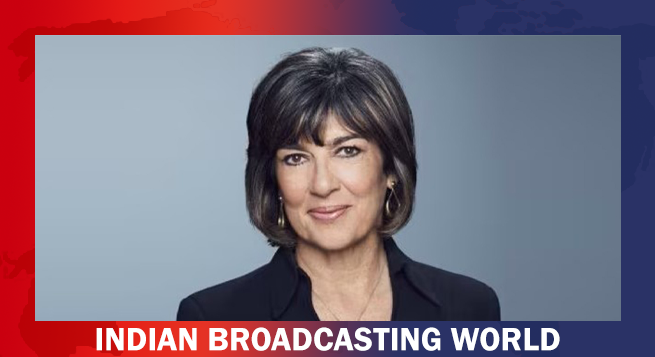 Christiane Amanpour to leave CNN in June 2027 after 43 years
  Ram Gopal Varma’s ‘Police Company’ to release in June 2027



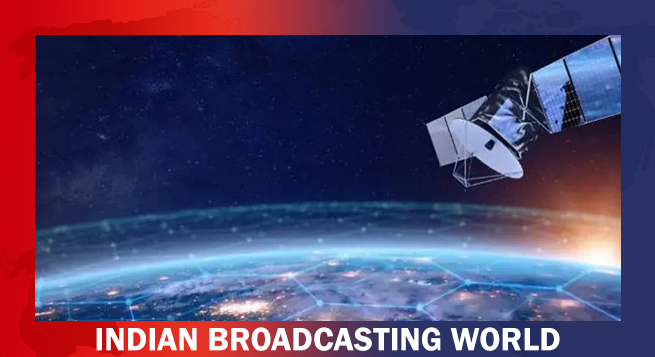
A new era of satellite services, enabled by low-earth-orbit (LEO) constellations, requires a fresh approach to regulation worldwide, according to a position paper released yesterday in Barcelona by the GSMA, the global organisation representing mobile operators.
The paper, ‘Regulatory Preparedness for Satellite Services’, urges global policymakers to take proactive steps to modernise regulatory frameworks and outlines five guiding principles to promote innovation, ensure consistent user protection across technologies, safeguard essential public-interest needs, support investment across communications networks, and build consumer trust, according to a media statement put out yesterday by the GSMA during the Mobile World Congress 2026.
LEO satellite constellations are reshaping how services are delivered and expanding connectivity to underserved communities. However, regulatory approaches to these emerging services (when provided without partnership with mobile operators) remain uneven and, in many markets, underdeveloped.
In many countries, existing frameworks are not designed for these new models, creating uncertainty for all communication providers, investors and consumers, the GSMA paper stated.
The paper argues that now is the right time for policymakers to refine regulations while deployments are still in their early stages. Aligning rules with technological shifts, will enable timely and effective market access and safeguard consumer and societal interests
John Giusti, Chief Regulatory Officer of the GSMA, said in a statement: “As LEO satellite services rapidly advance, they are transforming global connectivity, expanding coverage to underserved communities, strengthening resilience, and enabling new D2D services. A growing number of partnerships between mobile and satellite providers is accelerating innovation and enhancing the overall connectivity experience for users.
“As these capabilities scale, governments are increasingly considering the need for greater regulatory alignment. Establishing comparable requirements for mobile and satellite providers delivering similar services will help ensure consistent consumer protection, support sustainable long-term investment across communications networks, and safeguard national sovereignty — all while delivering greater value, quality, and trust for users.”
The GSMA paper comes at a time when new satellites are being launched, and operators are expanding into new markets and services. As LEO constellations scale rapidly, forward-looking regulatory frameworks will be essential to maximise the potential benefits of these new technologies.
The paper sets out five core principles to guide the development of modern regulatory frameworks, which are the following:
# Transparency and Predictability: Establish clear, consistent, and accessible rules for market entry so that both new satellite entrants and existing mobile operators can make confident, long-term investment decisions together.
# Regulatory Parity: Maintain a level playing field by ensuring that satellite providers face the same legal and regulatory obligations as mobile operators.
# Harmonisation: Align national policies with regional and international standards to reduce regulatory fragmentation, making it easier and more efficient for global satellite constellations to operate across borders.
# Collaboration and Consultation: Maintain an open dialogue between governments, regulators, and the industry to ensure that new policies are evidence-based, inclusive of all stakeholders and reflect current market realities.
# Balance Innovation with Regulation: Support technological growth while ensuring satellite operators comply with vital national interests, such as consumer protection, data privacy and national security safeguards.
The GSMA is a global organisation unifying the mobile ecosystem to discover, develop and deliver innovation foundational to positive business environments and societal change. It represents mobile operators and organisations across the mobile ecosystem and adjacent industries