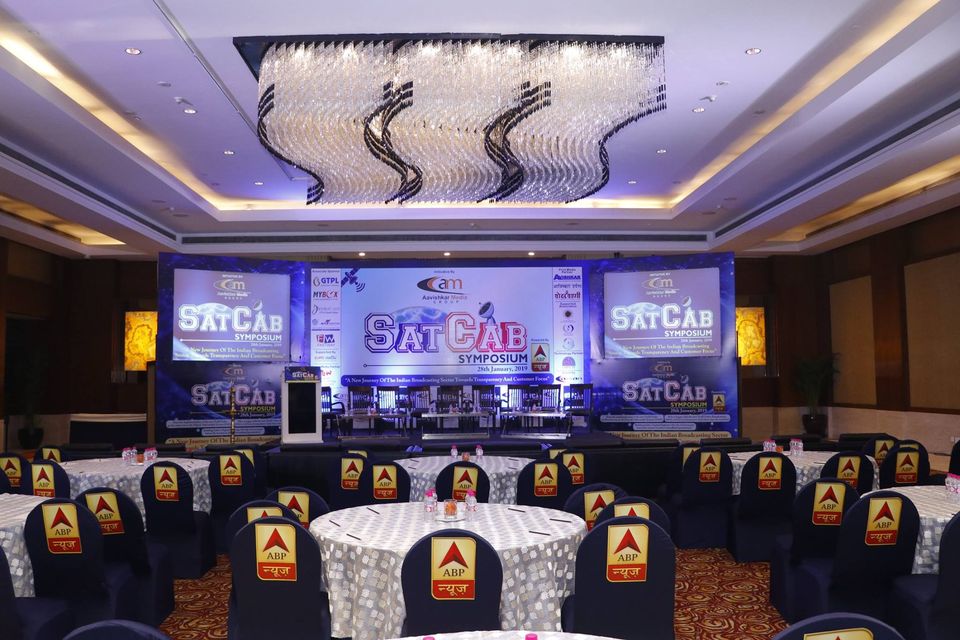
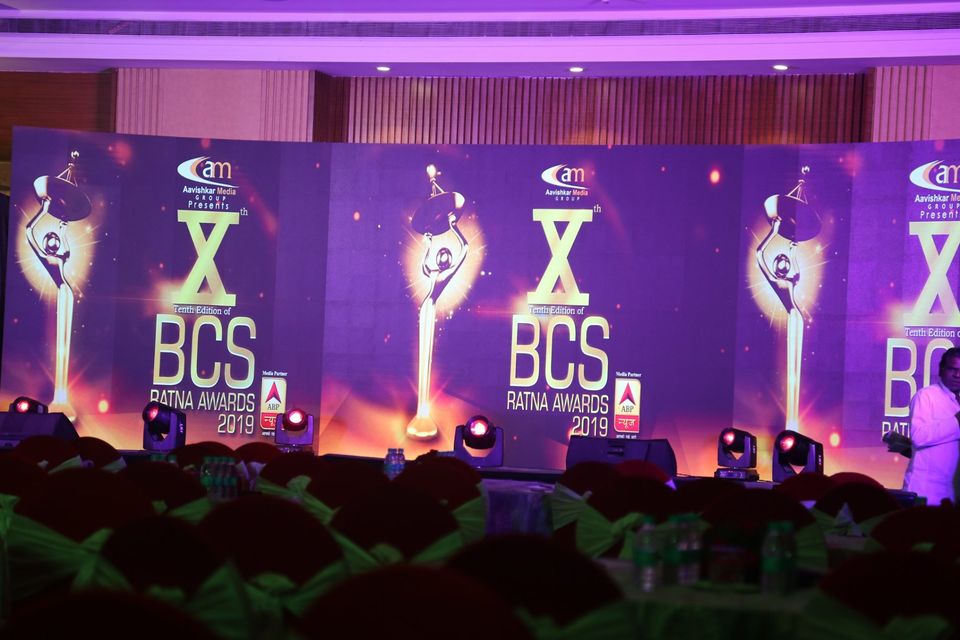
 Sudhir Chaudhary wins two big Honours at XIIᵗʰ BCS Ratna Award 2026
  12th BCS Ratna Award: JioStar’s Aravamudhan is Lifetime Achievement honouree
  XIIth BCS Ratna Award : JioStar CEO Entertainment Kevin Vaz honoured
  XIIth BCS Ratna Award 2026: Media achievers honoured
  12th BCS Ratna Award a roaring success; honours excellence in M&E
  Twelfth BCS Ratna Award boasts stellar lineup; to be held on Aug 5
  Sony AATH to launch ‘Raandhuni Na Kaandhuni’ show
  Pankaj Kalra joins Zee Music Company as director, marketing
  ‘The Great Indian Kapil Show’ S5 to return on Netflix
  Magnus Carlsen speaks to Firstpost
  ‘Slow Horses’ renewed for S8 on Apple TV



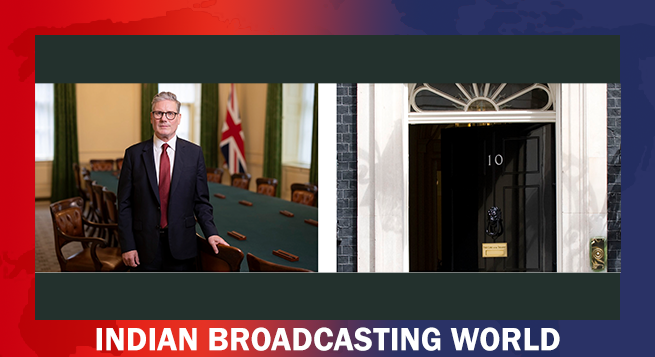
British Prime Minister Keir Starmer said yesterday he would ban social media sites for under-16s and impose restrictions on gaming and live-streaming platforms, in a fightback against big tech that goes further than any other country. The sweeping changes will “give kids their childhood back”, Starmer told reporters, outlining measures against Snapchat, TikTok, Instagram and other platforms, as well as gaming sites that allow strangers to contact children.
“It is clear to me a full ban is the right choice,” he said, according to a Reuters report yesterday. “It will make a huge difference, it will make our children safer, it will make our children happier, it will give them more time, more security, more freedom to grow up, more opportunity,” he added.
However some experts doubted whether a blanket ban would be effective, and Starmer acknowledged it would be difficult to fully enforce such restrictions.
Britain will go further than Australia — the first country to ban social media for children — with controls on gaming platforms and the possibility of overnight curfews and curbs on infinite scrolling for under-18s.
YouTube, Facebook and X will be covered, the (UK) government said, but messaging services such as WhatsApp and Signal will not be.
“World-leading blocks” on live streaming and strangers contacting children would also be imposed, Starmer said. “Is there a situation in the offline world where you would just let your child pair up with a stranger, an adult that you don’t know anything about?” he added.
While parents and politicians back a ban, some psychologists and researchers have said there is no proof that it would work, and a group of school children in London told Reuters they had a conflicted relationship with the technology.
Social media companies have already put in place child safety measures, such as changing algorithms, in response to tightening regulations, including by Britain.
They said yesterday that a blanket ban risked pushing young people onto riskier platforms that did not offer the protections they had introduced.
YouTube said it had invested in “expert-led, age-appropriate experiences and default protections for teens for over a decade”. “YouTube is a vital resource for young people, educators and parents,” a spokesperson said.
Snapchat said an outright ban would disconnect teens from private messaging between friends and family that accounted for the majority of time spent on its service, adding that the scope of the ban should be reviewed.
Meta, owner of Facebook and Instagram, said the experience in Australia suggested that bans risked isolating teens from online communities, driving them to unregulated alternatives that lacked protections and parental controls.
A ban could be in place next spring, Starmer said, underpinned by existing powers and new regulations due by the end of the year.
Britain has increasingly strengthened its approach to tech firms, urging or forcing them to adapt their algorithms and, most recently, prevent children from circulating nude images taken on mobile phones.
The ban will likely require age checks to be expanded to all users, something regulator Ofcom has already introduced for porn sites. Ofcom said it was ready to work on that. Some experts sounded a sceptical note about the proposals.