 KRAFTON, DPIIT sign pact to promote digital entertainment, esports
  Distribution paradigms shifting, but audience remains ‘king’ Prasar Bharati CEO
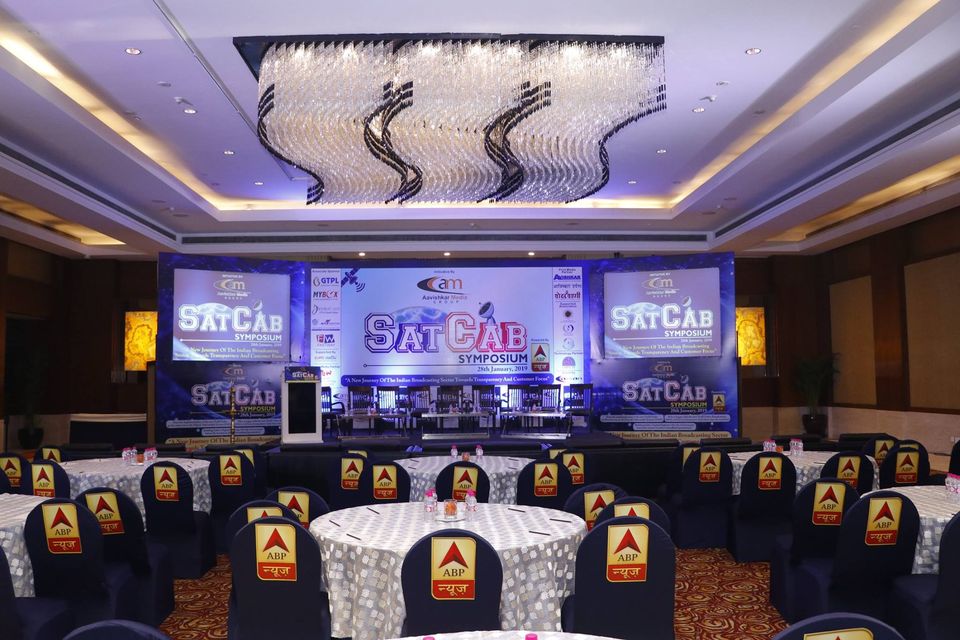
  SATCAB ’26 opens with lively discussion on rules, news, multi-screen measurement
  SATCAB 2026 to spotlight future of broadcasting, OTT, digital media
  Sanjay Dutt’s ‘Aakhri Sawal’ to hit theatres on May 15
  PVRINOX to release ‘Tuner’ in India on May 29
  CNBC-AWAAZ’s Udaan emerges as nationwide youth movement, S2 on the Horizon
  Amazon MX Player launches ‘Famously Fit’ with brand partnerships
  Business Today MindRush 2026 to spotlight India’s edge in a changing world




British communications regulator Ofcom yesterday launched a consultation on a request from the BBC to make two changes to its operating licence, which would reduce its news and current affairs quotas on BBC Radio Foyle and BBC Asian Network.
The BBC announced a savings and reinvestment plan for its services in Northern Ireland in 2022. This included replacing the two-hour breakfast programme on BBC Radio Foyle with a new, shorter show. It initially implemented the BBC Radio Foyle changes in May 2023 and subsequently increased the breakfast show to one hour in January 2024.
Due to an internal error in calculating its news and current affairs output for BBC Radio Foyle, the BBC did not believe it needed to request a change to its operating licence at the time.
To reflect the BBC’s previous announcements about changes to BBC Radio Foyle, and its current output levels, the BBC is requesting that its news and current affairs quota for BBC Radio Foyle be reduced from at least 1,043 hours to at least 710 hours in each financial year.
Ofcom added that, separately, the BBC has announced several proposed changes to BBC Asian Network, designed to refocus the station to better serve younger listeners. It wants to invest in more distinctive programming, including new music from UK-based British Asian artists in key slots and high-impact speech content.
It therefore plans to decommission the Ankur Desai show (broadcast Monday to Thursday from 3pm-6pm) and its associated programmes, replacing them with a newly commissioned news and current affairs programme on Monday evenings. It would also increase the number of ‘Newsbeat’ bulletins and broadcast some standalone current affairs programming.
As a result, the BBC has requested that the news and current affairs quota for the BBC Asian Network be reduced from at least 1,224 hours to at least 675 hours in each financial year.
In both cases, the BBC has explained that the changes are driven by seeking to better serve audience needs and investing more in online and digital services at a time of significant financial constraints.
Audiences of all ages, and particularly those under 35, are continuing to migrate online. Against this backdrop, it is important that the BBC is able to deliver news and current affairs output where audiences are most likely to find it and in ways that resonate with them.
“Our view is that the amended quotas would be appropriate for requiring the BBC to fulfil its Mission and promote its Public Purposes, and the changes have the potential to meet changing audience needs. We therefore propose to approve the BBC’s requests.
“We would expect the BBC to monitor the impact of any changes on audience engagement, and we would continue to assess how the BBC delivers for audiences across all its services,” the regulator explained, adding that it would still welcome views on the proposals by June 26.