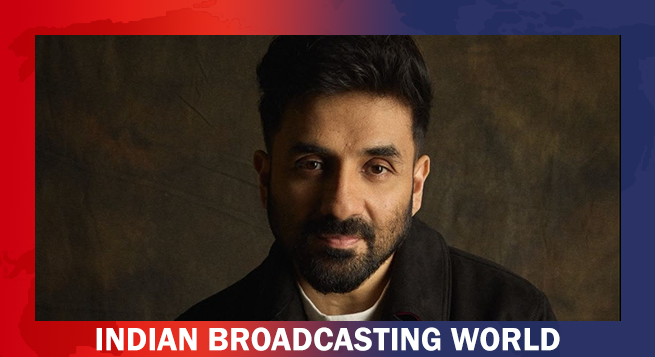
 Vir Das to perform in New York on Jan 30, 2027
 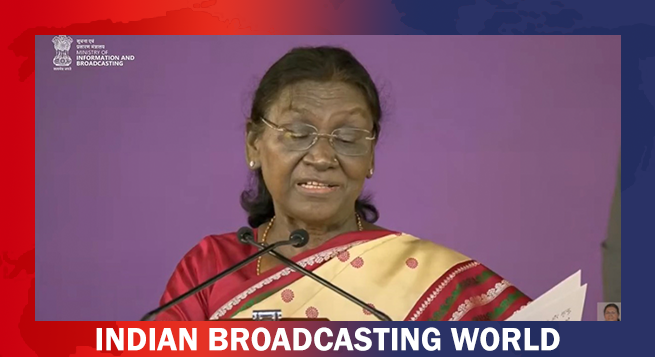 President Murmu exhorts celebs to not endorse ‘harmful products’
  Satellite company SES, JioStar sign multi-year distribution deal
  Govt. clarifies CBFC certification changes, says 1991 core framework unchanged
 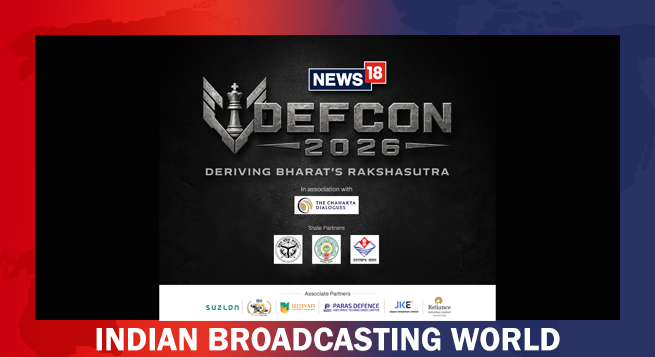 News18 hosts DEFCON Summit 2026 in New Delhi today
  Tom Cruise stars in Alejandro G. Iñárritu’s ‘Digger’, releasing October 2
  Sony LIV’s ‘Real Kashmir Football Club’ nominated for International Emmy Award
 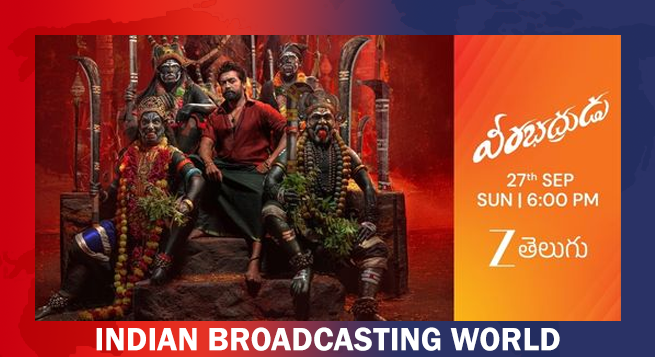 Zee Telugu to premiere ‘Veerabhadrudu’ on Sept. 27
  Amitabh reveals secret behind low-key wedding with Jaya on ‘KBC 18



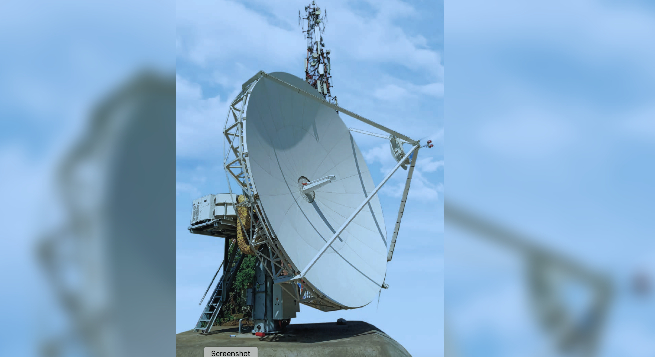
It could be treated as a Diwali gift for India’s broadcast sector, which is expected to grow anywhere between 5-8 annually as per various studies eve as TV ad and subscription revenues are pegged to reach Rs. 344 billion and Rs. 415 billion in 2022, respectively, according to an EY-Ficci report released earlier in the year.
The Indian government has decided to remove all charges payable to the Network Operations Control Centre (NOCC), housed in the Department of Telecommunication, which used to be coughed up by service providers in the broadcast sectors.
Pointing out that the relevant NOCC charges for the telecom service licensees using space segment were removed earlier, a DoT advisory said Wednesday, “In this context, it has now been decided…to remove
the NOCC charges for using space segment for all the other service providers also, including TV/Broadcasting operators.”
The policy change, which comes into effect from October 1, 2022, will benefit teleport, DTH and HITS (headend in the sky) operators. It is part of the satcom policy reforms announced by Communications and IT Minister Ashwini Vaishnaw on Wednesday.
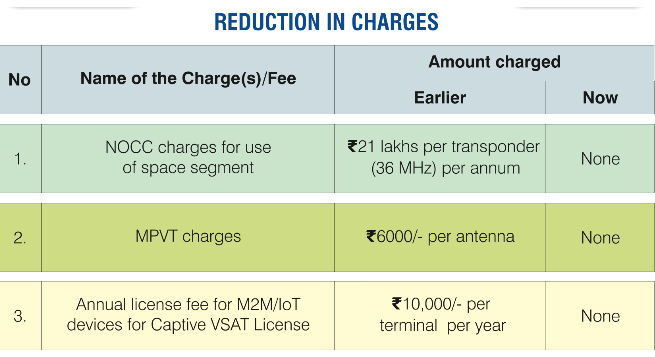
NOCC used to charge Rs. 21 lakh (Rs. 21,00,000) per transponder (36 Mhz) annually for use of space segment by licencees.
Further, the mandatory performance verification testing or MPVT charge of Rs. 6,000 per antennae too has been waived off, while the annual Rs. 10,000 licencee fee per terminal payable for M2M/IOT devces for captive VSAT licensees have also been exempted.
Hailing the Communications Ministry decision on waiver of NOCC charges for the broadcast sector service providers, a senior official of Ministry of Information and broadcasting said on a social media platform, “Another good news for the broadcasting services sector. Ministry of I & B has been coordinating with DoT and TRAI for some time. Hope the savings will help improve and expand services.”
Dwelling on the slew of policy reforms relating to satcom regulations, a government document highlighted that many far-flung and sparsely populated areas may not have terrestrial coverage and satellites can help bridge this gap providing connectivity to such remote areas.