 Ficci FRAMES session discusses what makes reality TV tick
  Shekhawat: India must shift from content consumer to global creator
 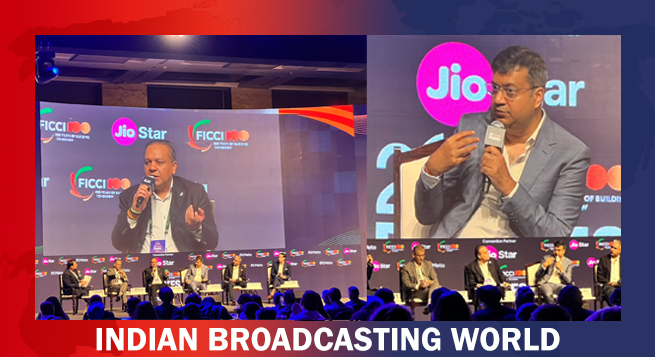 Puneet Goenka, Gaurav Banerjee, Rahul Kanwal share views on TV ratings
 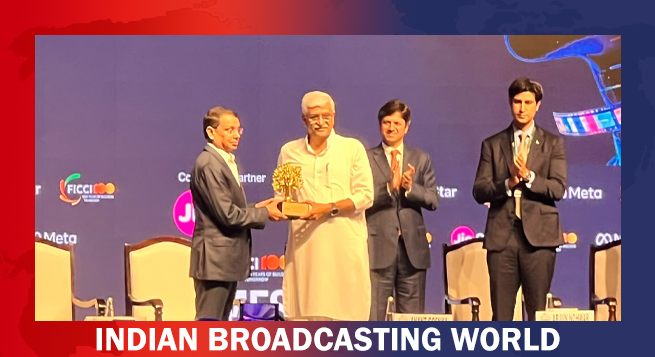 Uday Shankar urges Indian M&E sector to help nation’s global narrative
 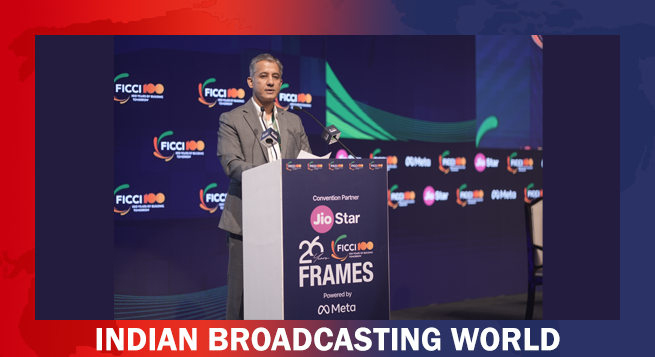 At FICCI FRAMES ‘26, Vaz bats for more innovation, regulatory flexibility
  India b’band base at 1.1bn in August, telecom subs cross 1.36bn
  From Netflix’s Sarandos to Ben Affleck: highlights of Bloomberg event
  ‘Neagley’ S2 okayed after S1 nets 40mn viewers at Prime Video
  Paramount, WBD merged entity to be christened Skydance
  Mehta shares ‘Gandhi’ BTS images on Mahatma’s birth anniversary
  Peacock greenlights ‘Fast & Furious’ series; debut in 2028



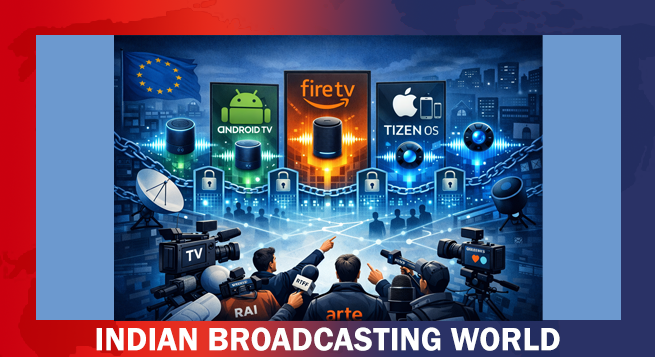
Google , Amazon, Apple and Samsung’s smart TVs and virtual assistants should fall under the European Union (EU)’s toughest tech rules because of their growing market power, the world’s largest broadcasters told yesterday EU antitrust chief Teresa Ribera.
The call by the Association of Commercial Television and Video on Demand Services in Europe (ACT) whose members include Canal+, RTL, Mediaset, ITV, Paramount+, NBCUniversal, Walt Disney, Warner Bros Discovery, Sky and TF1 Groupe underscores the battle between broadcasters and Big Tech for market share in a lucrative industry, a Reuters report yesterday from Brussels stated.
Android TV, which increased its market share from 16 percent to 23 percent from 2019 to 2024, Amazon Fire OS whose market share rose from 5 percent to 12 percent in the same period and Samsung’s Tizen OS with its 24 percent market share should be designated as gatekeepers under the EU’s Digital Markets Act, the broadcasters said, citing data from a 2025 market study.
The DMA, applicable since 2023, sets out obligations aimed at curbing the power of major tech companies, boosting competition and expanding consumer choice.
“A limited number of operators are therefore gaining growing ability to shape outcomes for millions of users and businesses by controlling access to audiences and content distribution,” ACT said in a letter to Ribera seen by Reuters, the first public broadside from broadcasters against Big Tech.
“It is crucial that the Commission designate major TV operating systems as gatekeepers and ensure adequate oversight to guarantee fairness and contestability,” the broadcasters said.
The lobbying group said their Big Tech rivals may have incentives to retain end-users within their own ecosystem and to contractually or technically restrict linking or redirection, for example from one media application to another media application.
The Commission, which acts as the EU competition enforcer, confirmed receipt of the letter and said it was assessing its contents. Google, Amazon, Apple and Samsung did not immediately respond to emailed requests for comment.
The broadcasters also voiced concerns about virtual assistants, the most well-known of which are Amazon’s Alexa and Apple’s Siri, while OpenAI entered the field last year with a beta feature called Tasks for its AI chatbot ChatGPT.
The European Commission has yet to label any virtual assistants as gatekeepers under the DMA.
“The lack of designation of virtual assistants creates a regulatory void, allowing powerful AI assistants to become de facto gatekeepers for media content through mobile phones, smart speakers and in-car radio infotainment services, without being subject to DMA obligations,” the broadcasters said.
They urged Ribera to subject smart TVs and virtual assistants to the DMA on the basis of qualitative criteria even if they do not meet the quantitative benchmarks which are more than 45 million monthly active users and 75 billion euros ($87 billion) in market capitalisation.
Signatories to the letter include the Association of European Radios (AER), the European Broadcasting Union (EBU), the European association of television and radio sales houses (egta), Confindustria Radio Televisioni (CRTV), Televisión Comercial en Abierto (UTECA) and Verband Österreichischer Privatsender (VOP).
(The image is AI generated and for representational purpose only)