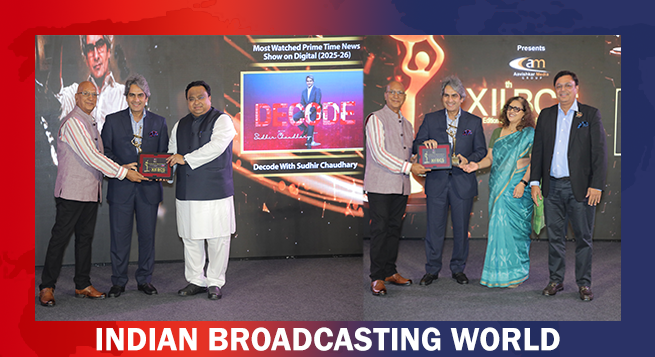
 Sudhir Chaudhary wins two big Honours at XIIᵗʰ BCS Ratna Award 2026
 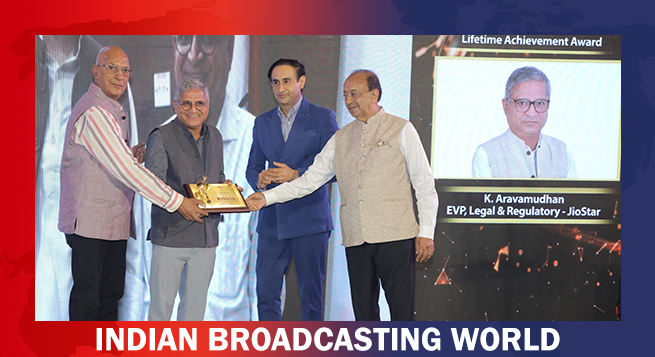 12th BCS Ratna Award: JioStar’s Aravamudhan is Lifetime Achievement honouree
 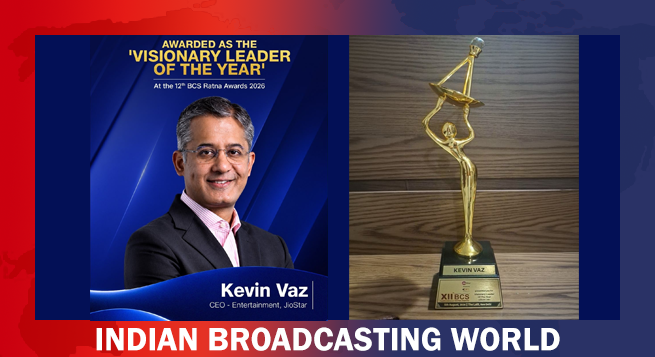 XIIth BCS Ratna Award : JioStar CEO Entertainment Kevin Vaz honoured
 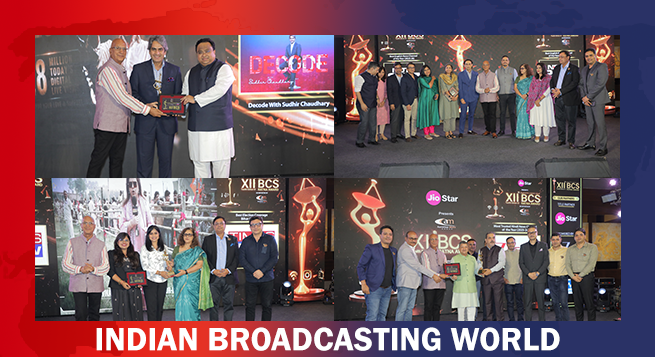 XIIth BCS Ratna Award 2026: Media achievers honoured
 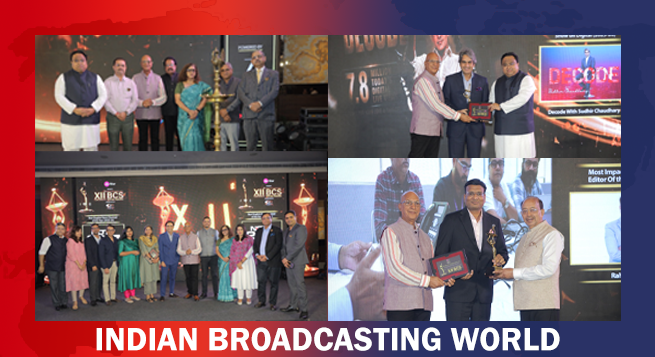 12th BCS Ratna Award a roaring success; honours excellence in M&E
  Twelfth BCS Ratna Award boasts stellar lineup; to be held on Aug 5
 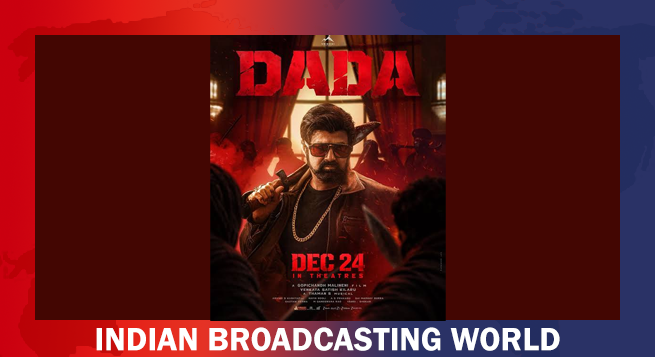 Nandamuri Balakrishna’s ‘Dada’ to release Dec. 24
 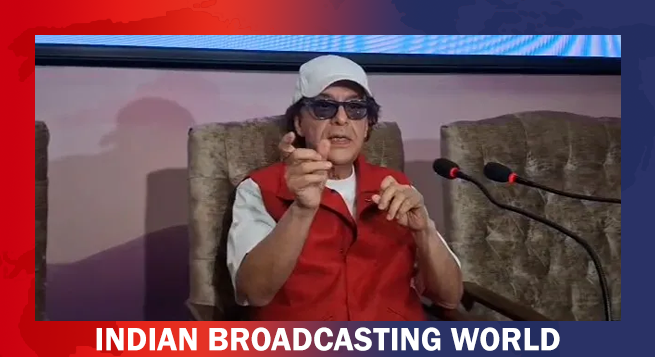 Vidhu Vinod Chopra hopes J&K film fest opens opportunities
  Shivangi Joshi’s romantic medical series ‘Heartbeats 2’ trailer out
 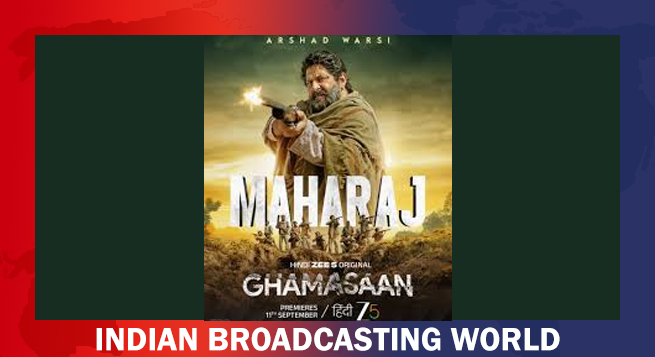 Crime drama ‘Ghamasaan’ to premiere on ZEE5 Sept. 11
  Gemini Spark gets google photos access


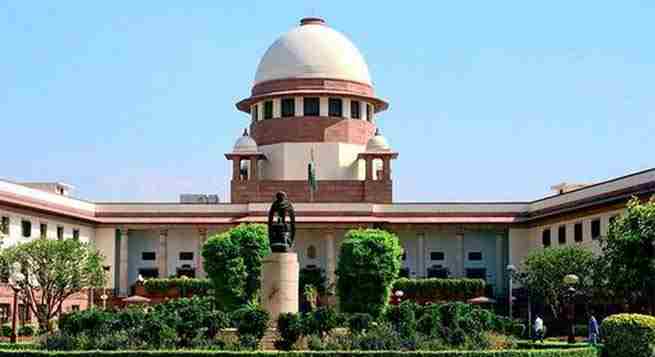
After a couple of postponements, the case pertaining to broadcasters’ challenge of sector regulator TRAI’s tariff regulations, was taken up briefly at the Supreme Court on October 1 and, after some directions, was posted for a hearing on November 30. According to information available with the Indianbroadcastingworld.com, when the matter was taken up yesterday for hearing, advocate Mukul Rohatgi, appearing on behalf of Indian Broadcasting and Digital Foundation (IBDF), advanced brief arguments based on the rejoinder filed previously by the TV channels’ body in their petition.
Due to paucity of time, the court posted the matter for final hearing on November 30, while directing the counsels for petitioners and respondents to file written submissions before November 12, 2021.
Respondent Telecom Regulatory Authority of India (TRAI) and one of the petitioners, IBDF, had earlier filed exhaustive counter-reply and rejoinder, respectively.
IBDF, an industry lobbying body for TV channels in India, along with few other petitioners, including individual TV companies, had challenged in the Supreme Court a Bombay High Court order, which upheld regulator TRAI’s powers to make economic regulations, while granting some concession to the TV channels in a case that’s popularly known as New Tariff Order 2.0 (NTO 2.0) case.
In its filing before the apex court, TRAI, while outlining its various reasons for the tariff guidelines, has stated: “The Bouquets prescribed by broadcasters do not give consumers/households/members of the family a choice of varied content at an affordable price. They are created only with a view to increase broadcaster advertising revenue.”
At another place, TRAI has pointed out: “In many cases, the bouquet price artificially has reached such perversity that the bouquet price is cheaper than the Popular/Driver Channel in it. This is an abuse which TRAI as a Regulator cannot ignore…Finally, to make a virtue of a vice, Broadcasters then cite bouquet subscription as evidence of consumer preference/desire.”
The broadcasters’ and other petitioners’ position — apart from other legalities — is that the Mumbai court has “incorrectly” sought to read into Article 19(2), an additional requirement of public interest, when it comes to interpret a broadcaster’s right to freedom of speech and expression under Article 19(1)(a) of the Constitution of India.