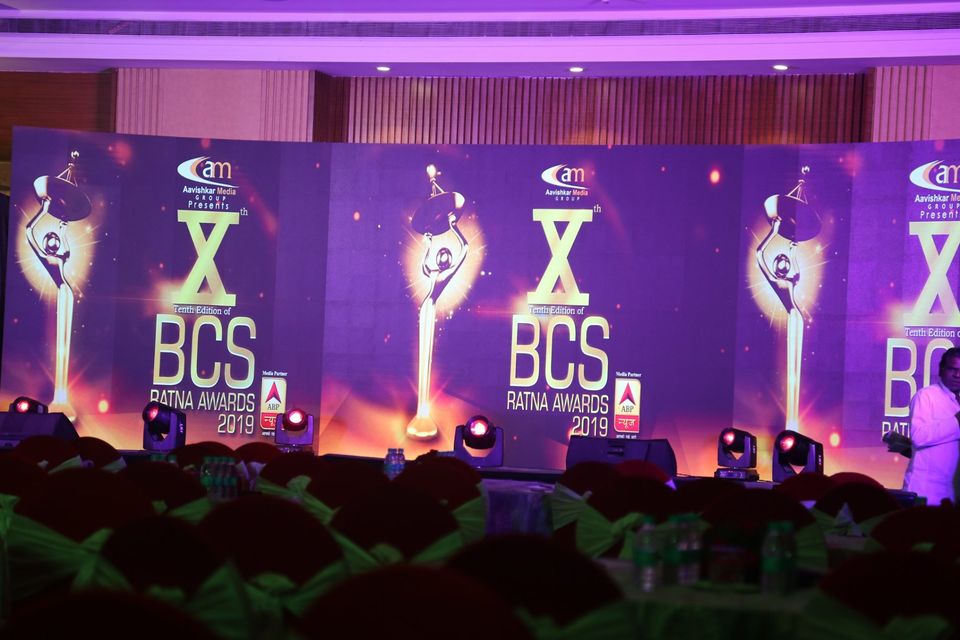
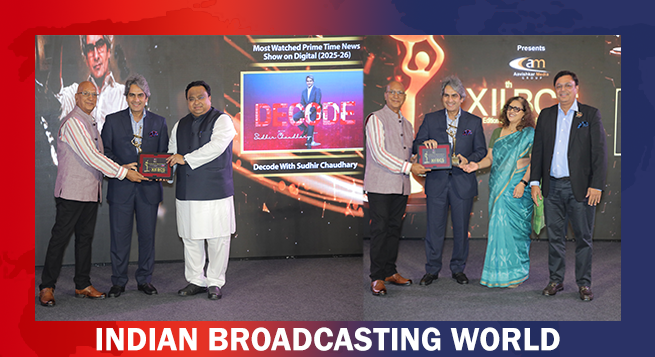
 Sudhir Chaudhary wins two big Honours at XIIᵗʰ BCS Ratna Award 2026
 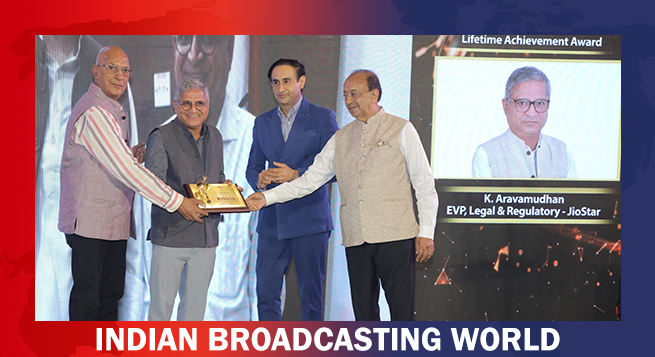 12th BCS Ratna Award: JioStar’s Aravamudhan is Lifetime Achievement honouree
  XIIth BCS Ratna Award : JioStar CEO Entertainment Kevin Vaz honoured
 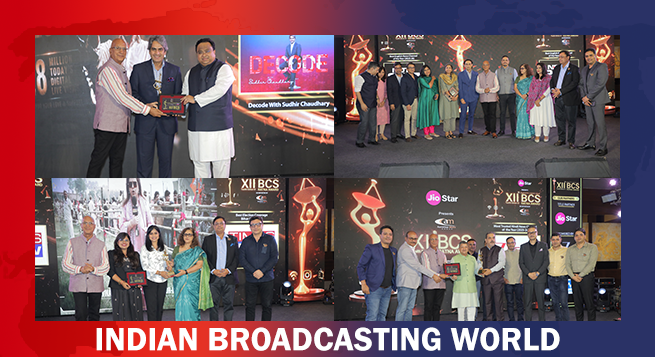 XIIth BCS Ratna Award 2026: Media achievers honoured
 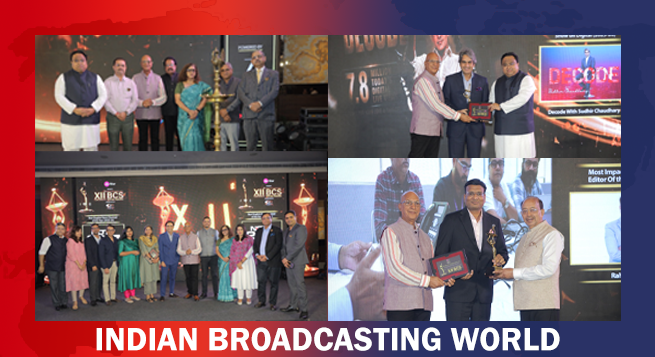 12th BCS Ratna Award a roaring success; honours excellence in M&E
  Twelfth BCS Ratna Award boasts stellar lineup; to be held on Aug 5
  Javier Bardem joins HBO’s ‘The Spread’
  ‘Family Full House’ to premiere today with Rohit Sharma
  JioStar’s ‘India Ke Top 1%’ gets seven sponsors
  ‘Golmaal 5’ release date announced
  Apple TV hosts premiere of ‘Brothers’ in LA



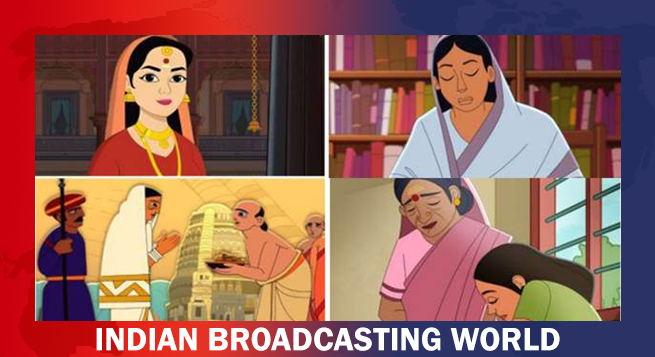
The 19th Mumbai International Film Festival (MIFF 2026) hosted the world premiere of ‘Bharati Aur Bibo’, a Hindi animation series produced by NFDC and Puppetica Media and directed by Sneha Ravishankar. The series pays tribute to four iconic Indian women and presents their stories in an edutainment format aimed at making history accessible and engaging for young audiences.
Introducing the project, Ravishankar yesterday in Mumbai described it as “a huge milestone” and highlighted NFDC’s collaboration on the series, a statement put out by the Ministry of Information and Broadcasting stated yesterday.
The series follows young Bharati and her magical companion Bibo, whose name represents the female version of Bharat. Each episode begins with a chorus celebrating women in diverse roles, including drivers, caregivers, Kathak dancers, farmers, gymnasts and artists, carrying the refrain: ‘Nari mein Devi mein, mujhse hai sabkuch, mujhme hai sabkuch’ (In a woman exists a goddess; everything originates from me, everything resides within me).
One episode focuses on Ahilyabai Holkar, tracing the Maratha queen’s journey from the royal household of Indore to becoming a symbol of administrative wisdom and diplomacy. The narrative also highlights the role of her mother-in-law in shaping her leadership qualities.
Another episode chronicles Rani Durgavati’s reign in Gondwana and her resistance to the Mughal Empire under Akbar. The story recalls how she was dismissed with the remark, “Wo to mehaj ek aurat hai” (she’s merely a woman) before her determination compelled recognition of her strength.
The episode concludes with her choosing death over surrender, while also using the colour pink as a symbol of courage rather than fragility.
The series also profiles Rani Rashmoni, the Kolkata social reformer who challenged the East India Company, built public welfare infrastructure and supported reforms alongside Ishwar Chandra Vidyasagar, including efforts that led to a law banning polygamy.
The narrative additionally addresses religious patriarchy through resistance to worship at the Dakshineshwar temple because it had been built by a woman.
A fourth episode is dedicated to Saalumarada Thimmakka, the Karnataka environmentalist who, despite being denied formal education and married at a young age, planted and nurtured hundreds of trees. Her contribution was later recognised with the Padma Shri.
Across all episodes, ‘Bharati Aur Bibo’ incorporates themes such as widowhood, marriage and the emotional burdens faced by women, while maintaining what the release describes as a gender-balanced and feminist perspective.
The series opens with a disclaimer stating that the stories are presented in their unedited form as a tribute to “these great women of Bharat”. The makers say the production aims to ensure that the legacies of these women continue to be remembered and passed on to younger generations.