 JioStar Q2 revenue up 10.1% to Rs 6,806cr. despite weak ad environ
 Google brings AI Mode ads to India, 9 other markets
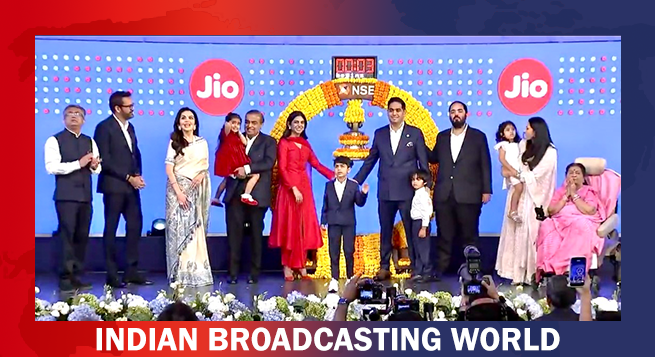 Of Jio listing, tears, party…and RIL’s combined $320bn market cap
 Guest Column: TRAI’s ALTD reccos a turning point for b’cast sector
 Indian publishers, including those owned by Ambani & Adani, challenge privacy laws
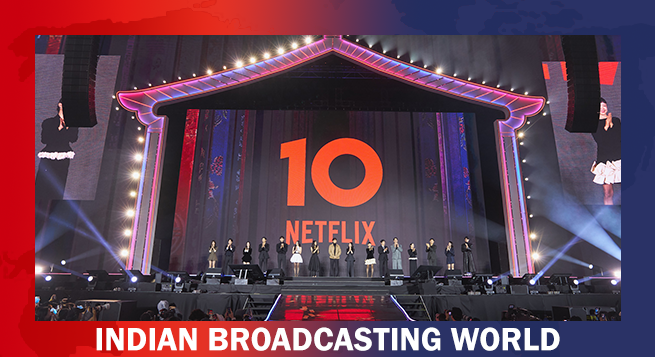 Netflix’s marks Korean decade as K-content rules non-English viewing
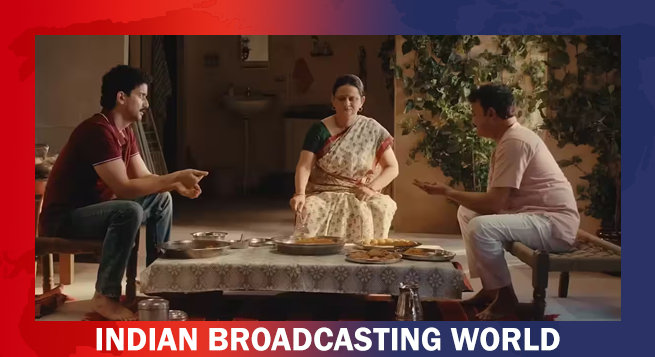 Spotify teams up with ‘Gullak’ cast for Diwali campaign
 Zee Telugu announces festive weekend line-up with Kutumbam Awards 2026
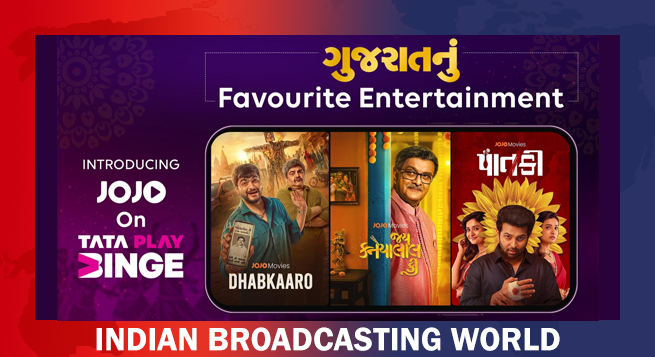 Tata Play Binge adds Gujarati OTT platform JOJO to regional streaming lineup
 Gaurav Khanna, Shraddha Arya’s new show titled ‘Dil Ki Bewafaiyaan’
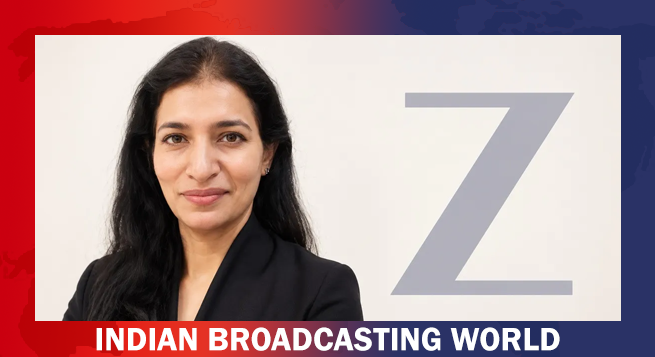 Zee Entertainment appoints Sangeeta Shetty as CCO, company secretary




Even as the draft Indian Telecommunications Bill 2022 is being discussed in public and would be reviewed by the government after collating the feedbacks, regulator TRAI issued on Monday a consultation paper on ‘Regulating Converged Digital Technologies and Services – Enabling Convergence of Carriage of Broadcasting and Telecommunication Services’.
“Technological convergence not only enables possibility of delivering a broader set of products, but also benefits through lower entrance barriers, promotion of competition, lower cost equipment, quicker market response, and new business opportunities. But at the same time, it has posed several challenges as well. The paper examines the challenges posed by
converging technologies and seeks views of the stakeholders on changes required, if any, in legal, administrative, and licensing framework to deal with them,” broadcast and telecom regulator Telecom Regulatory Authority of India (TRAI) said.
The matter was referred to TRAI for recommendations by the Department of Telecoms.
The consultation paper is available on the TRAI website. The last date for submission of comments is February 27 and counter comments is March 13.
TRAI added that over a period of time, various technological developments in digital markets have resulted in the convergence of devices, services, and networks. Efficient utilization of resources, increased level of competition, more innovative user applications and technological developments are the main drivers of convergence.
The issues for consultation include the following:
# Whether the present laws are adequate to deal with convergence of carriage of broadcasting and telecommunication services.
# Whether the existing laws need to be amended to bring in synergies amongst different regulations made by an Act of Parliament to deal with convergence of services.
# Whether there is a need for having a comprehensive/converged legal framework (separate Comprehensive Code) to deal with convergence of carriage of broadcasting services and telecommunication services.
# Whether the present regime of separate licenses and distinct administrative establishments and different ministries for processing and taking decisions on licensing issues are able to adequately handle convergence.
# How can synergies be brought amongst various institutional establishments dealing with standardization, testing and certification.
# What steps are required to be taken for establishing a unified policy framework and spectrum management regime for the carriage of broadcasting services and telecommunication services?
# Beyond restructuring of legal, licensing, and regulatory frameworks of carriage of broadcasting and telecommunication services, whether other issues also need to be addressed for reaping the benefits of convergence holistically