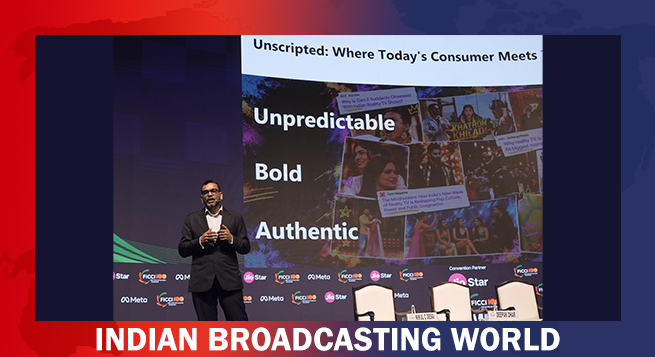
 Ficci FRAMES session discusses what makes reality TV tick
 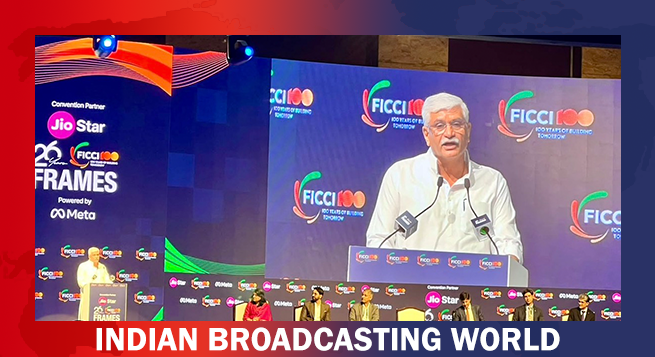 Shekhawat: India must shift from content consumer to global creator
 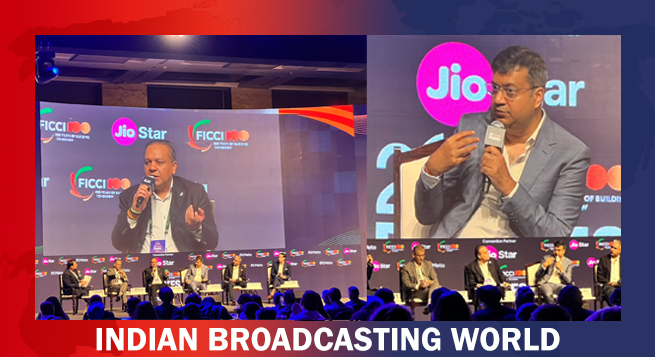 Puneet Goenka, Gaurav Banerjee, Rahul Kanwal share views on TV ratings
 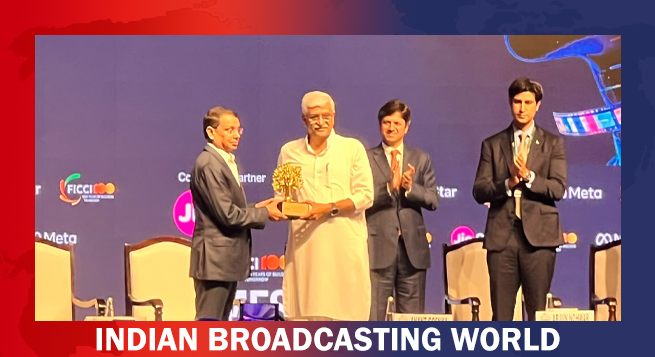 Uday Shankar urges Indian M&E sector to help nation’s global narrative
  At FICCI FRAMES ‘26, Vaz bats for more innovation, regulatory flexibility
  India b’band base at 1.1bn in August, telecom subs cross 1.36bn
  Paramount-Warner Bros. merger to become Skydance
  Netflix sees YouTube as a TV rival, rules out UGC push
  India-Pakistan set for Asian Games cricket final
  Gautam Gulati wins the first Rise on ‘Rise and Fall’ 2
  From Netflix’s Sarandos to Ben Affleck: highlights of Bloomberg event



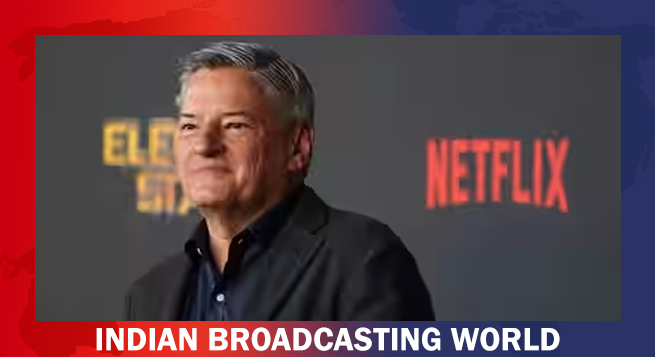
Netflix co-CEO Ted Sarandos has described YouTube as a direct competitor for television viewing, while making it clear that the streaming platform does not plan to enter the broader user-generated content (UGC) business.
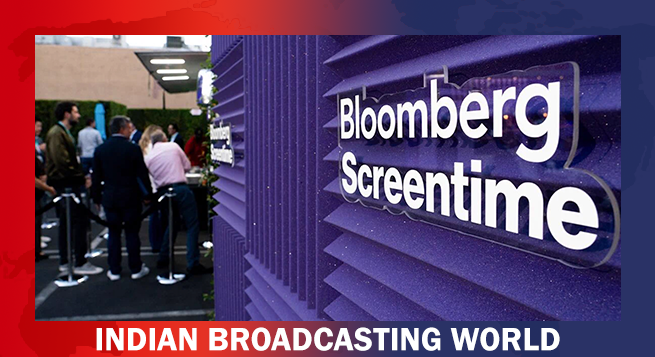
Speaking at Bloomberg’s 2026 Screentime event, Sarandos said Netflix and YouTube compete for viewers, advertising and subscription revenue, as well as creators and projects. However, he drew a distinction between working with established digital creators and building a large-scale platform for user-generated content.
According to a Storyboard18 report, Sarandos said Netflix is “definitely… not in the UGC [user-generated content] business”. He added that the company could work with creators who are already producing programming close to professional standards, particularly when Netflix can provide them with another way to monetise their work. The company, however, does not intend to bring the broader creator community onto its platform.
Sarandos said Netflix has considered YouTube a potential competitor for around a decade, with the competitive overlap becoming increasingly visible as viewers spend more time watching YouTube on television screens.
“You can go back to our quarterly earnings calls 10 years ago, and we identified YouTube as a potential competitor, and we’ve talked about them in nearly every quarter since. We definitely saw where this was going,” Sarandos told Variety.
He also argued that YouTube’s growing presence on television makes it difficult to separate the platform from the wider TV ecosystem.
“So when I look at these things I think it’s a fantasy to say, ‘Here’s the world of television, and it doesn’t include the thing that people spend the most time doing, which is watching YouTube on TV,’” Sarandos said.
Sarandos also acknowledged that Netflix’s engagement growth has moderated. Viewership increased 2 percent during the first half of 2026, a pace he said was slower than he wanted.
“Overall, we’re not growing as fast as I want us to, and we’re working on making that move faster,” he said.
Live programming is one area Netflix is using to drive engagement. Sarandos said live content, including NFL games, accounts for around 5 percent of the company’s annual $20 billion content investment, while generating roughly 1 percent of viewership.
Despite the relatively small share of viewing, he said live programming can help drive new sign-ups, reduce subscriber churn and attract advertisers. Sarandos also maintained that Netflix’s wider business remains strong, saying, “The business is great and growing fine.”
Sarandos also ruled out a fully free, ad-supported version of Netflix. He said a FAST, or free ad-supported television, offering would not make sense if it came at the expense of the value of the company’s existing product.
“No version of FAST would be worth ‘cannibalising the core product,’” he said.
Sarandos’ comments underline Netflix’s approach of continuing to focus on professionally produced entertainment while competing for viewers’ television time with platforms such as YouTube, rather than attempting to replicate YouTube’s vast creator-driven ecosystem.