 India, Korea account for bulk of Asia video content spend: MPA
  Vir Das to perform in New York on Jan 30, 2027
 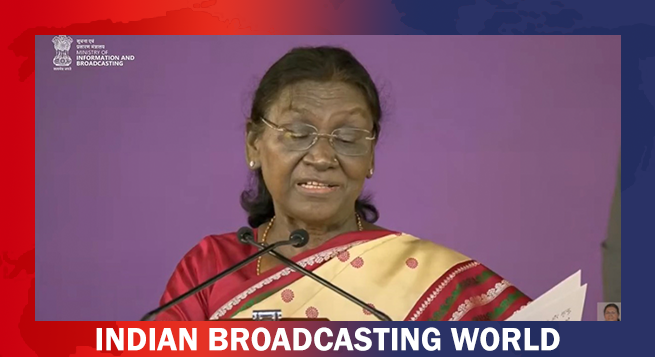 President Murmu exhorts celebs to not endorse ‘harmful products’
  Satellite company SES, JioStar sign multi-year distribution deal
  Govt. clarifies CBFC certification changes, says 1991 core framework unchanged
  Moneycontrol to host 3rd Startup Conclave in Bengaluru today
 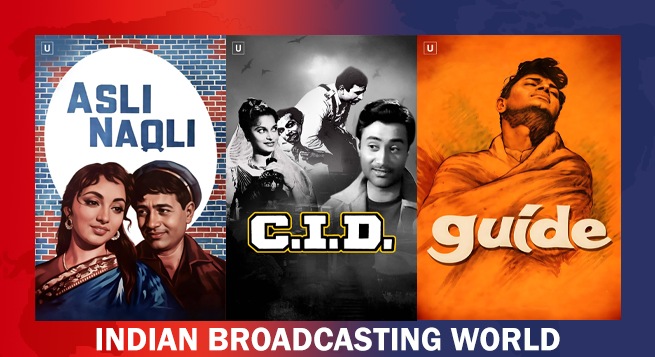 Ultra Play celebrates Dev Anand’s 103rd birth anniversary with his evergreen films
 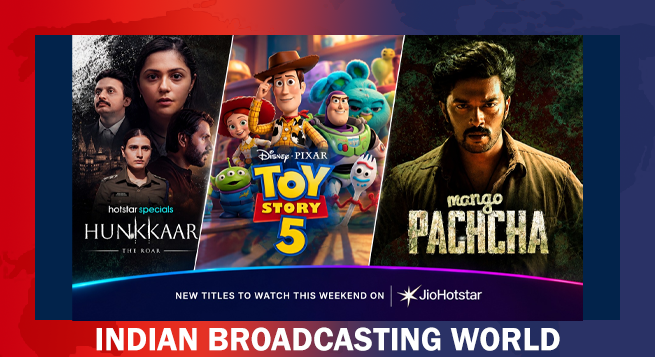 JioHotstar adds ‘Hunkkaar’, ‘Toy Story 5’ and ‘Mango Pachcha’ to weekend lineup
 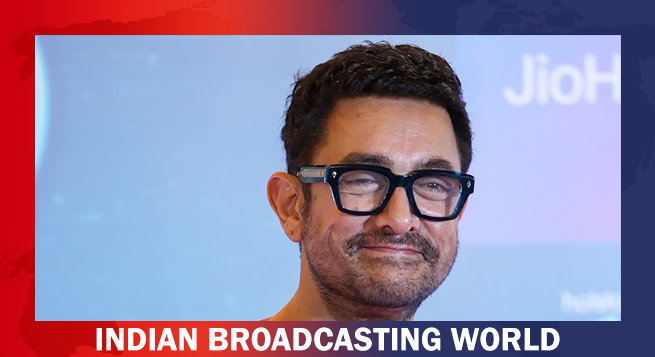 Aamir Khan receives Screen Icon Award at Singapore International Film Festival
  ALCOA India seeks TRAI intervention on live TV streaming



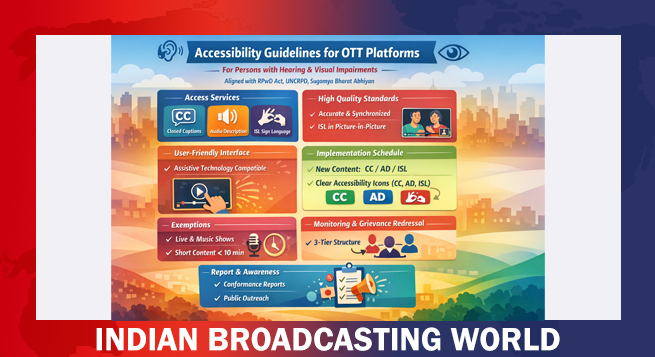
The Ministry of Information and Broadcasting (MIB) has come out with its final guidelines for content accessibility on streaming platforms aimed at ensuring that persons with hearing and visual disabilities can independently access and engage with online video content.
The guidelines — issued on February 6 under the Rights of Persons with Disabilities (RPWD) Act, 2016 and posted on the MIB website yesterday — have been framed after detailed consultations with stakeholders and require OTT platforms to make content and user interfaces more accessible, with special emphasis on Closed and Open Captioning (CC/OC), Audio Description (AD) and Indian Sign Language (ISL) interpretation.
Platforms are instructed to ensure that newly published content carries at least one accessibility feature each for hearing-impaired and visually-impaired users and that accessibility indicators are prominently displayed at the time of release.
Under a 36-month phased implementation schedule, publishers of online curated content must also integrate accessibility across their platform interfaces and strive to expand accessibility features across their entire content libraries on a best-effort basis.
The guidelines further mandate that platforms make their services compatible with assistive technologies used by persons with disabilities.
The document lays down the following technical standards for accessibility features:
# Captions must be accurate, synchronized, complete and legible
# Audio descriptions should be clear, comprehensive and unobtrusive; and Indian Sign Language interpretation — where provided — must be correctly synchronized and visible in picture-in-picture mode.
# Publishers are also required to file Accessibility Conformance Reports on compliance status and publicise accessible content through suitable indicators and discovery features on platform guides.
The guidelines carve out specific exemptions from accessibility mandates for live and deferred live content, audio-only media such as music and podcasts, and standalone short-form content (including ads), citing practical and operational challenges in real-time captioning and description.
However, in the case of short form content, the exemption is applicable to standalone content only and not for multiple individual episodes/segments of a content.
To oversee compliance and address complaints, MIB will set up a Monitoring Committee, headed by a Joint Secretary-level official, to meet every three months and monitor implementation. A three-tier grievance redressal mechanism is laid out, beginning with self-regulation by publishers, followed by their self-regulating bodies, and, if necessary, escalation to the central or federal government monitoring structure.
Complainants will receive acknowledgement of grievances within 24 hours, with defined timelines for resolution.
The issuance of these final guidelines, a government statement states, follows a draft put out by the Ministry in October 2025 for public and stakeholder comments, as part of efforts to make India’s digital entertainment landscape more inclusive.
(The image is AI generated and is for representational purpose only)