 Ficci FRAMES session discusses what makes reality TV tick
  Shekhawat: India must shift from content consumer to global creator
 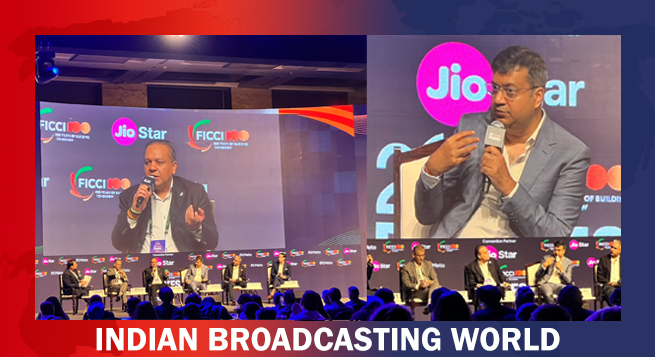 Puneet Goenka, Gaurav Banerjee, Rahul Kanwal share views on TV ratings
 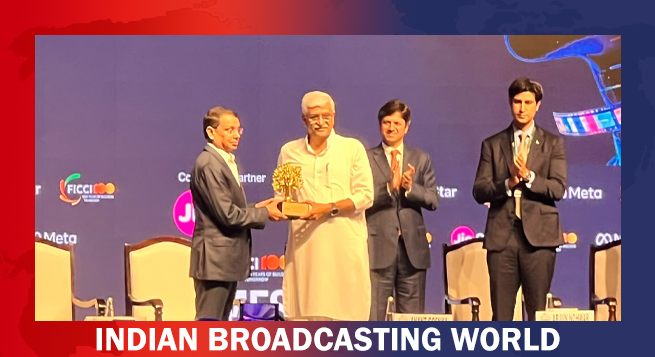 Uday Shankar urges Indian M&E sector to help nation’s global narrative
 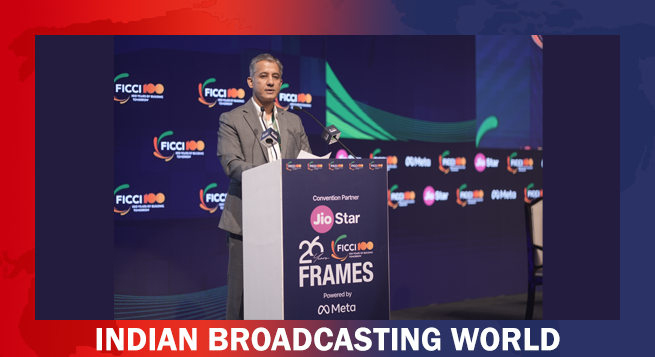 At FICCI FRAMES ‘26, Vaz bats for more innovation, regulatory flexibility
  India b’band base at 1.1bn in August, telecom subs cross 1.36bn
  From Netflix’s Sarandos to Ben Affleck: highlights of Bloomberg event
  ‘Neagley’ S2 okayed after S1 nets 40mn viewers at Prime Video
  Paramount, WBD merged entity to be christened Skydance
  Mehta shares ‘Gandhi’ BTS images on Mahatma’s birth anniversary
 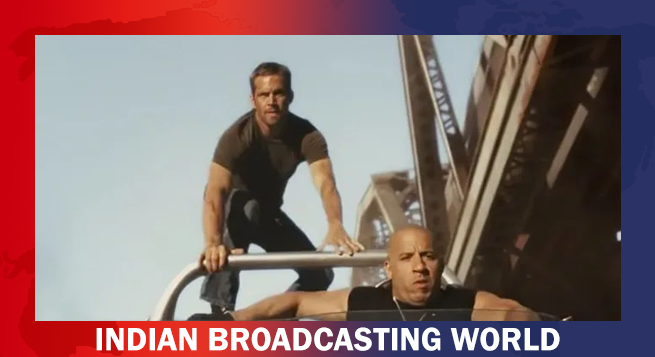 Peacock greenlights ‘Fast & Furious’ series; debut in 2028



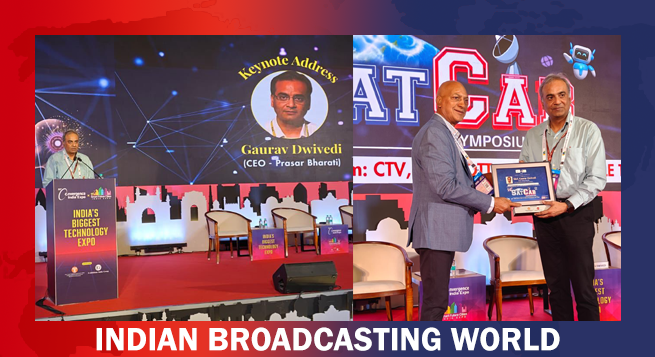
Emphasising a fundamental shift in the media and entertainment landscape, Prasar Bharati CEO Gaurav Dwivedi yesterday said content distribution is undergoing a major transformation driven by technological convergence, evolving audience preferences and the rise of integrated platforms like WAVES OTT, even as legacy and new systems continue to coexist.
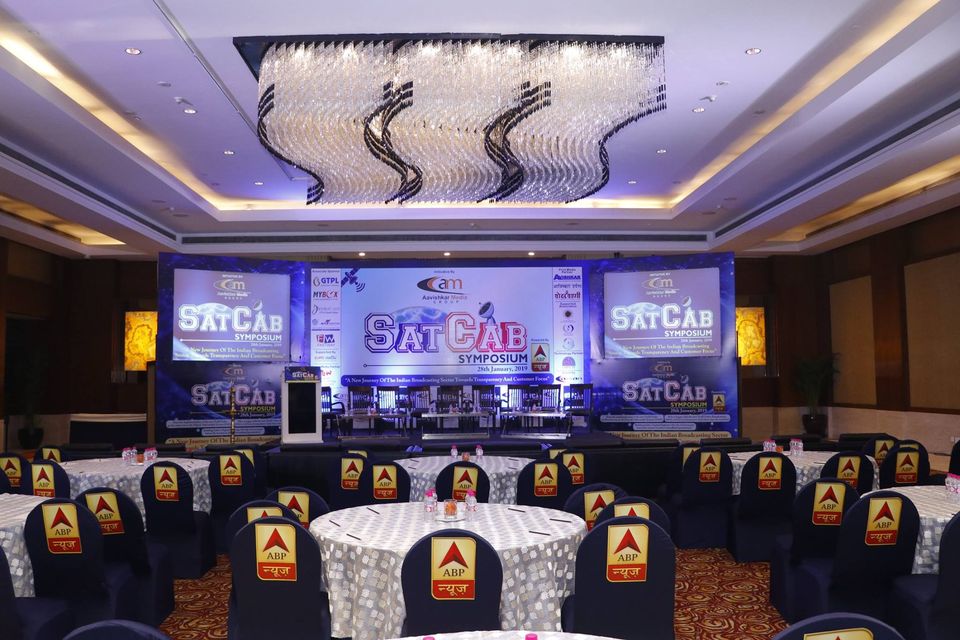
Delivering the keynote at the SATCAB Symposium 2026 in New Delhi yesterday, Dwivedi underlined how the industry has moved from a largely terrestrial base to a complex ecosystem spanning satellite, cable, digital and connected TV platforms.
“None of the technologies… has really been phased out,” he said, adding that multiple distribution models now coexist across geographies and audience segments in India.
Dwivedi noted that India, alongside the United States, remains among the largest cable distribution markets globally, while the overall distribution landscape is now “almost evenly split” across platforms, albeit in a state of flux.
He said this transition is likely to stabilise into a “coexistence ratio” over the next few years rather than leading to the displacement of older technologies.
Highlighting the shift in audience behaviour, Dwivedi said viewers today are far more discerning and demand content tailored to their preferences in terms of genre, format and language.
“People want the content of their choice in their language, in a style that they prefer,” he said, pointing to the growing influence of streaming platforms and user-generated content in reshaping consumption patterns.
He also stressed that the traditional distinction between linear and digital content has blurred significantly. Citing examples of channels being available simultaneously on satellite, YouTube and OTT platforms, Dwivedi said, “It makes no sense to say that I am a linear-first channel or a digital-first channel.”
He added that newer formats like FAST channels further illustrate the hybrid nature of the evolving ecosystem.
Dwivedi outlined Prasar Bharati’s recent initiatives aimed at expanding access and integrating content ecosystems. He highlighted the launch of in-built TV tuner-enabled television sets that can receive DD FreeDish signals without a set-top box, calling it a step towards removing access barriers.
“Public service broadcasting should not be encumbered by any kind of access restrictions,” he said, reiterating the mandate to make content widely available without subscription.
He also detailed the expansion of the WAVES OTT platform as a free, integrated content hub combining linear channels, on-demand content, user-generated content, archival material, publications and more.
A new feature, MyWaves, aims to onboard content creators and provide them visibility across both digital and linear platforms.
Summing up, Dwivedi said the industry is witnessing unprecedented experimentation in reaching audiences, but the central driver remains clear — audience is king — and that India’s national broadcaster Prasar Bharati is positioning itself as a “one-stop solution” to cater to information, education and entertainment needs across the country’s diverse population.