 Uday Shankar: Indian M&E sector needs policy support to compete globally
  Guest Column: STB evolves from decoder to connected entertainment
  Meta says expanded AI sweep of ads linked to child abuse in India
  With WBD merger closed, Skydance is a Hollywood giant
  TRAI flags mixed 2025-26 trends: DTH shrinks, telecom base expands
 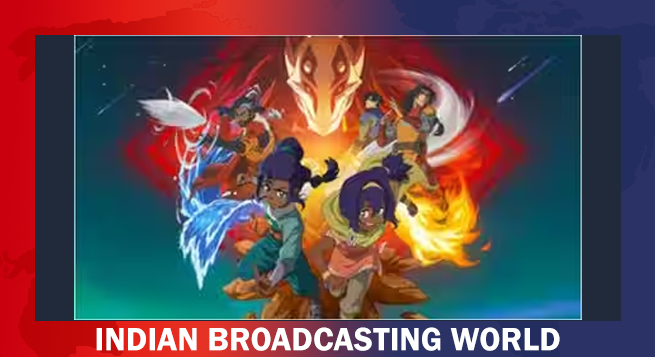 ‘Avatar: Seven Havens’ renewed for two more seasons
 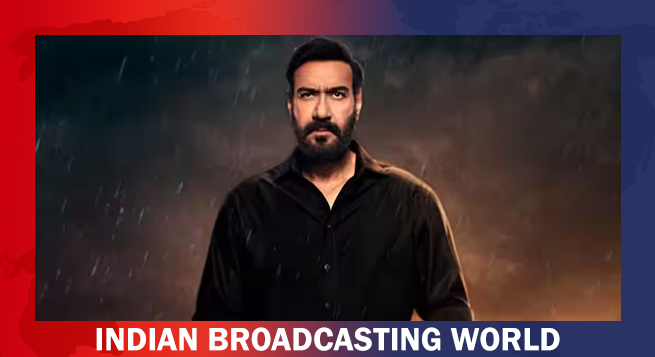 ‘Drishyam: The Conclusion’ crosses Rs 400 crore worldwide
  Sony TV announces ‘Indian Idol Legends Return’
 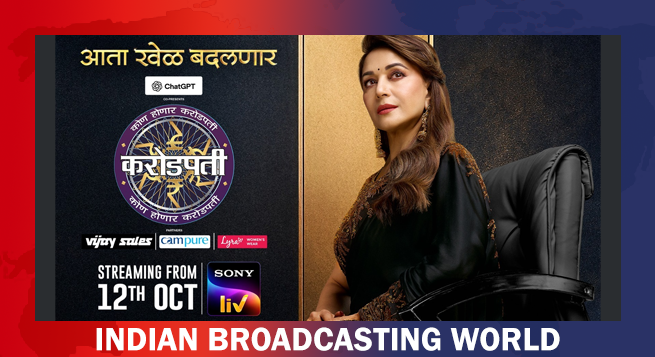 Sony LIV announces brand partners for ‘Kon Honar Crorepati’
 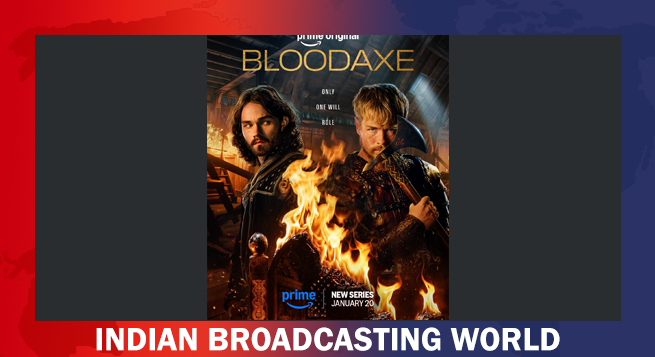 Prime Video announces ‘Bloodaxe’ premiere date



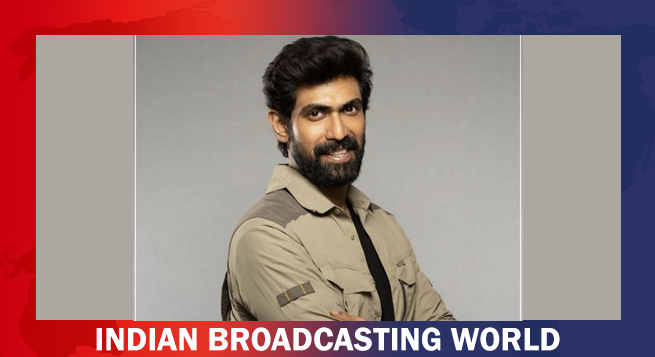
Artificial Intelligence is quietly rewriting the grammar of cinema and for filmmakers chasing scale and spectacle, the future is already playing out before the first camera rolls. AI now allows creators of big-impact films to almost watch their movies before a single frame is shot, actor Rana Daggubati said yesterday, underscoring how the technology is reshaping storytelling from the ground up.
What once lived only in imagination or rough storyboards can now be visualised in striking detail — scenes blocked, worlds built, action choreographed — long before production begins. For large-scale cinema, that shift is transformative. It compresses uncertainty, sharpens creative decisions and gives filmmakers a near-finished window into their own vision.
Addressing a session on ‘AI x Creativity: Skilling for Innovation in the Intelligent Economy’ on the first day of the five-day AI Impact Summit in new Delhi yesterday, Daggubati reiterated the impact AI is having on films, but suggested that certain core human skills cannot be substituted.
“In the visual effects world, earlier, getting a shot done used to take 3-5 days. But now that has come down to just 2-3 hours…Besides, a filmmaker can now watch his movie even before shooting really begins,” he said.
But, as AI tools become more accessible, Daggubati drew a clear line between users and builders.
The next big divide in the industry, he suggested, will not be between those who adopt AI and those who resist it, but between those who build intellectual property on top of these tools and those who merely use them.
However, he highlighted certain qualities and skills that will not be replaced.
“Storytelling, understanding of cultural context, and social literacy are such skills,” he said, adding that “the construct of repeatability is gone now, and a key differentiating factor would be between those creating IP (on AI tools) and those just using it”.
The actor, known for movies like ‘Baahubali’, ‘Kalki 2898 AD‘, ‘The Ghazi Attack’, among others, further said, “Ownership will change dramatically. Earlier, big studios were the only ones to develop big IP universes. Today it is in the hands of independent directors”.
“We might be in the phase of extreme change… but will everything go AI from here? Not really. But there are pieces of the puzzle being taken away,” Daggubati added.
Ashish Kulkarni, founder of Punnaryug Artvision, said foundational skills with reference to creative content will still have to be taught to students.
“AI is giving us great perspective pre-production, pre-visualisation. We will have to make sure, while teaching foundational skills about how we can enhance storytelling aspect, emotional & behavioural intelligence,” he said.
An MoU was exchanged between Adobe and Nasscomm for the Future Skills Prime initiative during the session, which was moderated by Mala Sharma, Global VP & GM at Adobe, and was attended by Abhilasha Gaur, CEO, IT-ITeS SSC Nasscom; Saransh Agrawal, VP-Learning & Development, Cognizant; and Raj Rishi Singh, CBO & CMO, MakeMyTrip.
The AI Impact Expo 2026, being held in the national capital from February 16-20, is expected to witness the participation of over 2.5 lakh visitors, including international delegates. The event aims to foster new partnerships and create business opportunities within the global AI ecosystem.