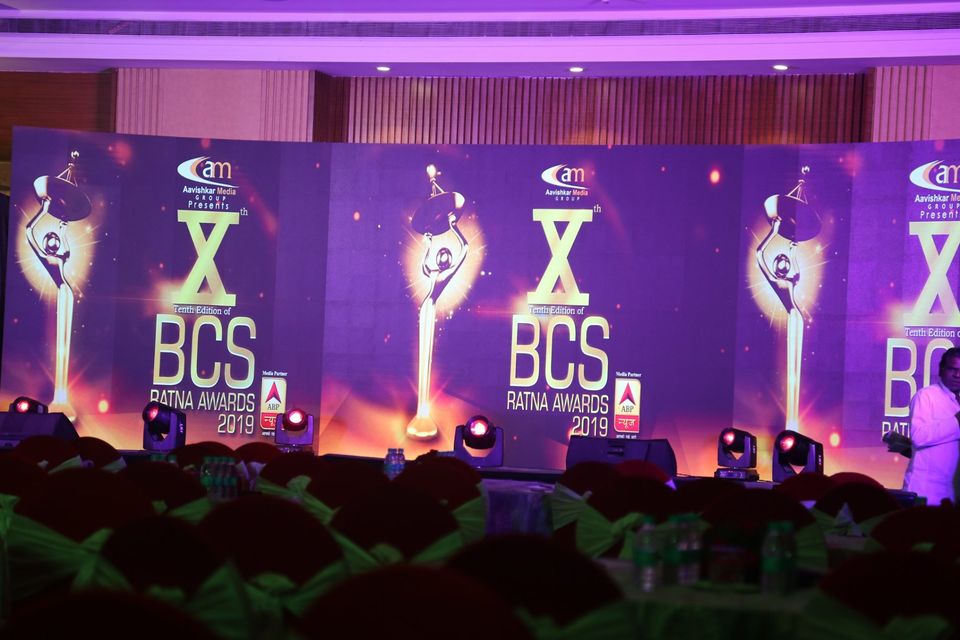
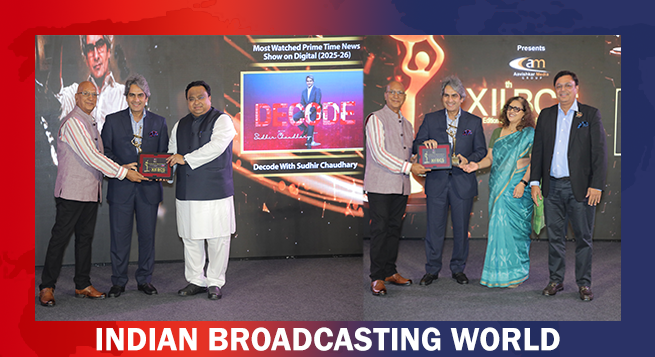
 Sudhir Chaudhary wins two big Honours at XIIᵗʰ BCS Ratna Award 2026
 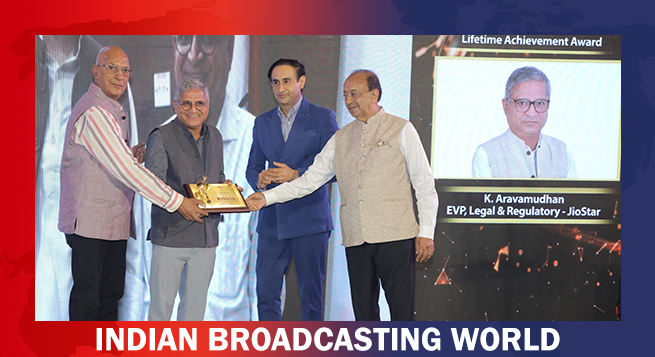 12th BCS Ratna Award: JioStar’s Aravamudhan is Lifetime Achievement honouree
  XIIth BCS Ratna Award : JioStar CEO Entertainment Kevin Vaz honoured
 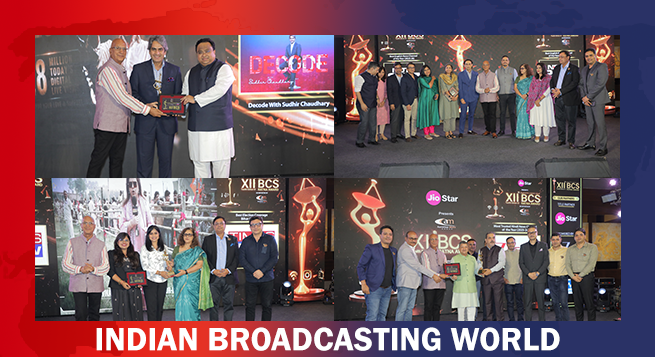 XIIth BCS Ratna Award 2026: Media achievers honoured
 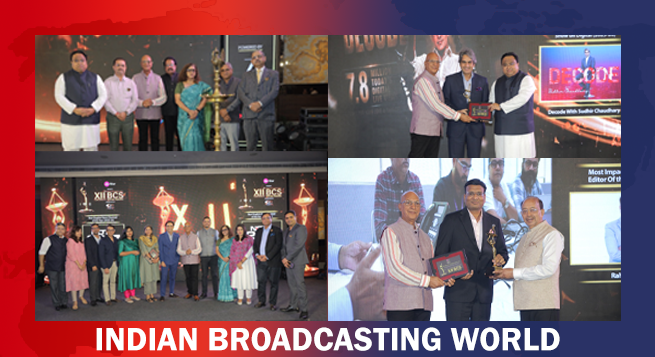 12th BCS Ratna Award a roaring success; honours excellence in M&E
 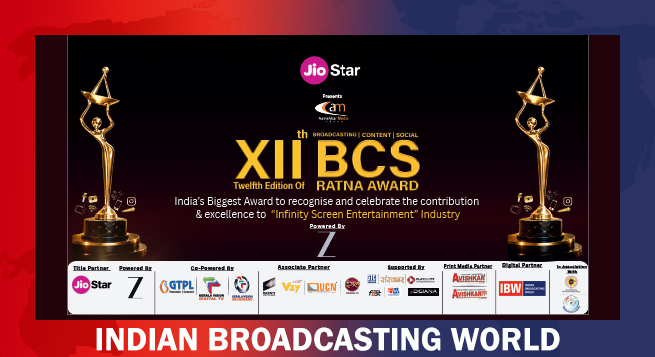 Twelfth BCS Ratna Award boasts stellar lineup; to be held on Aug 5
 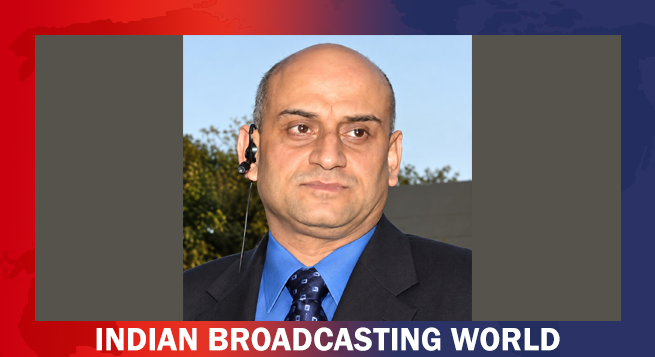 Dr Anil Singh joins Top Story as Editor
  BGMI 4.6 update adds ‘Midnight Hunters’ mode, new Kiaraa character
  Rohit Sharma’s ‘Family Full House’ onboards major brands as sponsors
  Govt. notifies changes in film guidelines to combat drug abuse
 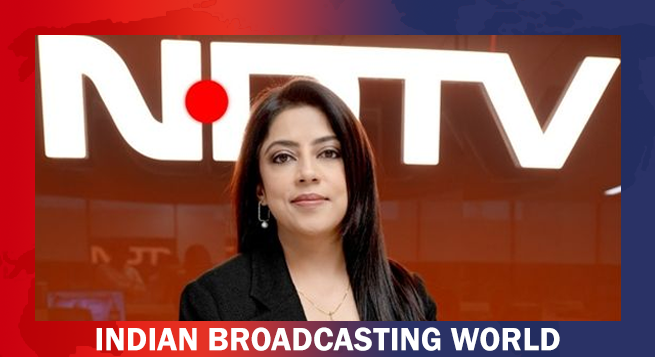 Senior journalist Sneha Mordani joins NDTV as Health Editor



In a major transition aimed at streamlining its satellite distribution, Jiostar TV has announced the migration of all its 130 television channels from Asiasat 7, Asiasat 5, and GSAT 30 to GSAT 17 (93.5°E) and Intelsat 20 (68.5°E).
The move, scheduled to begin in early November 2025, is in compliance with authorization from the Indian regulatory body.
As per the company’s circular, the transition will adopt HEVC (High Efficiency Video Coding) technology to enhance transmission quality and optimize bandwidth. All Jiostar TV channels, except for a few already operating on IS 20, will now be accessible exclusively in HEVC format on the new satellites.
To ensure a smooth transition, Jiostar TV will initiate a dual illumination period starting from early November 2025, allowing broadcasters and operators to access signals from both the old and new satellites. This period will continue until December 31, 2025, providing ample time for partners to complete migration and system upgrades.
The broadcaster has urged all affiliated networks and distribution partners to plan re-cabling operations from the new satellites to their respective integrated receiver decoders (IRDs) or professional integrated receiver decoders (PIRDs) as per the updated downlink parameters detailed in Annexure A.
This migration marks a significant technological upgrade for Jiostar TV, aligning its infrastructure with the latest industry standards while ensuring improved picture quality and operational efficiency for viewers and distribution partners alike.