 MIB says no film denied screening permission at Keralam film festival
  Govt. clarifies CBFC certification changes, says 1991 core framework unchanged
 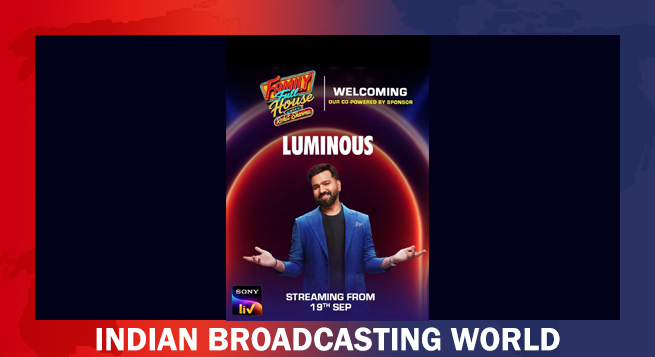 Luminous partners with Sony LIV for ‘Family Full House with Rohit Sharma’
 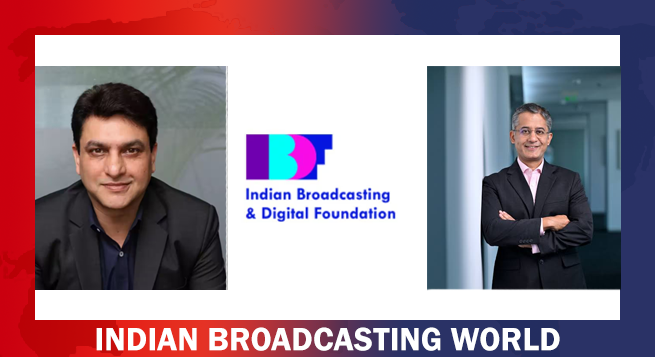 IBDF announces key board changes
 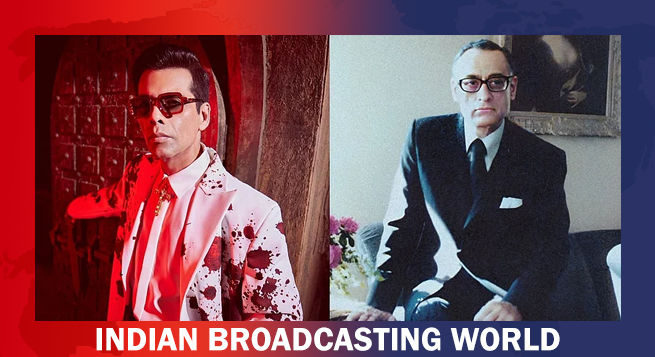 Karan Johar announces film on R&AW founder R N Kao
  ‘MasterChef Asia’ to premiere on TLC India on Sept.22



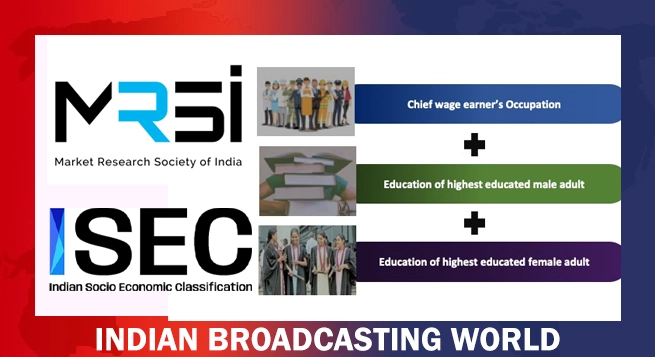
The Director General at Market Research Society of India, Mitali Chowhan, emphasized the significance of an evolved Socio-economic Classification (SEC) structure, stating that ISEC is highly relevant. ISEC, unlike its predecessor NCCS, considers women’s education as a key determinant of social capital, which aligns with current societal dynamics.
A panel discussion organized by MRSI, featuring industry leaders such as Amit Adarkar (CEO of IPSOS India), Jasmine Sachdeva (Managing Partner of Wavemaker India), Muralidhar Salvateeswaran (COO, Insights APAC at Kantar), Rajiv Dubey (Head of Media at Dabur India), Vivek Malhotra (Group CMO of India Today Group), and Vinay Virwani (Head – Consumer Insights at Dabur India), highlighted the necessity of a robust SEC system. The panel, moderated by MRSI’s General Secretary Shuvadip Banerjee, discussed the increasing need for a deeper understanding of consumer behavior, media targeting, and challenges faced by the industry under the existing NCCS construct.
Amit Adarkar, CEO of IPSOS India, stressed that socio-economic classifications are fundamental to planning and decision-making, influencing various industries. He emphasized the importance of following a relevant, evolved, and representative SEC system, especially in a rapidly evolving country like India.
K Ramakrishnan, Managing Director South Asia, Worldpanel Division, Kantar, expressed that ISEC is a robust system working well in both urban and rural India. It offers more distinctiveness, better distribution, and confidence in benefiting brands and their decisions.
Unlike NCCS, which considered the education of the chief earner and the presence of certain consumer durable items, ISEC takes a more advanced approach. It incorporates the occupation of the chief earner, education of the highest educated male adult, and education of the highest educated female adult.
Sunil Kataria, CEO of Raymond Lifestyle – India & International, and Chairman of The Indian Society of Advertisers, welcomed the new socio-economic classification. He emphasized the importance of understanding consumers and their behavior, acknowledging ISEC as representative, relevant, and robust.
Shashi Sinha, CEO of IPG Mediabrands India, added that a deeper understanding of consumer cohorts is appreciated by brands as it enables sharper targeting and communications. Vivek Malhotra, Group CMO, India Today Group, mentioned that following a representative socio-economic classification ensures efficient spending and boosts confidence in the industry’s economic growth and development.
ISEC is expected to offer improved distribution, sharper targeting, and stability to the industry. It is considered discriminatory, crucial in current times, and a step forward for economic growth and development. The system spans 1 to 12 tiers, accommodating both urban and rural settings, and is open-source for all industry stakeholders. The move reflects the industry’s commitment to evolving and growing in line with societal changes and economic progress in India.