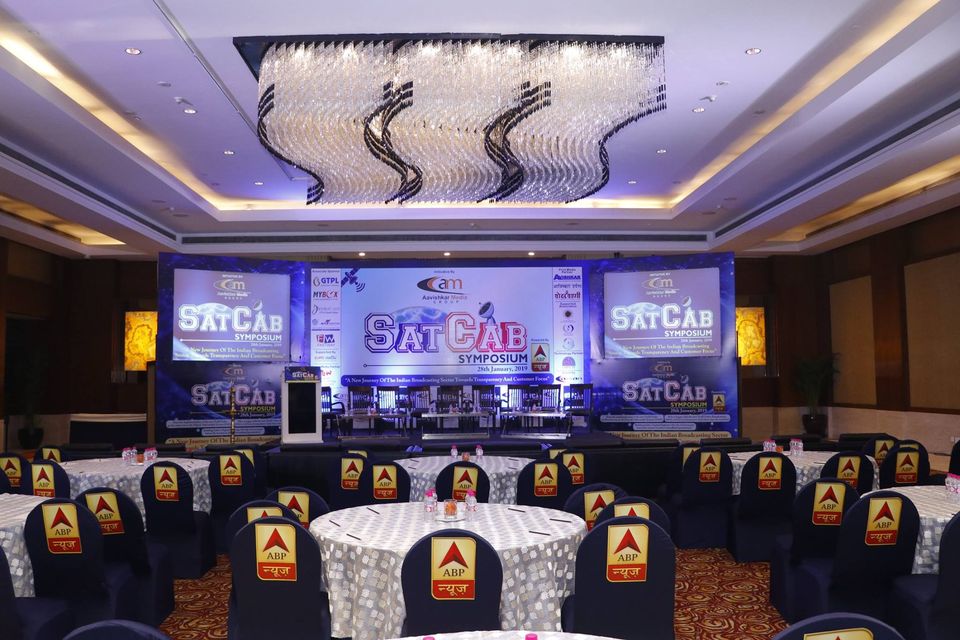
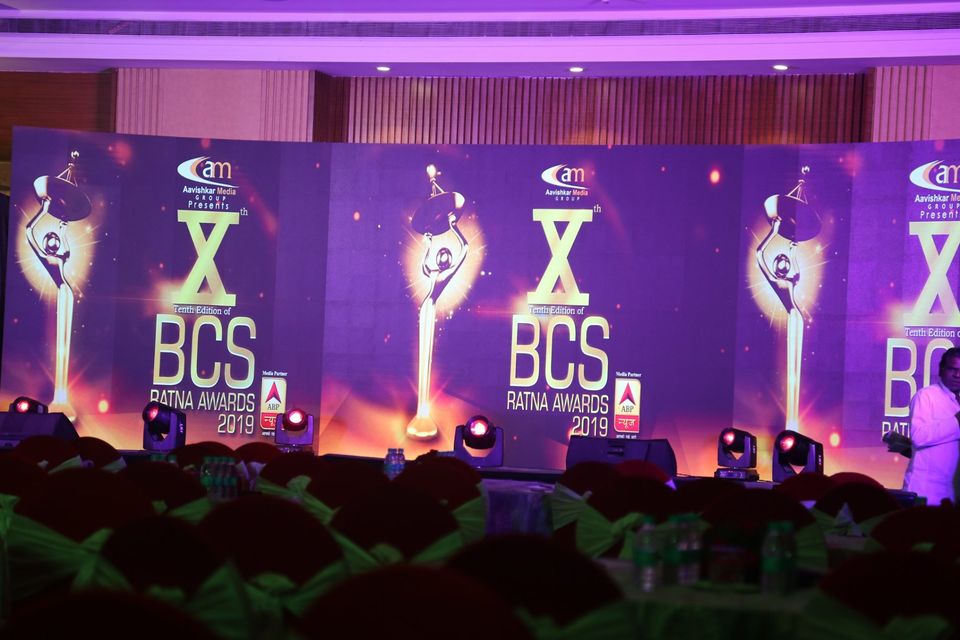
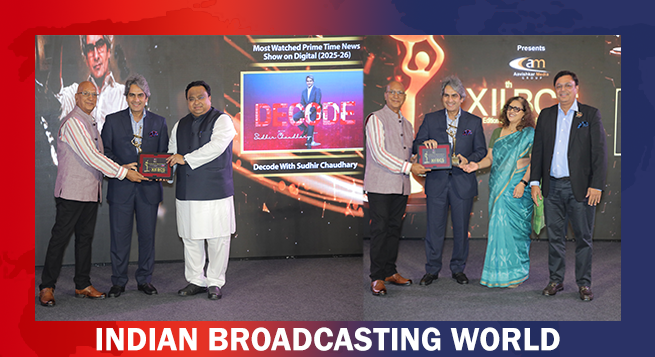
 Sudhir Chaudhary wins two big Honours at XIIᵗʰ BCS Ratna Award 2026
 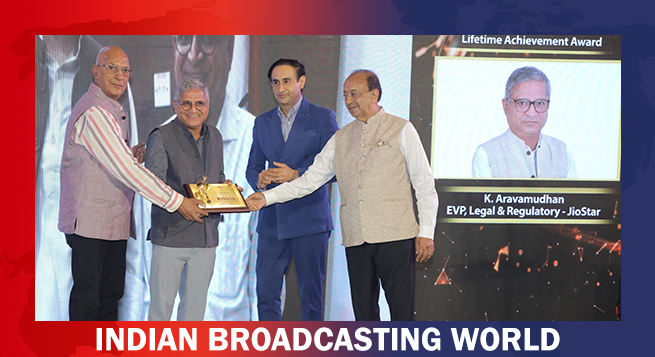 12th BCS Ratna Award: JioStar’s Aravamudhan is Lifetime Achievement honouree
 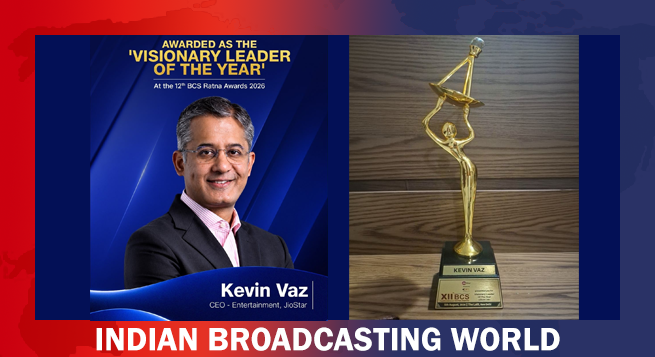 XIIth BCS Ratna Award : JioStar CEO Entertainment Kevin Vaz honoured
 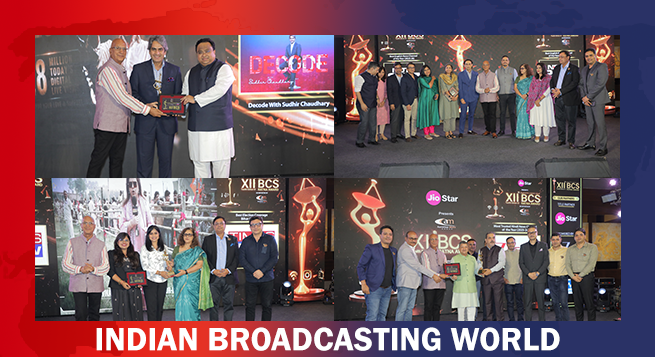 XIIth BCS Ratna Award 2026: Media achievers honoured
 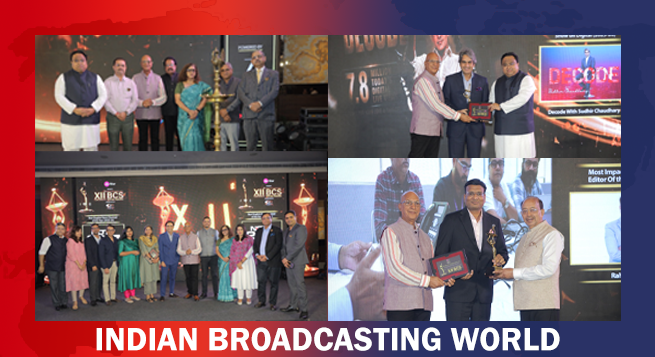 12th BCS Ratna Award a roaring success; honours excellence in M&E
 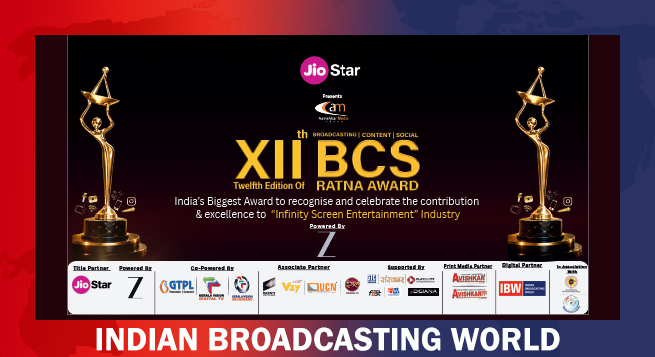 Twelfth BCS Ratna Award boasts stellar lineup; to be held on Aug 5
 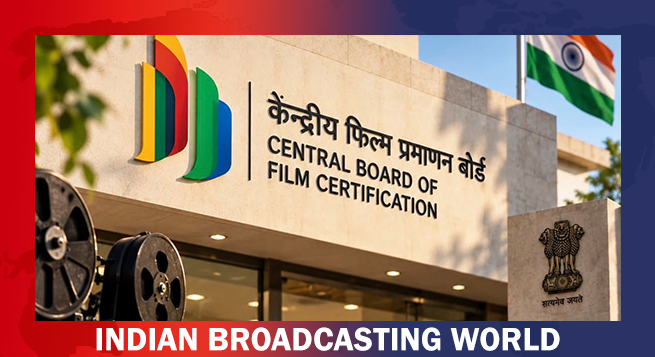 Govt. clarifies CBFC certification changes, says 1991 core framework unchanged
  Govt. invites 13 MSME, startups for initial evaluation for digital ad panel
 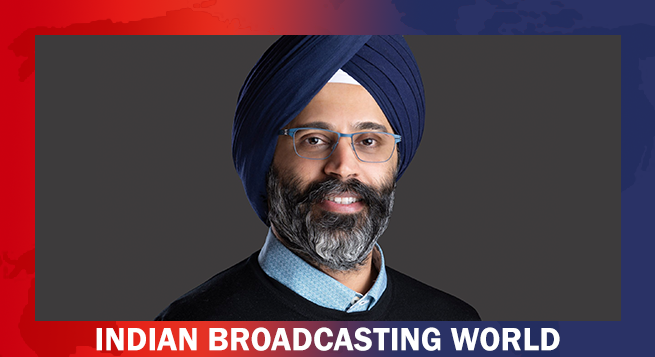 Karandeep Anand to be Disney’s first CTO, a newly created post
 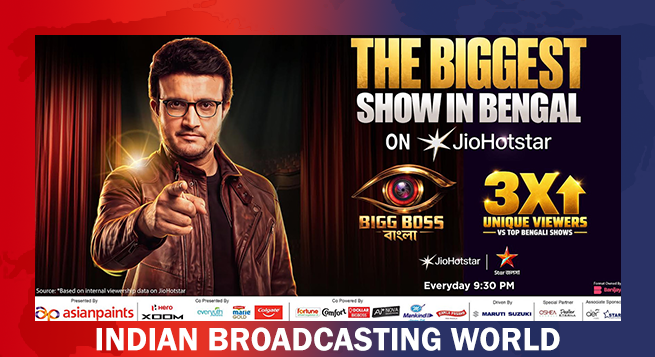 Ganguly-hosted ‘Bigg Boss Bangla’ sets streaming benchmark
 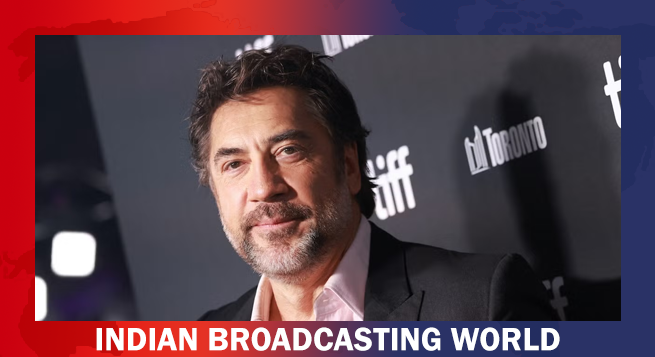 Javier Bardem joins HBO’s ‘The Spread’



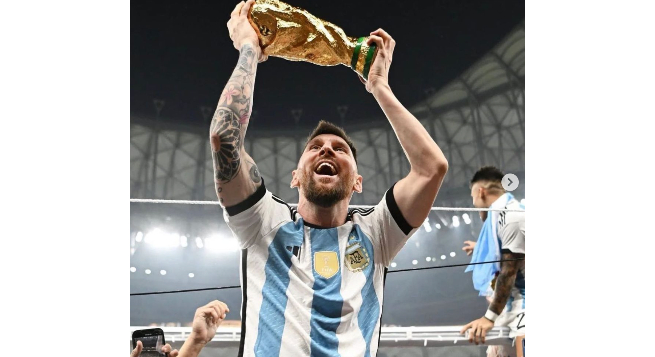
Lionel Messi‘s Instagram message celebrating Argentina’s World Cup win has become the most popular post in the social media platform’s history, with 56 million likes.
Messi finally won international football’s greatest prize after Argentine edged out France 4-2 on penalties after a thrilling 3-3 draw in Sunday’s final at Lusail Stadium.
For the seven-time Ballon d’Or winner, it is the final rubber stamp on his status as the greatest footballer of his generation, and arguably the greatest of all time.
Now, Messi has another record to his name, with his post in the wake of Argentina’s success surpassing the previous high-water mark held by the World Record Egg, which gained 55.9 million likes, a statement on FIFA website said.
“Thank you very much to my family, to all who support me and also to all who believed in us,” the 35-year-old wrote in his caption.
“We demonstrate once again that Argentines when we fight together and united we are capable of achieving what we set out to do.
“The merit belongs to this group, which is above individuals. It is the strength of all fighting for the same dream that was also the dream of all Argentines… We did it!!!”
Messi, who was named the World Cup Golden Ball recipient for the second time, scored twice in Sunday’s final, and netted the first successful penalty of his side’s shoot-out.
(Photo courtesy Leo Messi Instagram page)