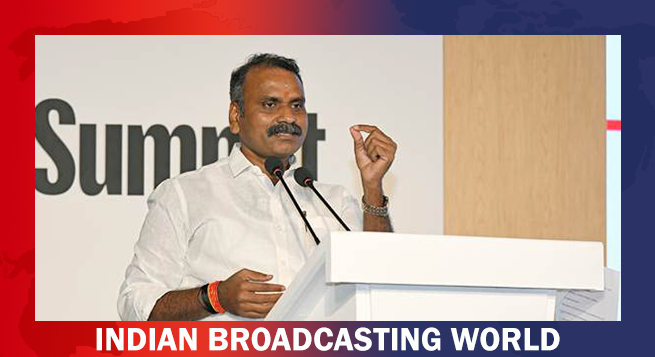
 Murugan resigns from Cabinet as Mos MIB & Rajya Sabha
  Broadcasters flag HD-SD conversion, satellite spectrum concerns in submission to MIB on telecom rules 2026
  MIB seeks dismissal of AIDCF plea against WAVES, says OTT rules differ from TV
 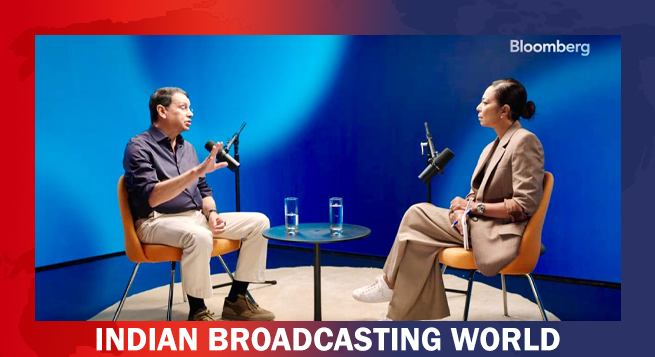 Uday Shankar: Indian M&E sector needs policy support to compete globally
  Guest Column: STB evolves from decoder to connected entertainment
  Meta says expanded AI sweep of ads linked to child abuse in India
  Netflix secures FIFA World Cup 2030 rights in Spain and Andorra
  ‘Ishqa Ishqa’ part 2 promo out
 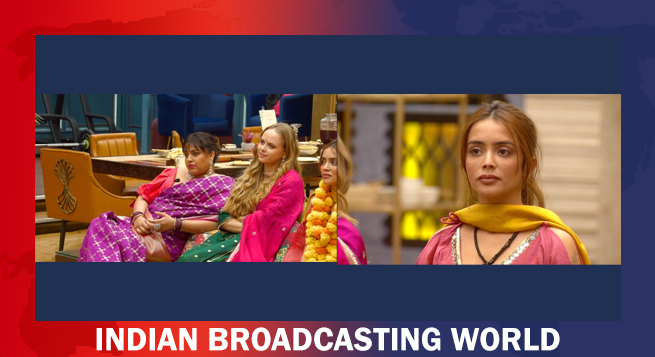 ‘Rise and Fall’ S2: Swara Bhasker, Niharika Tiwari battle for ultimate ruler crown
  Zee Marathi nets 25+ brand deals for ‘Home Minister’, ‘Sa Re Ga Ma Pa’
  Former MX Player, Disney senior exec Nikhil Gandhi launches AI venture



Google’s YouTube won its latest copyright-infringement challenge after Europe’s top court said online platforms are not liable for users uploading unauthorised works unless the platforms failed to take quick action to remove or block access to the content.
The case marks the latest development in a long-running battle between Europe’s $1 trillion creative industry and online platforms, with the former seeking redress for unauthorised works that are uploaded, Reuters reported from Luxembourg.
It is also part of the wider debate on how much online platforms and social media should do to police the posting of unauthorised, illegal or hateful content, an issue that European Union regulators are targeting with tough new rules that could come into force next year.
“As currently stands, operators of online platforms do not, in principle, themselves make a communication to the public of copyright-protected content illegally posted online by users of those platforms,” the EU Court of Justice said.
“However, those operators do make such a communication in breach of copyright where they contribute, beyond merely making those platforms available, to giving access to such content to the public,” judges said.
The EU court said platforms could also be liable if they do not put in place the appropriate technological tools to tackle copyright breaches by their users or where they provide tools on their platforms for illegal sharing of content.
In response to the court ruling a YouTube spokesperson said: “YouTube is a leader in copyright and supports rights holders being paid their fair share.”
“That’s why we’ve invested in state of the art copyright tools which have created an entirely new revenue stream for the industry. In the past 12 months alone we have paid $4 billion to the music industry, over 30% of which comes from monetised user generated content, “ the spokesperson added.
The case underlines a long-running debate on the responsibilities of online platforms, with the CJEU giving useful guidance to national courts assessing such disagreements, said Nils Rauer, a partner at law firm Pinsent Masons.
“The core question is and remains whether the platform is in a rather passive role (no liability) or in an active role (liability). There is a fine line between those two roles,” he said.
“With today’s ruling, the domestic courts will be able to build on more guidance from Luxembourg where to draw the line between the good ones (platforms) and the bad ones,” he said.
YouTube found itself in the dock after Frank Peterson, a music producer, sued the company and Google in Germany over the uploading to YouTube by users in 2008 of several phonograms to which he holds the rights.