 TRAI flags mixed 2025-26 trends: DTH shrinks, telecom base expands
  Ind, Pak cricket & hockey matches most viewed in Asian Games history
 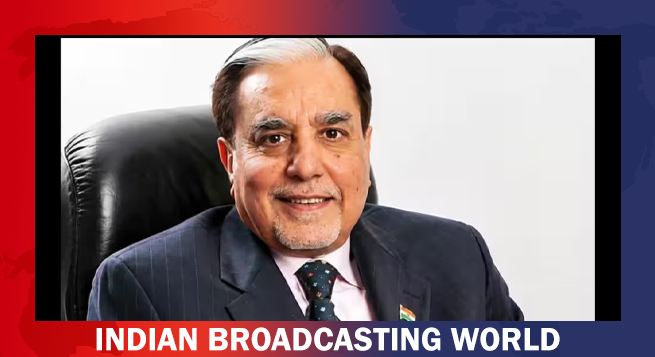 Zee completes 34 years as Subhash Chandra recalls media journey
  Ficci FRAMES session discusses what makes reality TV tick
 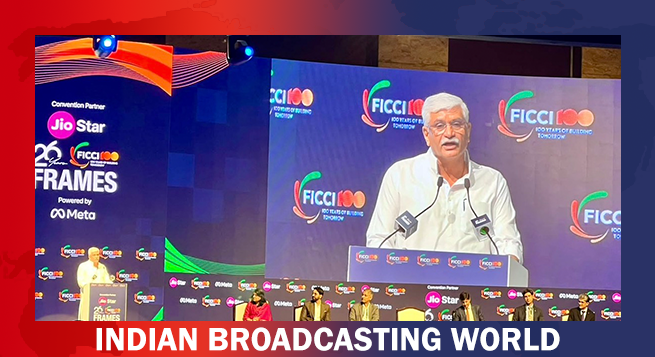 Shekhawat: India must shift from content consumer to global creator
 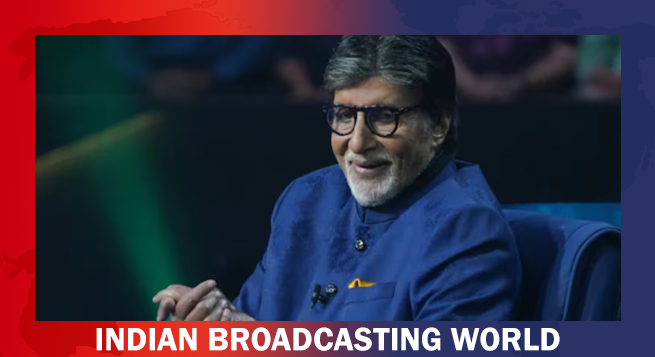 On ‘KBC 18’, Big B reveals why he grew hair long
  With WBD merger closed, Skydance is a Hollywood giant
  Sonakshi, Zaheer Iqbal’s ‘Tu Hai Meri Kiran’ trailer out
  A six-year deal makes Prime Video global home of Emmys
  ‘Drishyam: The Conclusion’ crosses Rs 300 cr. worldwide



Paramount Skydance Corp closed its $110 billion acquisition of Warner Bros. Discovery Inc. yesterday, completing one of the biggest media mergers of all time after engaging in a bruising battle for control with Netflix Inc. and fending off antitrust lawsuits.
According to a Bloomberg report yesterday, the new company, which will be called Skydance, combines two of the five largest Hollywood film studios, uniting major franchises such as ‘Harry Potter’ and ‘Mission Impossible’.
It will now be home to dozens of TV networks, from CBS to TNT, and two major subscription streaming services, Paramount+ and HBO Max.
David Ellison, who only completed the merger of his Skydance Media film production company with Paramount in August 2025, has continued to consolidate power in the media industry and has become one of Hollywood’s biggest moguls.
Still, he brought in Ynon Kreiz from Mattel Inc to share oversight of Skydance as co-chief executive officer. Kreiz will manage day-to-day operations while Ellison maintains the creative, big-picture vision and handles relationships with talent.
“Today is a historic day, not just for Skydance but for our entire industry,” Ellison said in a statement, according to the Bloomberg report.
After pulling off two mega-mergers of century-old Hollywood companies in just over a year, Ellison now faces the significant challenge of making it all work.
That means eliminating overlapping businesses and jobs without fanning the ire of Hollywood, which is already suffering through a downturn and has opposed the consolidation from the start.
Skydance also will need to manage nearly $80 billion in debt while adhering to a strict calendar of theatrical releases as stipulated by the lawsuit settlement.
The path to closing the merger was often a rocky one and at times seemed likely to derail. But Ellison was determined to succeed and saw the deal as essential to be able to compete with the likes of Netflix, The Walt Disney Co., Amazon.com Inc, and Apple Inc.
Paramount agreed to acquire Warner Bros. in February following a months-long bidding war against Netflix, which had previously committed to purchasing Warner Bros.’ studios and streaming business, but not the cable channels.
Ellison clinched the deal by sweetening the offer price and bringing his father Larry Ellison in to personally guarantee funding.
Paramount paid a $2.8 billion breakup fee to Netflix on behalf of Warner Bros. and argued it would be able to clinch a speedy closing of its own deal, promising to pay fees to Warner Bros. shareholders of $7 million a day if the deal wasn’t finalized by September 30.
Though Paramount did manage to get quick antitrust approval from the US Department of Justice, the European Union and other key jurisdictions, it was delayed by a pair of lawsuits brought by 12 states and the Writers Guild of America, who were concerned about the threat of higher prices for consumers and fewer jobs.
Thousands of actors, directors, writers and producers signed a letter protesting the deal.
In the statement, Skydance said savings would come primarily from combining technology and other operations, such as negotiating deals with suppliers and reducing overlapping marketing expenses as well as consolidating real estate.
That will make the company “leaner and more nimble,” and allow it to reduce its debt load to three times annual adjusted earnings by the end of 2029. The new company expects to generate more than $10 billion in free cash flow by 2030.
Skydance’s debt will continue to weigh on the company, however. Its interest bills are much higher now than if it had issued debt just a few months earlier, since inflation concerns have lifted global borrowing costs. Paramount sold $52 billion of loans and bonds in just a week, a tight timeline for any debt deal and particularly so for one of the largest financings in recent history.
As part of a negotiated settlement with the states, whose case was led by California Attorney General Rob Bonta, Paramount vowed to release at least 30 films a year in theatres and keep them there exclusively for 45 days before making them available for viewing at home.
The company also agreed to create an editorial independence board for its news organizations, CBS and CNN, an effort to address concerns that the Ellison family’s friendliness with President Donald Trump would prompt them to try to influence the coverage.
Ellison has so far agreed to keep CBS and CNN separate and under different leadership. In announcing a new executive team on Monday, he said that CNN CEO Mark Thompson would remain in his role and Bari Weiss would keep her title as editor-in-chief of CBS News.
One executive who won’t be part of the new team at Skydance is David Zaslav, the president and CEO of Warner Bros., who will take his leave along with potentially more than $667 million in cash severance and stock awards triggered by the sale.
Warner Bros. stock has ceased trading on the Nasdaq exchange. Skydance will trade under the ticker SKYD on the New York Stock Exchange.