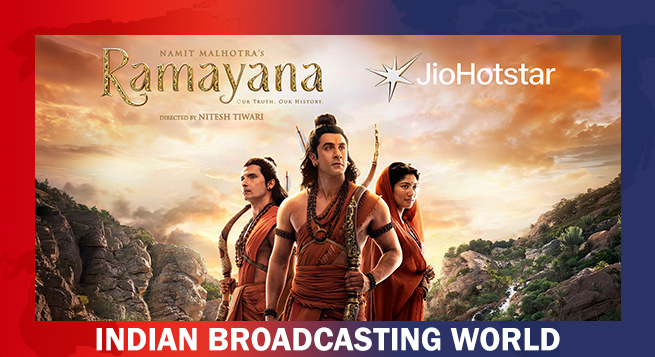
 JioHotstar to offer ‘Ramayana’ on pay-per-view after theatrical run
  MIB issues advisory for TV channels on news reporting, AI use
  Netflix to expand ads plan to 15 new countries in 2027
 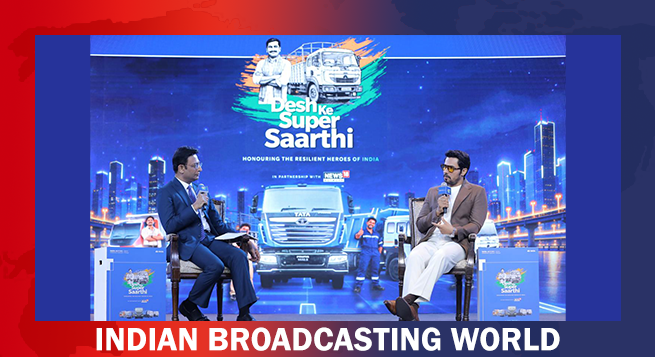 News18, TaMo to mark Oct 23 as ‘National Saarthi Diwas’
  Airtel launches voice-only prepaid plans starting at Rs 185
  Without naming Musk, RIL says it welcomes satcom competition
  Purav Jha on his acting debut in Prime Video’s ‘Chaar Yaar’
  ‘Glee’ to return with a new series on Disney+, Hulu
 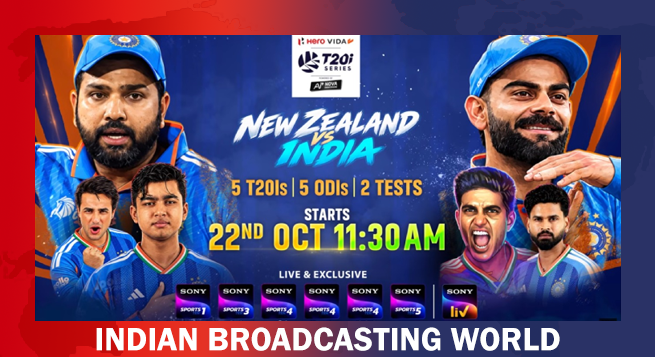 Sony Sports Network, Sony LIV announce India-New Zealand tour coverage
 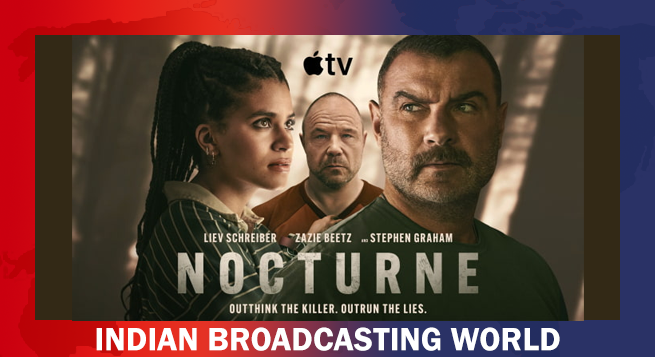 Apple TV’s ‘Nocturne’ to premiere on Oct 30
 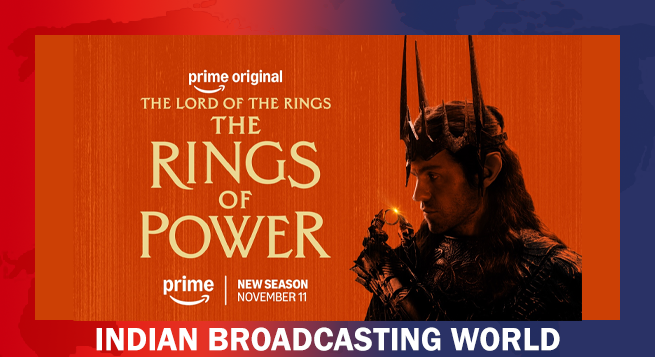 Prime Video announces ‘The Rings of Power’ S3 release date



The 2026 soccer World Cup may ultimately be remembered less for the identity of its winner than for the question it left hanging over the game: how much of soccer’s American makeover will survive once the tournament leaves North America?
According to a Reuters report from New York, from mandatory hydration breaks that effectively split matches into four quarters to championship rings, a halftime show and an ever more tightly packaged entertainment product, FIFA embraced elements of the US sporting model with enthusiasm.
Some of those innovations will probably be remembered as novelties of an American-hosted tournament , while others may prove harder to dislodge.
The mid-half breaks, brought in throughout the competition regardless of whether conditions strictly required them, were introduced by FIFA on player-welfare grounds in a tournament played through the heat and humidity of a North American summer.
Once established, they also created something football has traditionally resisted: two scheduled interruptions in the middle of each half. For coaches, they became tactical timeouts. For broadcasters, they offered natural windows that could one day carry enormous commercial value.
But for supporters accustomed to soccer’s continuous rhythm, they made matches feel increasingly divided into four quarters.
That is where the legacy question becomes more pertinent. The breaks are likely to be discussed for future World Cups, not least because player welfare offers FIFA an obvious rationale for retaining them and because the commercial potential of fixed mid-half pauses will be difficult for the sport’s decision makers to ignore.
Yet any attempt to normalise them globally would meet resistance, particularly in Europe, where soccer’s relative freedom from stoppages remains one of the characteristics supporters most fiercely defend. UEFA has said it will not bend its rule that hydration breaks cannot exceed one minute.
The tournament therefore became a test case for how far FIFA is willing to reshape football in the image of the market in which it is being played. The answer is: quite far.
Winning team Spain received championship rings, a tradition imported directly from North American sport, while the showpiece final itself featured a major halftime entertainment product that has drawn obvious comparisons with the Super Bowl and led to a 27-minute interval, shooting past the sacrosanct 15-minute halftime period, the Reuters report added.
Neither changes the absolute fundamentals of the game. But they contributed to a sense that FIFA was no longer merely bringing the World Cup to the United States but increasingly adapting the World Cup to American sporting culture.
The United States appeared to be absorbing the culture of football. At the same time, FIFA seemed intent on absorbing the culture of American sports entertainment and projecting it to fans worldwide.
The tournament’s inevitable refereeing controversies added another layer of unease. Officials were asked to enforce a game operating under new rules and interpretations while also managing familiar pressures over consistency, player protection and the growing influence of technology.
The result was a World Cup in which debate often moved beyond whether one decision was right or wrong and towards something more fundamental: whether the laws of the game had become too complicated for players, coaches and supporters to understand in real time.
On the pitch, the expanded 48-team format produced a mixed verdict. There was more football, more countries and more opportunities for nations previously not included in the sport’s biggest event.
The expanded knockout phase gave the group stage additional jeopardy, but the sheer scale of 104 matches made this World Cup feel less like a concentrated festival and more like a vast sporting season squeezed into a matter of weeks.
That size suited FIFA’s commercial ambitions and the geography of the hosts but whether it improved the sporting product is more debatable.