 FY26 Q3 pay TV viewership dips; telecom subs, revenues up: TRAI
  India’s football body invites commercial rights bids for 15 years
 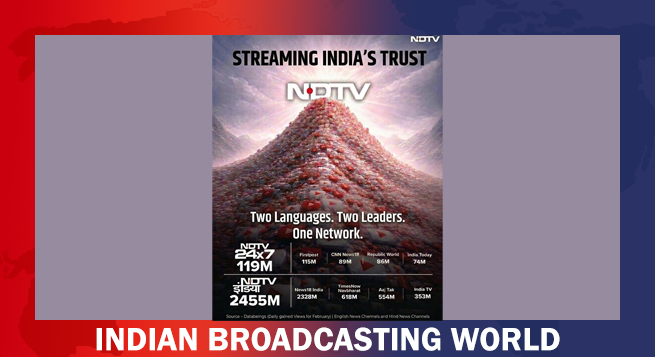 NDTV India, NDTV 24×7 lead YouTube viewership amid major news cycle
 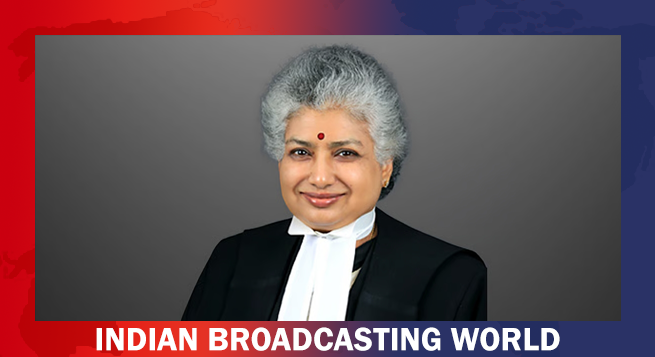 SC judge Nagarathna says media can’t perform under constraint
 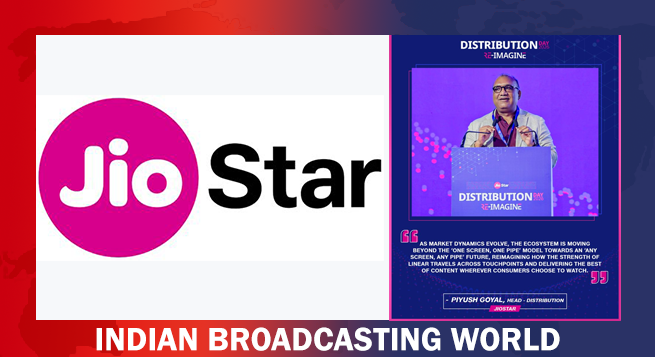 JioStar’s Piyush Goyal outlines vision for ‘Any Screen, Any Pipe’ future of TV
  ‘Scary Movie’ returns with 6th instalment, set for June release
 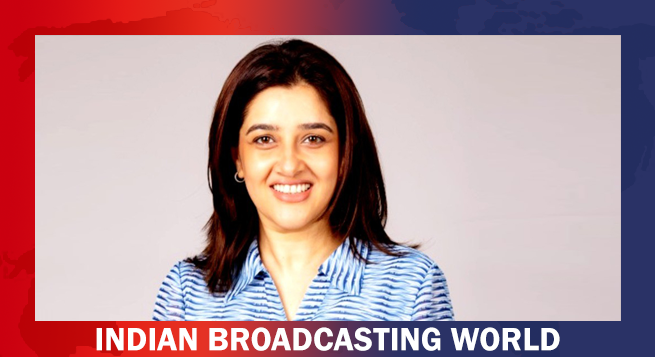 WPP Media elevates Dipti Gulati as APMEA VP for Client Growth
  Apple TV cancels Kristen Wiig-led comedy ‘Palm Royale’
 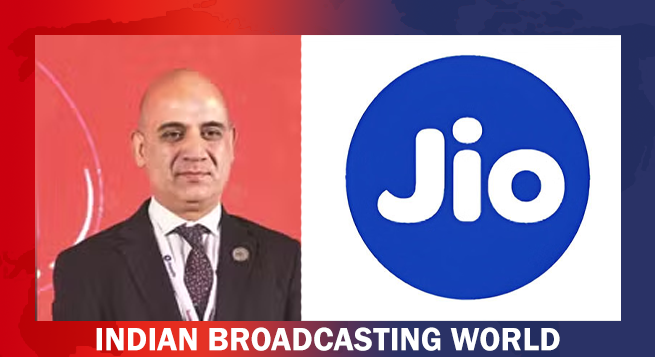 Jio Platforms appoints Dan Bailey as prez to drive global expansion
 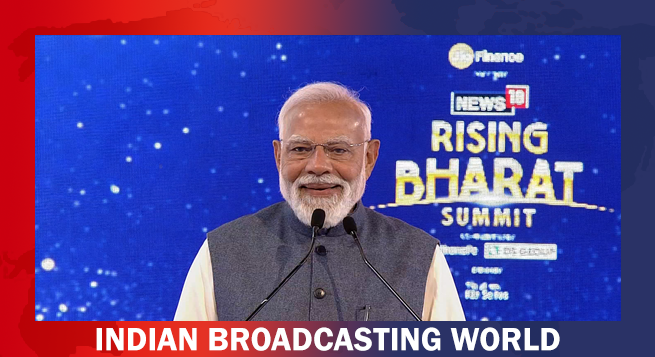 Rising Bharat ’26: PM outlined vision of self-reliance, AI leadership



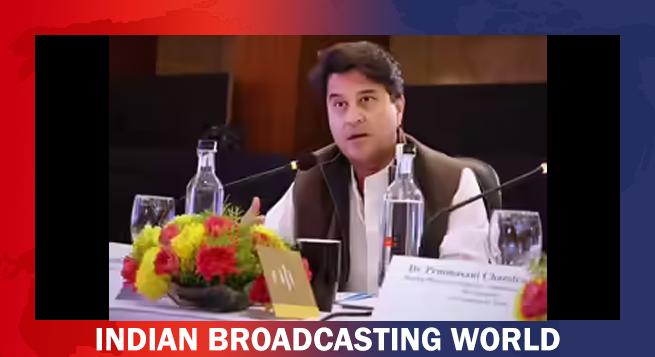
India has emerged as the world’s second-largest 5G subscriber base, trailing only China, with more than 400 million users now on the next-generation network, Minister of Communications Jyotiraditya Scindia said yesterday, highlighting the pace of adoption here is also among the fastest globally setting new benchmarks in scale, speed and digital transformation.
According to an ANI report, the Minister shared the milestone in a post on X, stating, “With over 400M+ 5G users, India today stands as the world’s second-largest 5G subscriber base and among the fastest adopters globally.” He underlined how the country’s rapid rollout reflects its growing digital maturity and expanding telecom infrastructure.
Since the launch of 5G services in 2022, coverage has expanded at an unprecedented pace. The network is now available across nearly the entire country, with a coverage footprint of 99.6 percent and population coverage touching 85 per cent.
Data released by the Ministry of Communications in December 2025 shows that, as of March 2025, telecom service providers had installed 4.69 lakh 5G base transceiver stations (BTSs) nationwide, making it one of the fastest 5G rollouts anywhere in the world.
The ministry added that since the introduction of 5G, around 25 crore (250 million) mobile users have migrated to the new network, underscoring strong consumer adoption. Alongside urban expansion, rural connectivity has also seen significant gains.
Rural telephone connections grew by 42.9 per cent — nearly double the growth rate in urban areas — rising from 377.78 million in March 2014 to 539.83 million by September 2025.
India’s broader digital push is reflected in internet usage as well. The number of internet connections has crossed the 100-crore mark, reaching 100.29 crore, compared to 25.15 crore in March 2014. This represents a growth of nearly 299 per cent over the last decade, driven by affordable data, wider network reach and increasing smartphone penetration.


I wish to offer technical perspective on Indian telecom growth story. There is variation in 5G network reach of different operators like JIO, AIRTEL, Vodafone etc. Reason being differing network strategies employed by Telecom operators. Jio runs a fully standalone 5G network (SA mode), handling both internet data and voice calls entirely on 5G, enabling broader nationwide rollout including smaller towns. In contrast, Airtel and Vodafone mainly use 5G Non-Standalone (NSA) mode, where their existing 4G networks manage voice calls and basic data, while 5G boosts only high-speed internet in targeted high-demand spots. In 5G NSA mode, 5G network works in conjunction with 4G network whereas in 5G SA mode, there is no involvement of 4G network. Therefore, Airtel/Vodafone (NSA): 5G visible mainly in dense cities like Delhi, Mumbai for premium data speeds. On other hand, Jio (SA): Ubiquitous coverage as 5G handles all services, reaching rural/semi-urban too. This phased NSA→SA approach reflects India’s price-sensitive market, prioritizing high-traffic ROI first as telecom operators initially cannot afford high cost of fully 5G SA mode infrastructure that requires phasing out all existing 4G base stations[Technically goes by”eNB”].