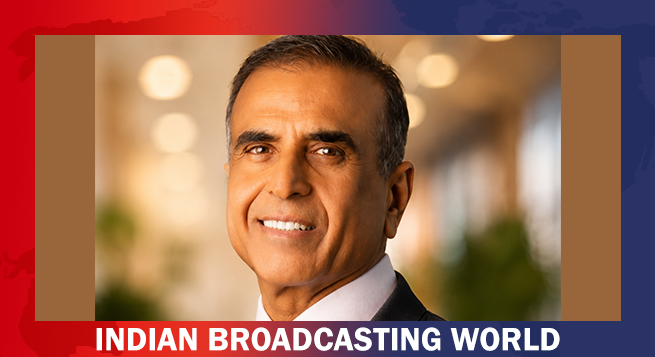
 Sunil Mittal says OneWeb ahead of Musk in Indian approval queue
 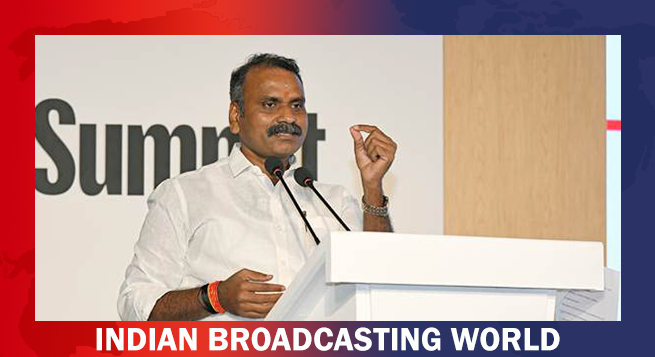 Murugan resigns from Cabinet as Mos MIB & Rajya Sabha
  Broadcasters flag HD-SD conversion, satellite spectrum concerns in submission to MIB on telecom rules 2026
  MIB seeks dismissal of AIDCF plea against WAVES, says OTT rules differ from TV
 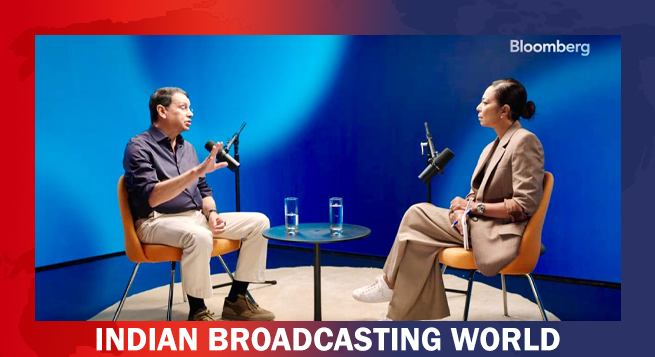 Uday Shankar: Indian M&E sector needs policy support to compete globally
 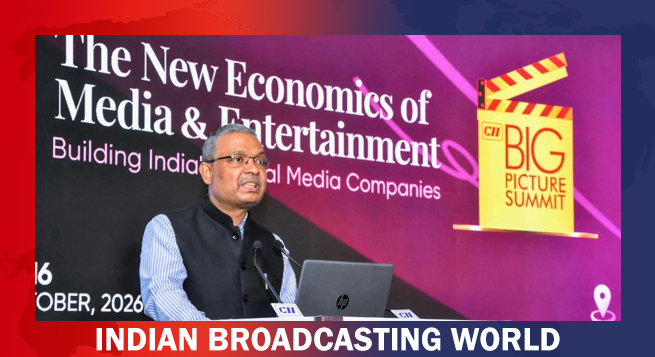 India’s media sector must create global brands, says MIB secy at CII Summit
  ‘The Love Hypothesis’, ‘Carrie’ lead Prime Video’s weekly global rankings
 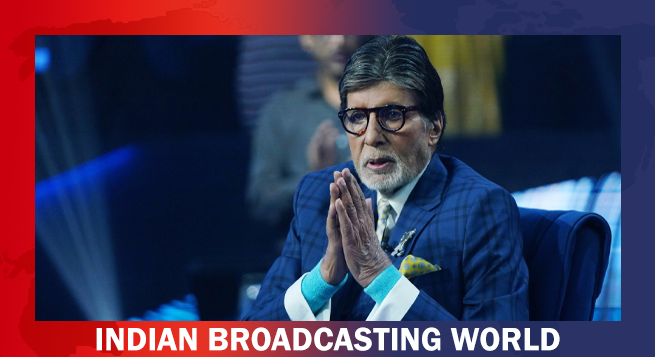 Amitabh Bachchan recalls Allahabad’s famous milk jalebis on ‘KBC 18’
  Prime Video announces weekly line-up of Indian, global shows & series
 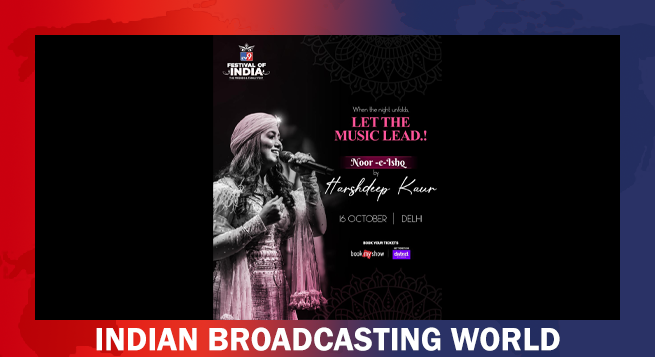 Harshdeep Kaur to open TV9 Festival of India 2026 Oct 16



New Delhi’s planned “Intermediary Guidelines and Digital Media Ethics Code” – a copy of which was seen by Reuters – come as various nations around the world try to assert tighter control over powerful Big Tech firms.
Facebook faced a global backlash from publishers and politicians last week after blocking news feeds in Australia in a dispute with the government over revenue-sharing.
According to a Reuters dispatch, in India, Twitter ignored orders to remove content over farmers’ protests, fuelling the zeal of Prime Minister Narendra Modi’s government since 2018 to tighten regulation for content it deems disinformation or unlawful.
The latest draft rules, which would be legally enforcable, say companies should remove content as early as possible, but not later than 36 hours, after a government or legal order.
They must also assist in investigations or other cyber security-related incidents within 72 hours of a request. Further, if a post depicts an individual in any sexual act or conduct, then companies must disable or remove such content within a day of receiving a complaint, the rules added.
Facebook did not immediately respond to a request for comment. Twitter, which did not take down all accounts the government alleged were spreading lies about the protests over agricultural reforms, declined to comment.
The draft proposal also requires companies to appoint a chief compliance officer, another executive for coordinating on law enforcement and a “grievance redress also officer”. All must be resident Indian citizens, Reuters reported.
The Ministry of Electronics and Information Technology did not immediately respond to a request for comment.
It was unclear when the rules would be announced or if they may undergo further changes.
Industry sources say new regulations could hit big tech firms’ investment plans in India and increase compliance headaches. The rules would also apply across other digital and online media, the draft proposal said.
“A publisher shall take into consideration India’s multi-racial and multi-religious context and exercise due caution and discretion when featuring the activities, beliefs, practices, or views of any racial or religious group,” the draft rules said.
Referring to films and other entertainment, including web-based serials, the draft rules called for a “classification rating” to describe content and advise discretion.
Streaming platforms such as Netflix and Amazon Prime have faced complaints in India for obscenity.
 |
ReplyReply allForward
|