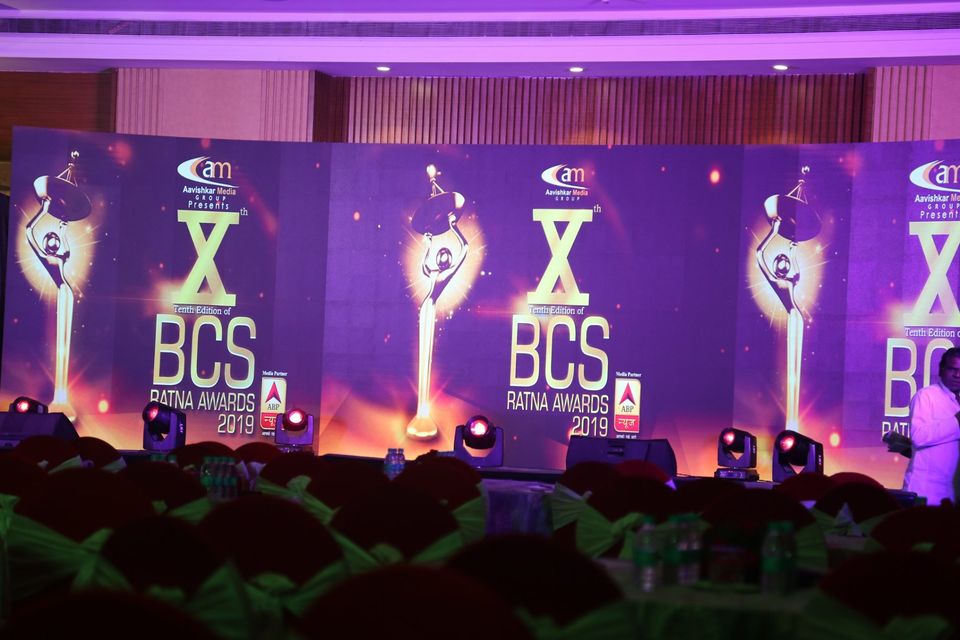
 Distribution paradigms shifting, but audience remains ‘king’ Prasar Bharati CEO
  SATCAB ’26 opens with lively discussion on rules, news, multi-screen measurement
  Govt starts initiatives on AI skilling, MYWAVES, FreeDish tuners
 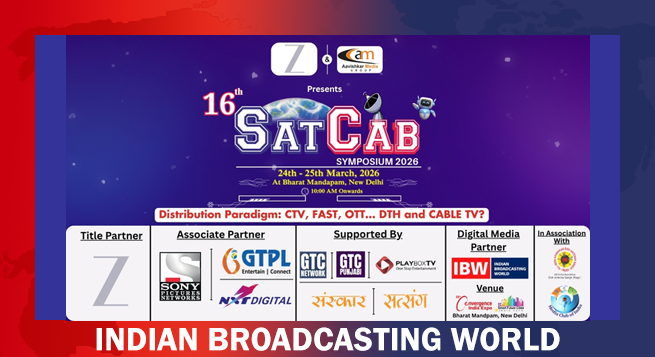 SATCAB 2026 to spotlight future of broadcasting, OTT, digital media
  TLC to premiere ‘World On My Plate with Shipra Khanna’ on March 29
  Zee Business brings back Wealth Creation Week amid market volatility
  Ultra Jhakaas OTT brings Marathi theatre to screens with ‘Teesri Ghanta’
  Convergence India Expo 2026 concludes with strong global tech showcase
  Moneycontrol hosts Global Wealth Summit 2026 with focus on markets



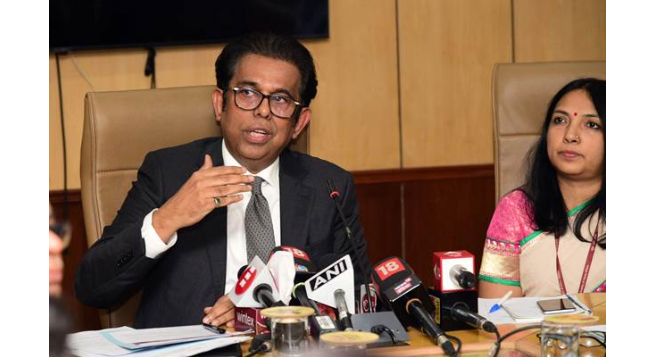
India launched a crackdown on Monday against fake consumer reviews and unverified ratings in a bid to make the online world and e-commerce more authentic and less misleading for users.
The government has drafted guidelines for companies from Alphabet Inc’s Google, Meta Platform’s Facebook and Instagram and Amazon.com Inc. to travel sites and food delivery apps that depend on reviews to validate products and services. Positive reviews help generate sales and interest from potential buyers.
According to a government statement on Monday, Rohit Kumar Singh, Secretary, Department of Consumer Affairs, along with senior officers of the department and Bureau of Indian Standards (BIS), launched the framework titled Indian Standard (IS) 19000:2022 ‘Online Consumer Reviews — Principles and Requirements for their Collection, Moderation and Publication’.
The standards will be applicable to every online platform that publishes consumer reviews.
The standard will initially be voluntary for compliance by all e-commerce platforms. BIS will also develop a Conformity Assessment Scheme for the standard to assess compliance.
The guiding principles of the standard are integrity, accuracy, privacy, security, transparency, accessibility and responsiveness. The standard prescribes specific responsibilities for the review author and the review administrator. For review authors, these include confirming acceptance of terms and conditions, providing contact information and for review administrators, these include safeguarding personal information and training of staff, the statement said.
Once made mandatory, if required, the violation of the standards by any entity may be considered as an unfair trade practice or violation of consumer rights and a consumer may submit such grievances to the National Consumer Helpline, Consumer Commissions or the CCPA.
The standard provides for responsibilities of organizations, including developing a code of practice and necessary stipulations for terms and conditions like accessibility, criteria and ensuring content does not contain financial information and other such details.
The standard also provides for methods for verification of the reviewer through email address, identification by telephone call or SMS, confirming registration by clicking on a link, using captcha system, etc. to check traceability and genuineness of the reviewer.
The government said that over the last few years, there has been a steady rise in e-commerce transactions across the country. Reviews posted online play a significant role in making purchase decisions and consumers exceedingly rely on reviews posted on e-commerce platforms to see the opinion and experience of users who have already purchased the goods or services. Given that e-commerce involves a virtual shopping experience without any opportunity to physically view or examine the product, it is essential that reviews are genuine, authentic and trustworthy.