 News body NBDA seeks journalistic exemption under digital data rules
 ‘Ramayana’ producer Malhotra likens film to ‘Avatar’, ‘LOTR’, ‘Odyssey’
 Bombay HC protects ‘Ramayana’ from piracy
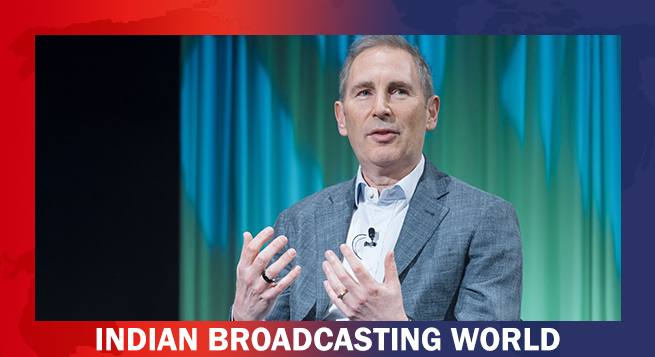 CEO Jassy says Prime Video gains profit; bullish on ad momentum
 JioStar Q2 revenue up 10.1% to Rs 6,806cr. despite weak ad environ
 Google brings AI Mode ads to India, 9 other markets
 SLL’s ‘Something in the Rain’ gets Indian adaptation ‘Shayad Yahi Hai Pyaar’
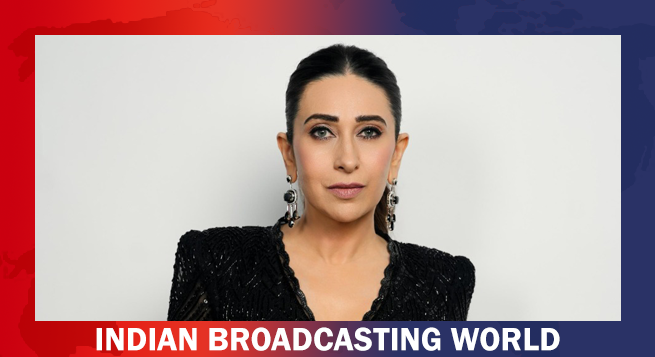 Karisma Kapoor praises Nihal Tauro’s voice on Indian Idol legends return
 Prime Video reveals top 10 movies, shows
 Shemaroo TV unveils four-part Diwali special on stories behind festive traditions
 ‘Jailer 2’ to premiere on Prime Video on Nov 12





The head of the Federal Communications Commission has introduced a proposal to require political advertisers to disclose when they use content generated by artificial intelligence in broadcast television and radio ads.
If adopted by the five-person commission, the proposal, introduced on May 22, would add a layer of transparency that many lawmakers and AI experts have been calling for as rapidly advancing generative AI tools churn out lifelike images, videos and audio clips that threaten to mislead voters in the upcoming US election, AP reported from New York yesterday.
Yet the nation’s top telecommunications regulator would only have authority over TV, radio and some cable providers. The new rules, if adopted, would not cover the tremendous growth in advertising on digital and streaming platforms.
“As artificial intelligence tools become more accessible, the commission wants to make sure consumers are fully informed when the technology is used,” FCC chair Jessica Rosenworcel said in a statement Wednesday.
“Today, I’ve shared with my colleagues a proposal that makes clear consumers have a right to know when AI tools are being used in the political ads they see, and I hope they swiftly act on this issue,” she added.
The proposal marks the second time this year that the Commission has begun taking significant steps to combat the growing use of artificial intelligence tools in political communications. The FCC earlier confirmed that tools in robocalls are banned under existing law.
If adopted, the proposal would ask broadcasters to verify with political advertisers whether their content was generated using AI tools, such as text-to-image creators or voice-cloning software. The FCC has authority over political advertising on broadcast channels under the 2002 Bipartisan Campaign Reform Act.
Left for commissioners to discuss are several details of the proposal, including whether broadcasters would have to disclose AI-generated content in an on-air message or only in the TV or radio station’s political files, which are public. They also will be tasked with agreeing on a definition of AI-generated content, a challenge that has become fraught as retouching tools and other AI advancements become increasingly embedded in all kinds of creative software.
Rosenworcel hopes to have the regulations in place before the election.