 ‘Ramayana’ producer Malhotra likens film to ‘Avatar’, ‘LOTR’, ‘Odyssey’
 Bombay HC protects ‘Ramayana’ from piracy
 CEO Jassy says Prime Video gains profit; bullish on ad momentum
 JioStar Q2 revenue up 10.1% to Rs 6,806cr. despite weak ad environ
 Google brings AI Mode ads to India, 9 other markets
 Of Jio listing, tears, party…and RIL’s combined $320bn market cap
 ITU says despite 6.3bn people now online digital divide persists
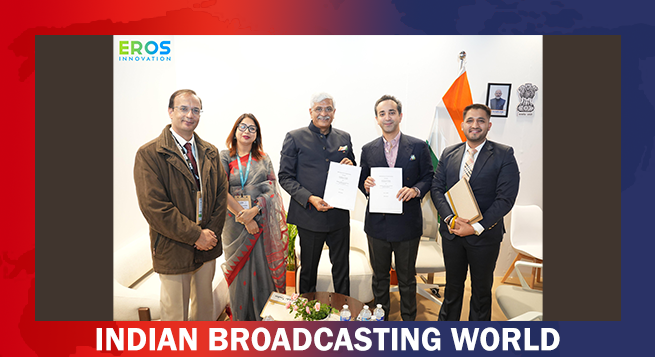 Eros Innovation, Tourism Ministry sign pact for 50 promo films
 Is Jio exploring tech-for-equity deals with US’ Comcast, Charter Comms?
 Much anticipated ‘Ramayana’ targets Rs 75-100cr. opening
 NBCUniversal invests in microdrama platform Story TV’s parent EloElo





The News Broadcasters and Digital Association or the NBDA has requested the government to provide a specific statutory exemption for journalistic activities under the Digital Personal Data Protection (DPDP) Act, 2023 even as another news body DNPA moved India’s top court late October seeking directives to protect scribes’ rights.
The NBDA said yesterday in a statement that it has written to Minister for Electronics and Information Technology and Information & Broadcasting Ashwini Vaishnaw seeking legal protection for journalists while reporting on matters of public interest.
According to the statement, while welcoming the government’s assurance that it does not intend to restrict journalistic freedom, DNPA said it has requested that this assurance be given legal backing before the main obligations under the DPDP Act come into effect.
Some of the staggered compliance deadlines enumerated under the DPDP Act are coming up soon.
NBDA said it supports the protection of personal data and recognises the importance of respecting people’s privacy. However, it believes the DPDP Act does not adequately address the specific circumstances journalists face while collecting, verifying, retaining and publishing information in the public interest.
The Association highlighted several concerns about the law. It said that requiring journalists to seek consent from people under investigation could alert them, allow them to withhold consent, expose confidential sources or lead to the destruction of evidence.
NBDA also raised concerns that people could use consent withdrawal and requests for data erasure to seek the removal of accurate news reports or related records.
It added that information-gathering powers under the law could lead to demands for details that may reveal confidential sources or unpublished investigations.
The association further said that the existing exclusions and provisions for legitimate data use under the DPDP Act are limited and do not provide a general exemption for public interest journalism.
It also expressed concern that the law could be misused to put pressure on journalists and news organisations. NBDA described the penalties prescribed under the Act as extremely harsh and burdensome.
NBDA also pointed out that the DPDP Act differs from the recommendations of the Justice B.N. Srikrishna Committee Report and provisions in other data protection frameworks.
It specifically referred to Article 85 of the European Union’s General Data Protection Regulation (GDPR), which provides for a balance between data protection and freedom of expression and information, including for journalistic purposes.
On October 27, the Supreme Court sought the Centre or the federal government’s response on a petition filed by the Digital News Publishers Association challenging the Digital Personal Data Protection (DPDP) Act, 2023 and the DPDP Rules, 2025.
The association, according to a PTI report, which represents 21 prominent news organisations, has said that the law carries no exemption for journalism, could cripple news gathering and dilute the citizen’s right to information.
Pending an amendment to the Act, NBDA has requested written clarification from the government on its position and any interim protection that can legally be provided under the existing law.