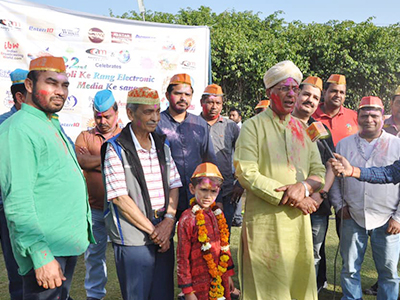
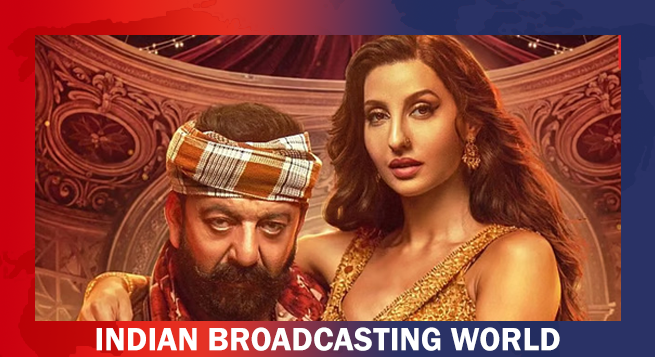
 NCW summons Nora, Sanjay Dutt, Badshah over obscene songs
  On vulgar song, CBFC clarifies digital content not certified by it
 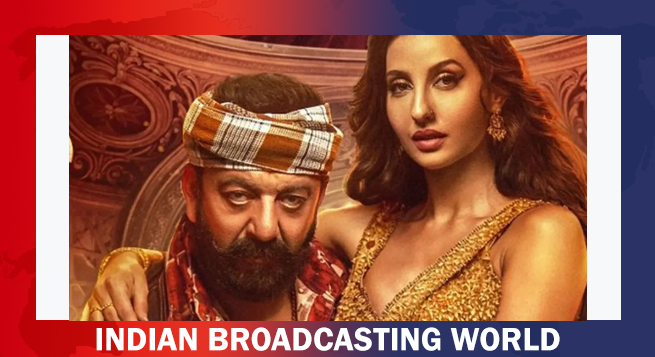 Sanjay Dutt, Norah Fatehi song in the eye of obscenity storm
  ‘Punha Ekda…’ to stream on Ultra Jhakaas from Mar 19
  Punjab unveils film promotion policy offering major subsidies
 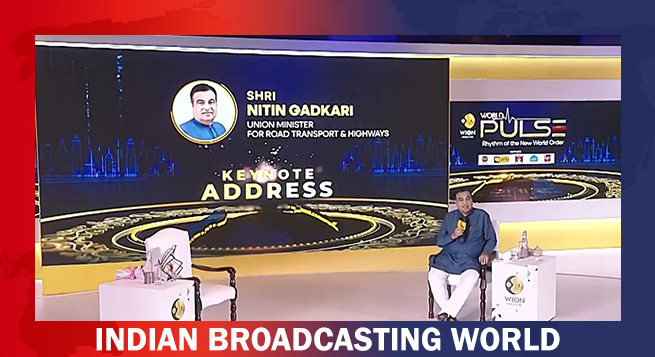 Transport sector triples to Rs.23 lakh cr, says Gadkari
  Studio9 debuts on OTT with Bengali thriller ‘Jazz City’
 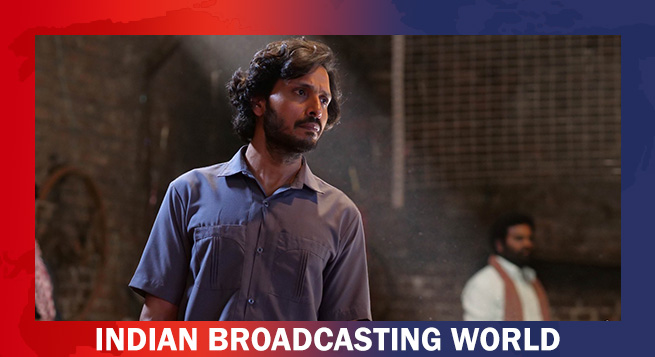 Kranti Prakash Jha says ‘fortunate’ to work with Nana Patekar in ‘Sankalp’
  Amagi unveils AI artwork engine to streamline streaming workflows
 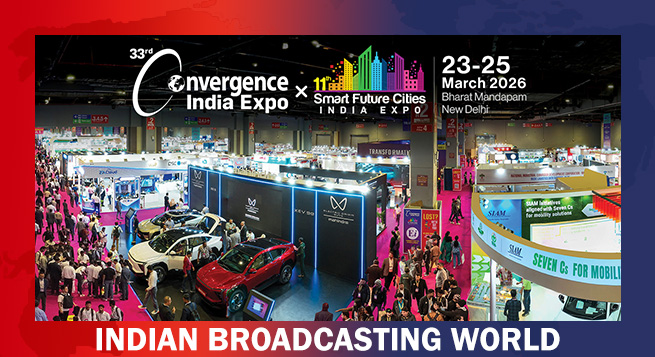 Convergence India Expo 2026 to spotlight AI, 6G and smart city innovation



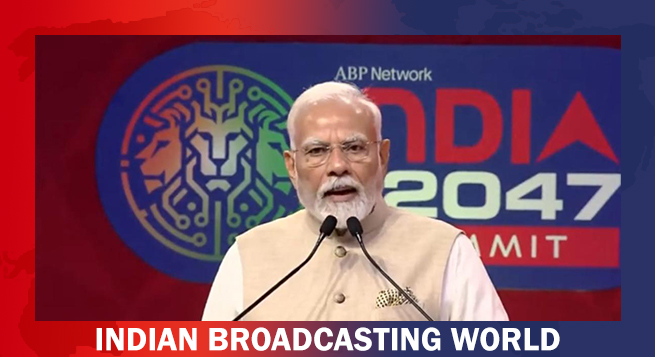
Prime Minister Narendra Modi on Tuesday addressed the ABP Network India@2047 Summit at Bharat Mandapam, New Delhi, where he unveiled a compelling vision of India’s transformation—past, present, and future—built on the bedrock of decisive governance, inclusive development, and deep-rooted democracy.
Marking a “historic moment,” PM Modi shared that India and the UK have successfully finalized a Free Trade Agreement (FTA)—a milestone he described as a win-win for both economies and a major boost for Indian MSMEs and youth. “It is a new chapter in global economic cooperation between two open-market democracies,” he said.
Drawing a sharp contrast with past indecisiveness, the Prime Minister asserted that bold reforms undertaken in the last decade were driven solely by the “Nation First” philosophy. “Gone are the days of delaying decisions due to political calculations. We believe in delivering, not deferring,” he emphasized.
Among the major reforms, he highlighted the transformation of India’s banking sector from near-collapse to profitability, citing mergers, NPAs reduction, and digital oversight. He also referenced the resurrection of Air India as an example of political will over populist hesitation.
On Direct Benefit Transfer (DBT), PM Modi revealed that his government identified and removed 10 crore fake beneficiaries, saving over Rs.3.5 lakh crore. “Earlier, only 15 percent of funds reached the poor; today, 100 percent reaches directly into their accounts,” he noted, hailing DBT as a revolutionary shift.
He also addressed key socio-political decisions previously avoided due to vote-bank politics—Triple Talaq abolition, Waqf Act reforms, One Rank One Pension, and 33 percent reservation for women in legislatures. “Every reform was about putting national interest above personal or political gain,” he declared.
PM Modi also introduced a philosophical pivot—from GDP-centric to GEP-centric (Gross Empowerment of People) growth. “When a poor family gets a pucca house or free healthcare, that’s empowerment, not just statistics,” he stated.
Citing the Digital India success story, Modi highlighted how smartphones have created new income streams. “YouTube has paid Rs.21,000 crore to Indian creators in three years—creativity is now a profession, not just a passion,” he said.
On manufacturing, the PM declared that self-reliance is India’s economic DNA. He showcased India’s rise in defense exports, mobile phone production, and solar energy. “From being a market, India is now a manufacturer. $825 billion in total exports last year is proof,” he said, introducing Mission Manufacturing as the next big leap.
He also pointed to India’s soft power—yoga, Ayurveda, and heritage—as assets that coexist with cutting-edge technology. “Vikas bhi, virasat bhi—India is showing how tradition and tech thrive together,” he remarked.
Concluding, PM Modi reiterated his belief in the power of Democracy to Deliver, citing the rise of 25 crore people from poverty, transformation of backward districts into aspirational ones, and the empowerment of tribal communities through PM Janman Yojana. “The decade ahead will shape centuries. And every Indian is playing a role in that journey,” he affirmed.