 Prasar Bharati holds copyright over content, govt clarifies in Parliament
  ‘One Battle…’, ‘Sinners’, Marty…’, begin Mar15 Oscars quest
  Govt admits ad code bars ‘miraculous’ claims in product ads
 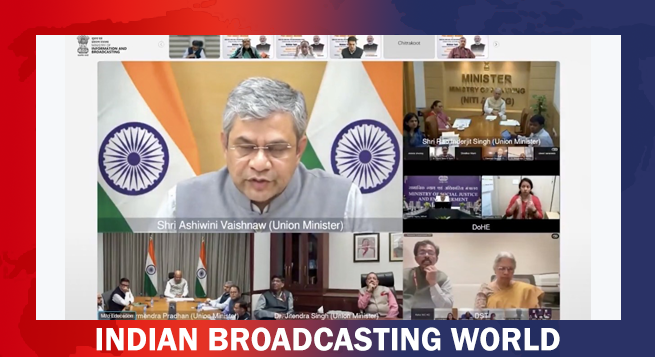 Vaishnaw: Creator economy offers citizens a democratic platform
 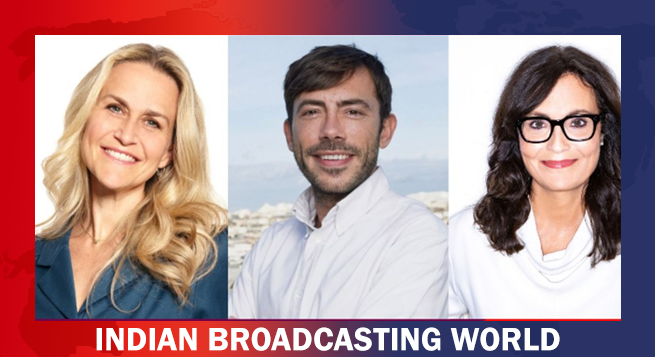 Prime Video, HBO Max executives to headline Series Mania Forum
 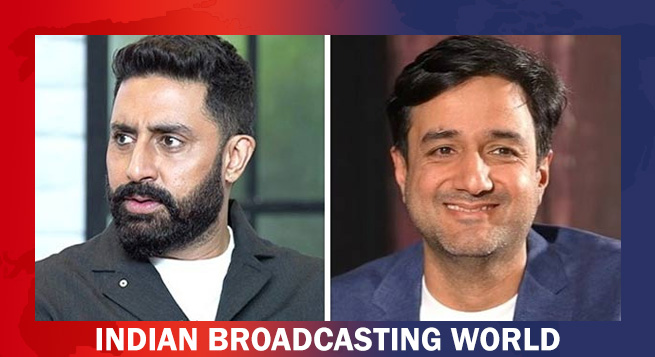 Siddharth Anand, Abhishek Bachchan team up for horror thriller
 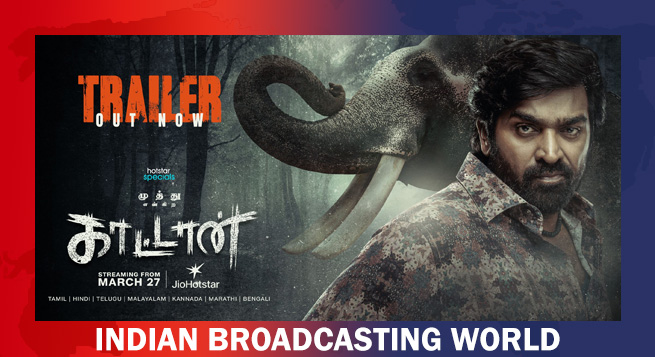 ‘Muthu Alias Kaattaan’ trailer unveiled
 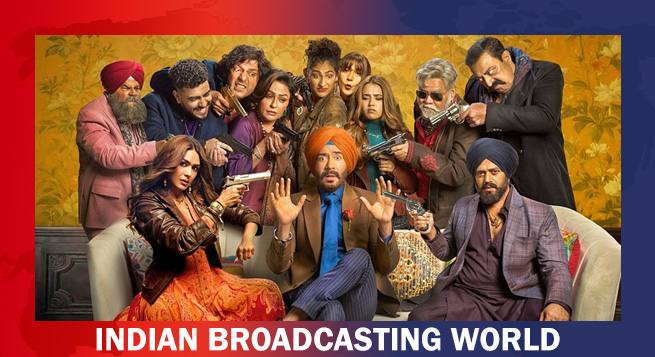 Star Gold to premiere ‘Son of Sardaar 2’ on television tomorrow
 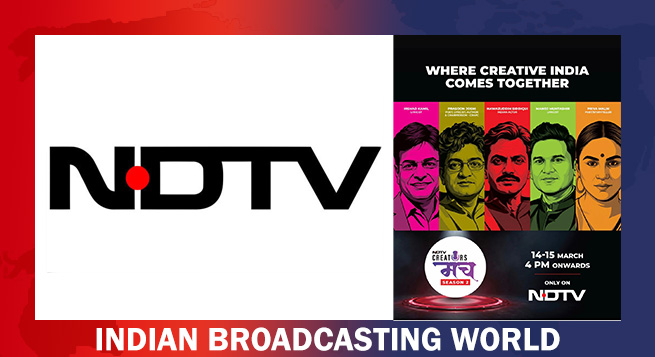 NDTV’s Creators Manch S2 to be held in Delhi on March 14–15
 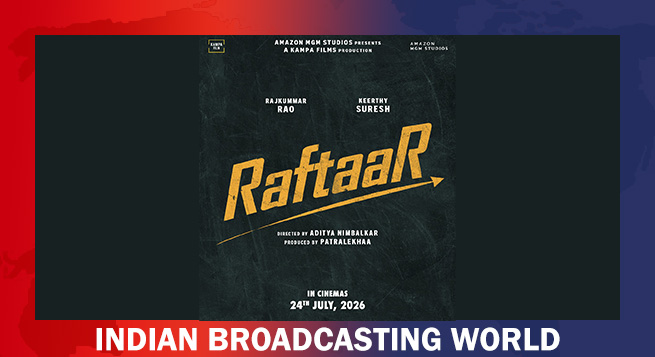 ‘Raftaar’ set for theatrical release on July 24



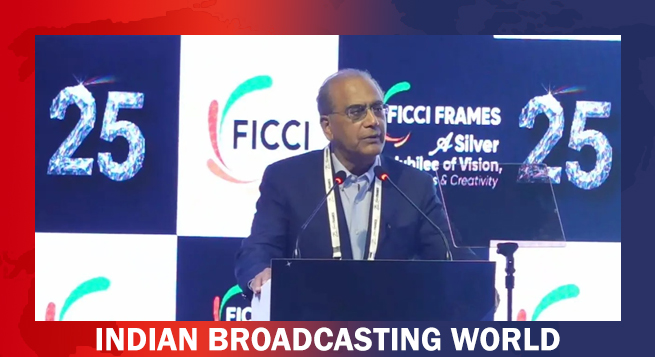
At the prestigious FICCI Frames event in Mumbai today, the India Today Group’s chairman and media veteran Aroon Purie, addressed the evolving landscape of Indian media, underscoring how technological disruption, business pressures, and emerging platforms are reshaping journalism and content delivery in the country.
According to a press release from ITG, the media stalwart, reflecting on a 50-year-long career, noted that disruption is the only constant in media.
From the early days of India Today magazine with a peak readership of 5 million to the group’s current portfolio spanning four 24-hour news channels and over 60 digital, mobile, and social media entities reaching 750 million viewers, readers, and followers, each wave of disruption created new opportunities—and new challenges. The launch of India’s first AI news anchor, ‘SANA’, was highlighted as an example of embracing innovation in content delivery.
Speaking at length about the structural challenges in media business models, he pointed out that while India boasts over 140,000 registered publications and more than 375 24-hour news channels, the bulk of news consumption remains free, leaving publishers reliant on advertising revenue. This dependency, he cautioned, often threatens editorial independence. “When journalism’s survival depends almost entirely on advertising from corporations and governments, its independence is under a constant threat of compromise,” he said. He also drew attention to the rise of large industrial houses entering news media for influence, which he termed a danger to both profitability and credibility.
The veteran media leader critiqued digital platforms like Google, Facebook, YouTube, and Twitter for becoming the new gatekeepers of information. While these platforms do not produce journalism themselves, their control over distribution and monetization has shifted power from publishers to algorithms, favoring speed and virality over accuracy and depth. He noted that digital advertising now accounts for 55 percent of total media revenue, leaving traditional media companies with only a fraction of revenue despite producing credible, professionally reported news.
Looking ahead, he emphasized that Artificial Intelligence represents the next major disruption, posing existential challenges for news organizations as AI aggregates and synthesizes content without credit or compensation for original reporting. He urged the industry to innovate not only in content but also in sustainable business models, advocating for subscription-based approaches that recognize credible journalism as a public good.
Concluding his address, he reminded the audience of the enduring value of storytelling: “Ultimately, we are storytellers. Humanity survives on the stories we tell each other. The future of truth in India, and indeed the health of our democracy, depends on it.”
The address resonated with media professionals and policymakers alike, presenting a stark yet inspiring reflection on the past, present, and future of Indian journalism.