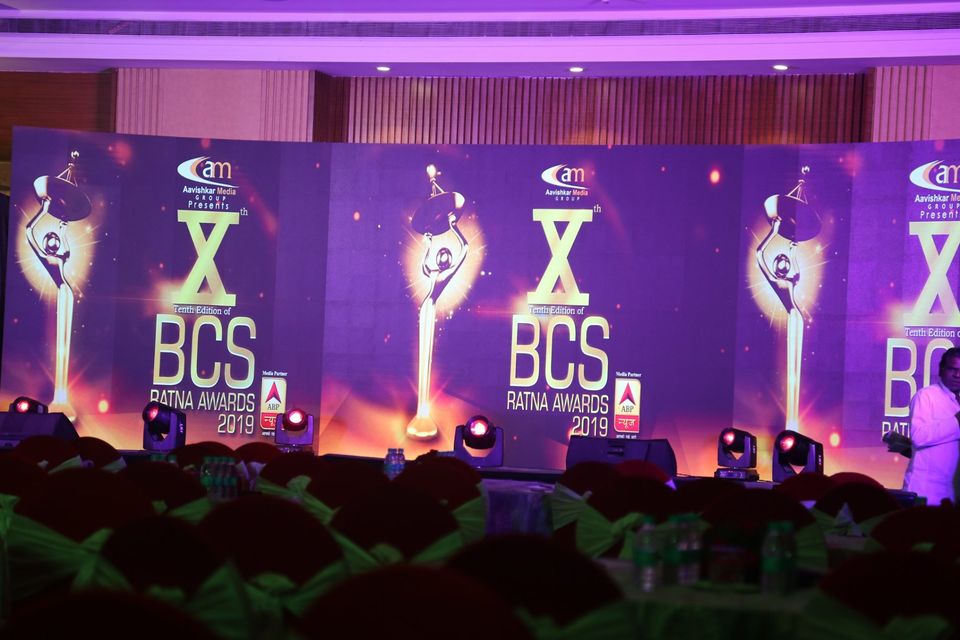
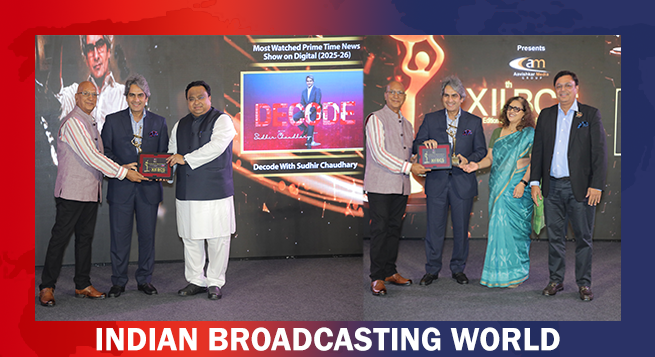
 Sudhir Chaudhary wins two big Honours at XIIᵗʰ BCS Ratna Award 2026
 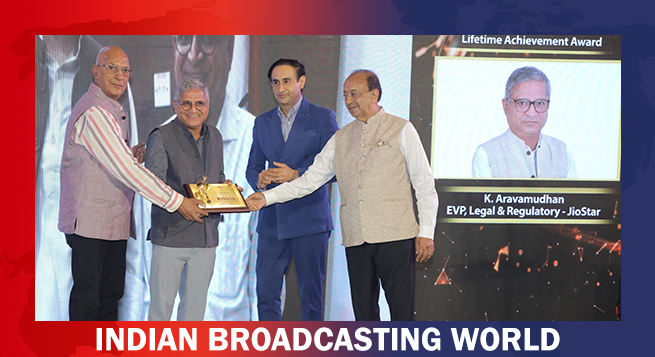 12th BCS Ratna Award: JioStar’s Aravamudhan is Lifetime Achievement honouree
 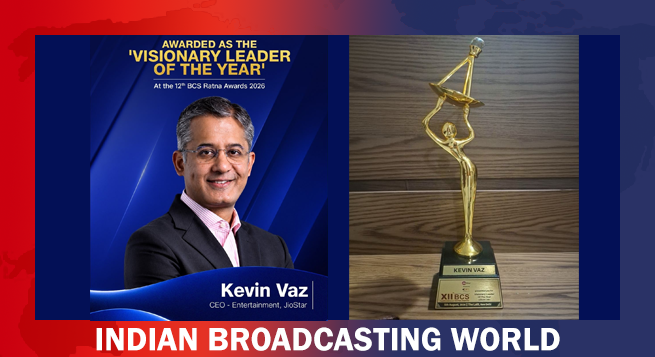 XIIth BCS Ratna Award : JioStar CEO Entertainment Kevin Vaz honoured
 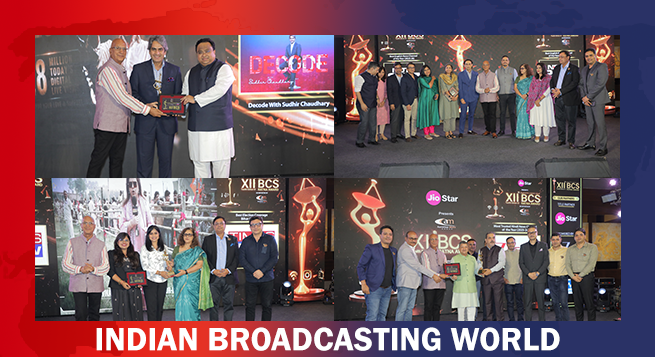 XIIth BCS Ratna Award 2026: Media achievers honoured
 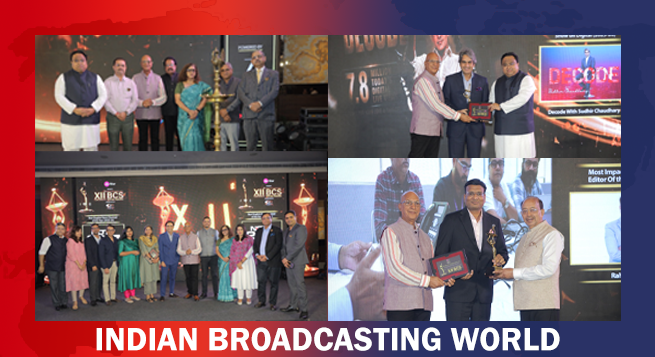 12th BCS Ratna Award a roaring success; honours excellence in M&E
 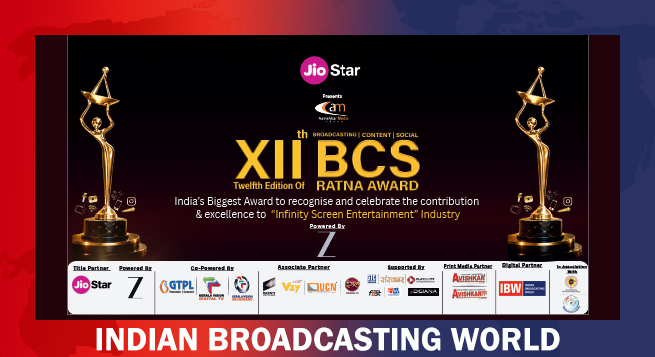 Twelfth BCS Ratna Award boasts stellar lineup; to be held on Aug 5
 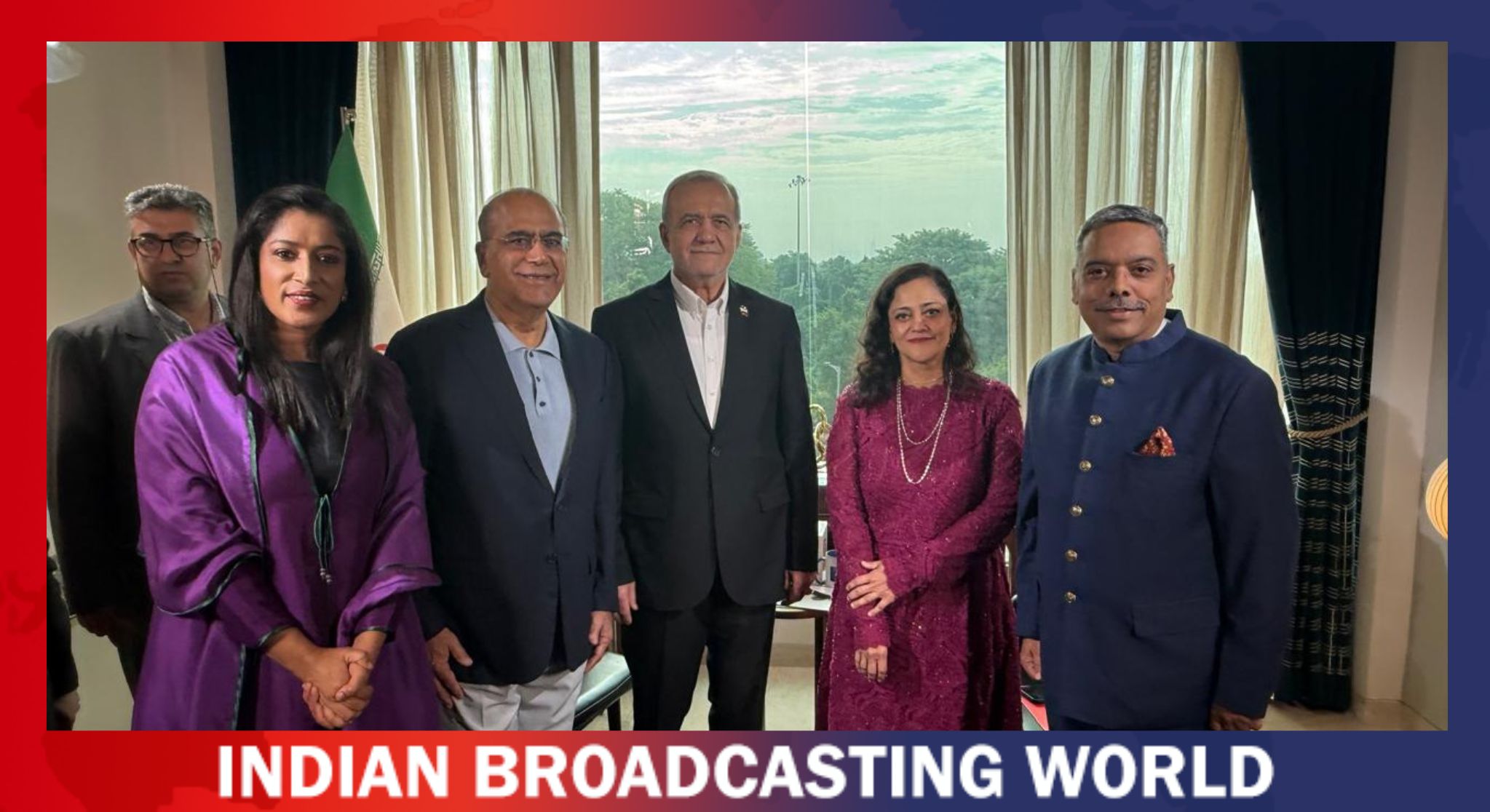 Pezeshkian gives exclusive interview to India Today
 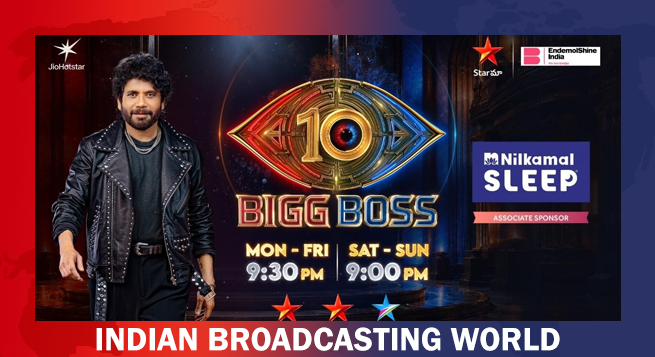 Nilkamal Sleep joins ‘Bigg Boss Telugu’ as associate sponsor
  ‘Haiwaan’ earns Rs 4.60 crore on release day
  Netflix highlights new technology at IBC 2026
  Apple TV’s ‘Being Heumann’ opens TIFF


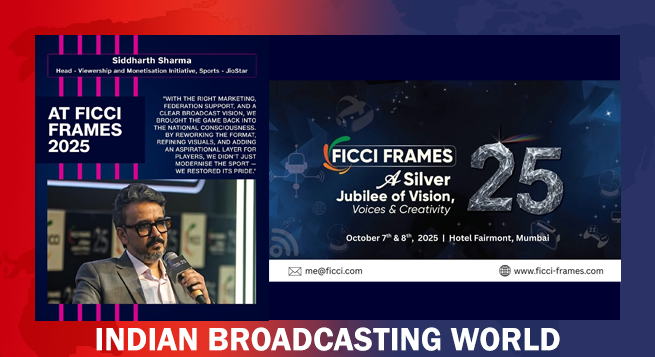
At FICCI Frames 2025, Siddharth Sharma, Head of Viewership & Monetisation – Sports at JioStar, offered an insightful perspective on how live sports, broadcast, and technology are converging to redefine the future of India’s media and entertainment landscape.
Speaking during a panel discussion titled ‘Cricketainment and Beyond – The Power of Live that Fuels M&E’, Sharma shed light on the evolving relationship between sports and the broadcast medium, emphasizing that it has transformed from being a mere channel of delivery to becoming a powerful catalyst that shapes how India experiences sport.
Tracing the evolution of sports viewing, Sharma noted that the journey from radio commentary to today’s highly personalized digital experiences reflects a monumental shift in audience behaviour. “From the days when people crowded around a single TV set in 1983 to now, when every fan can curate their own viewing experience, the evolution has been extraordinary,” he said. “Viewers today decide how, when, and where they watch—and that empowerment is transforming the very definition of fandom.”
The session, as covered in the event’s press release, also highlighted how emerging technologies like artificial intelligence, data analytics, and interactivity are revolutionizing how sports are consumed. Sharma pointed out that tools like multilingual commentary, alternate camera angles, and second-screen engagement are creating immersive, participatory experiences that make audiences active contributors to the live narrative. “Audiences are no longer passive spectators; they’re part of the storytelling. That is the true power of live,” he said.
Drawing from JioStar’s journey with indigenous sports, Sharma spoke passionately about kabaddi, describing it as a model for how traditional Indian sports can be reimagined for modern audiences. “Kabaddi is very close to my heart,” he shared. “When we started, there was cynicism—people thought the sport was outdated or forgotten. But through strong marketing, an authentic product, and the efforts of the Federation, kabaddi captured the nation’s imagination and became the second most-watched sport in India.”
He went on to explain how the sport’s revival was supported by deep-rooted community participation that had long gone unnoticed. “Even around Mumbai, there were thousands of kabaddi clubs, but they lacked exposure, structure, and the broadcast strength that we brought to it,” Sharma recalled.
The creative collaboration with the Federation, he said, allowed them to enhance the viewing experience while maintaining the sport’s authenticity. “We tweaked rules to add drama—like the 30-second raid—designed mats that complemented team jerseys, and built a fresh visual and narrative identity for kabaddi,” he explained. “All this was done without changing its soul, while giving players the pride and visibility they deserved. When you elevate the competition, you automatically attract audiences.”
Concluding his remarks, Sharma emphasized that the fusion of live sports, technology, and storytelling is driving India’s sports economy into its next growth phase. “Broadcast is no longer just a medium,” he said. “It’s the engine powering the way India connects, competes, and celebrates sport.”