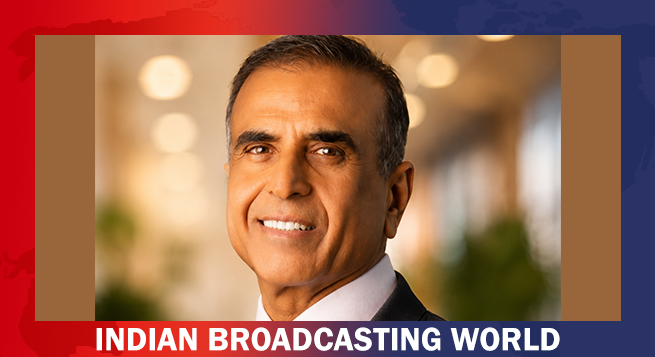
 Sunil Mittal says OneWeb ahead of Musk in Indian approval queue
 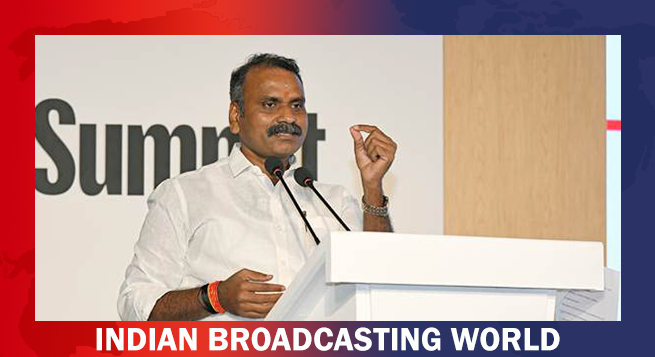 Murugan resigns from Cabinet as Mos MIB & Rajya Sabha
  Broadcasters flag HD-SD conversion, satellite spectrum concerns in submission to MIB on telecom rules 2026
  MIB seeks dismissal of AIDCF plea against WAVES, says OTT rules differ from TV
 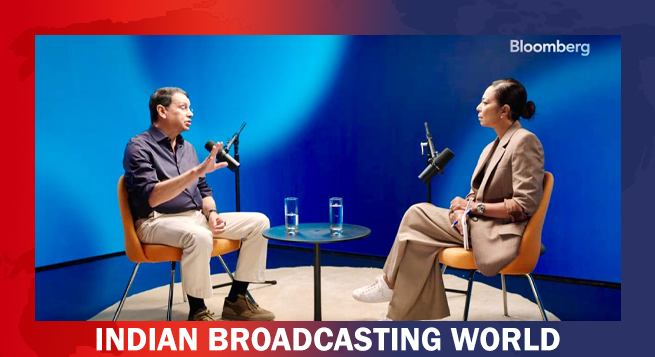 Uday Shankar: Indian M&E sector needs policy support to compete globally
 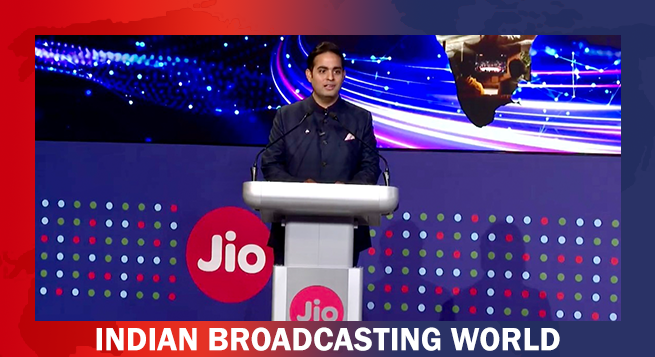 Akash Ambani banks on selling more services to up revenue
  Chanu, Dhanda, Sooryavanshi among CNN-News18 ‘IOTY’ sports nominees
 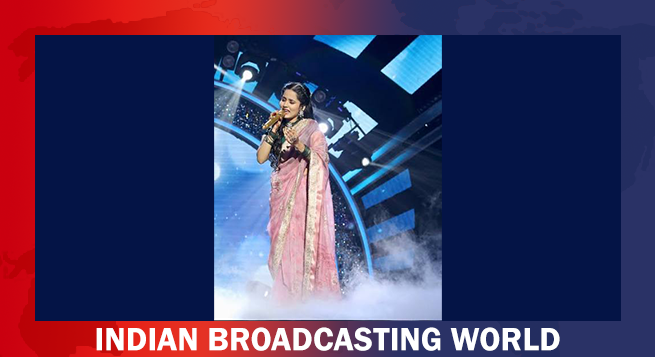 On ‘Legends Return’ Bidipta talks about growth after ‘Indian Idol’
  Ofcom study flags concerns over offensive language on air
  ISL says first 5 matches netted 65mn YouTube views; 52mn viewers




YouTube on Tuesday unveiled a new suite of artificial intelligence tools for creators, underscoring the platform’s push to expand its technological capabilities while continuing to position human creativity at the center of its growth strategy.
The video-sharing platform also revealed that it has paid out more than $100 billion to content makers over the past four years.
According to an AFP Report, YouTube chief executive Neal Mohan described AI as an “evolution” designed to empower storytelling and creative expression, not to replace it. “These are tools, nothing more. They are designed to foster human creativity,” Mohan said at an event in New York City, where he outlined how AI will shape the company’s next two decades.
YouTube, founded in 2005 by Chad Hurley, Jawed Karim, and Steve Chen, and acquired by Google in 2006, has grown into the world’s most popular free video service with billions of users. The latest rollout of AI features is intended to keep the platform competitive in an ecosystem increasingly shaped by TikTok and Instagram Reels.
Among the highlights is the integration of Veo, Google DeepMind’s advanced video generation AI, which will allow creators to add motion, restyle videos, create props, and generate dynamic backgrounds for Shorts. YouTube’s chief product officer Johanna Voolich said the new tools would also let users turn raw footage into draft video content or transform dialogue into music for soundtracks.
The platform is also betting big on cross-format creativity. One upcoming feature will enable creators to merge photos with videos, giving the impression that a person in a photograph is in motion. Podcasts will receive an AI push as well, with producers gaining the ability to generate video versions of audio-only broadcasts.
YouTube is also turning to AI for translation. The technology will not only provide subtitles but will make it appear as if the speaker is actually talking in another language, an innovation that could make global content more accessible.
In response to growing concerns over deepfakes, the company also announced plans for a new “likeness detection tool,” which will soon launch in beta. The feature is designed to help creators identify AI-generated videos that impersonate them, marking a proactive step in tackling the risks of synthetic media.
Industry analysts say the developments reflect YouTube’s attempt to balance innovation with responsibility. By equipping creators with AI-powered tools while also building safeguards, the platform is seeking to shape a future where technology amplifies, rather than diminishes, human creativity.