 JioStar Q2 revenue up 10.1% to Rs 6,806cr. despite weak ad environ
 Google brings AI Mode ads to India, 9 other markets
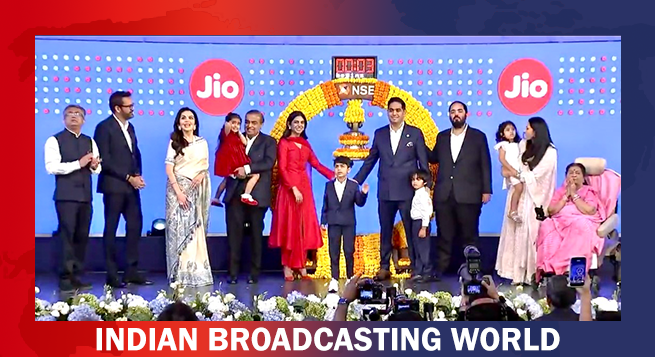 Of Jio listing, tears, party…and RIL’s combined $320bn market cap
 Guest Column: TRAI’s ALTD reccos a turning point for b’cast sector
 Indian publishers, including those owned by Ambani & Adani, challenge privacy laws
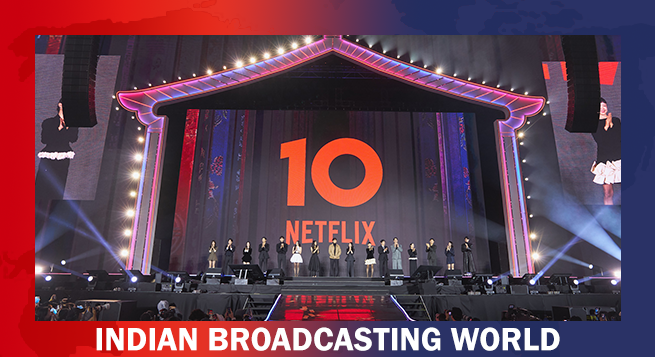 Netflix’s marks Korean decade as K-content rules non-English viewing
 India clears French firm’s 16.2% stake acquisition in Vodafone
 CEO Jassy says Prime Video gains profit; bullish on ad momentum
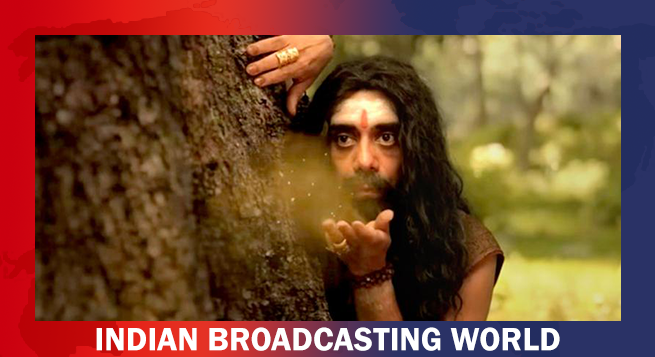 ‘Ramayana’ actor Saurabh ‘Marich’ Sachdeva dismisses criticism
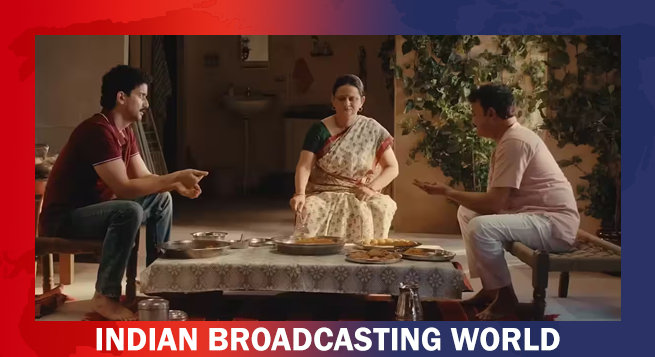 Spotify teams up with ‘Gullak’ cast for Diwali campaign
 Zee Telugu announces festive weekend line-up with Kutumbam Awards 2026





TV drama ‘Adolescence’ has shocked and captivated audiences around the world, providing what campaigners say is a rare opportunity to tackle the largely hidden world of online misogyny and violence.
Since its release on Netflix on March 13, more than 96 million people have watched the British four-episode series that begins with armed police raiding the home of a terrified 13-year-old boy accused of murdering a young girl, and ends with a raw illustration of the pain of his broken family.
It depicts a toxic online culture known loosely as the manosphere in which common teenage male insecurities about attractiveness and romantic failure can warp into resentment and hatred of the opposite sex, a Reuters report from London stated yesterday.
The action in between, with each hour-long episode shot in a dizzying single take, slowly destroys the initial disbelief that a child so young could commit such a violent crime.
“There are people who will watch it and go ‘but that boy couldn’t do that’. The point is that boy can do it,” said Susie McDonald, CEO of charity Tender that educates children and adults on healthy relationships
“Suddenly the possibility becomes normal, and so we begin to say, what on earth can we do to stop that from happening?,” she added.
The show is number one in the Netflix global Top 10 and heads the charts in almost every country — from Brazil to Bahrain — for which the streaming platform provides data.
“Although on the surface it feels like it’s a very British production … actually, the themes that it’s dealing with: what our children are doing online, what they’re listening to … I think that’s as important in America, as it is India, as it is Australia,” film critic Kaleem Aftab told Reuters.
Portuguese police produced a guide for parents to explain the hidden meaning of emojis used by young people — a plot component in the show. The Sydney Morning Herald produced a guide on how to talk to children more effectively than the parents in the programme.
British police urged parents to look for signs their child may be being radicalised online, using data showing 60 percent of referrals to its terrorism prevention system came from children aged 17 or under to highlight the scale of the wider problem.
‘Adolescence’ reached the home of British Prime Minister Keir Starmer, who watched it with his teenage son and daughter. “It hit home hard,” Starmer said in a statement, backing a scheme to make the show available to schools across the country and encouraging a national conversation on the issues it raises.
“This isn’t a challenge politicians can simply legislate for. Believe me, if I could pull a lever to solve it, I would,” he said.
The show has created a moment that campaigners, police and educators have been waiting for: a general public prepared to accept the uncomfortable truth that they do not know what their children are doing online, and that they all need help.
“This is the start of something. What we need to do as an education profession is make sure that we take advantage of that,” said Pepe Di’Iasio, General Secretary of Britain’s Association of School and College Leaders.
“This (show) is not going to solve the problem, but it’s enabled everybody to actually notice that there is a problem,” she said.