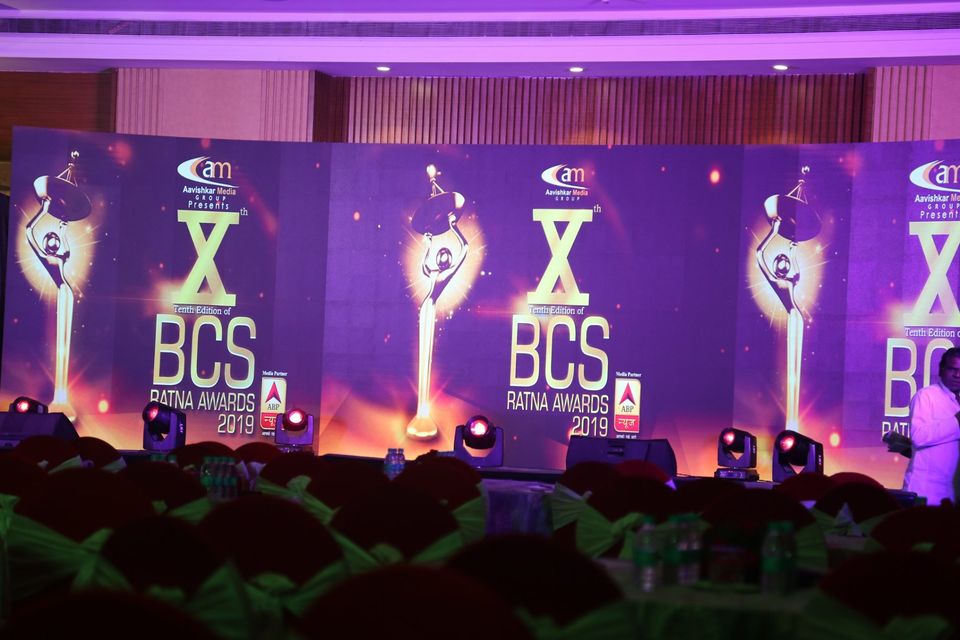
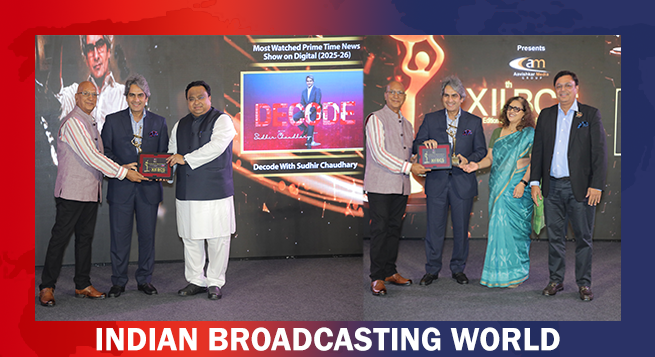
 Sudhir Chaudhary wins two big Honours at XIIᵗʰ BCS Ratna Award 2026
 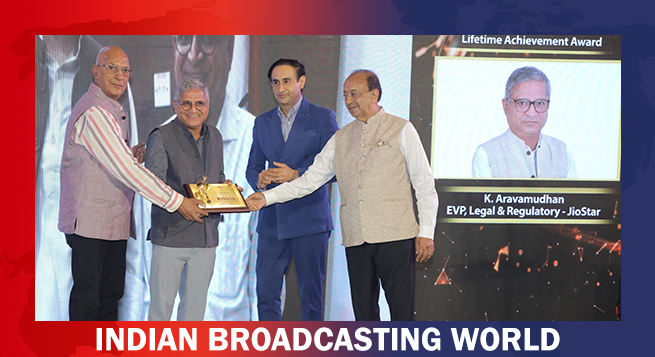 12th BCS Ratna Award: JioStar’s Aravamudhan is Lifetime Achievement honouree
  XIIth BCS Ratna Award : JioStar CEO Entertainment Kevin Vaz honoured
  XIIth BCS Ratna Award 2026: Media achievers honoured
 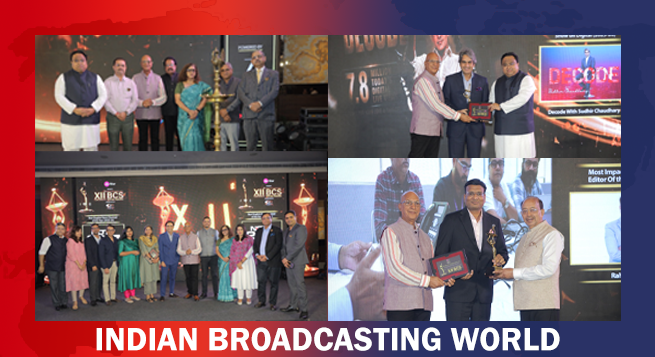 12th BCS Ratna Award a roaring success; honours excellence in M&E
  Twelfth BCS Ratna Award boasts stellar lineup; to be held on Aug 5
  BGMI 4.6 update adds ‘Midnight Hunters’ mode, new Kiaraa character
 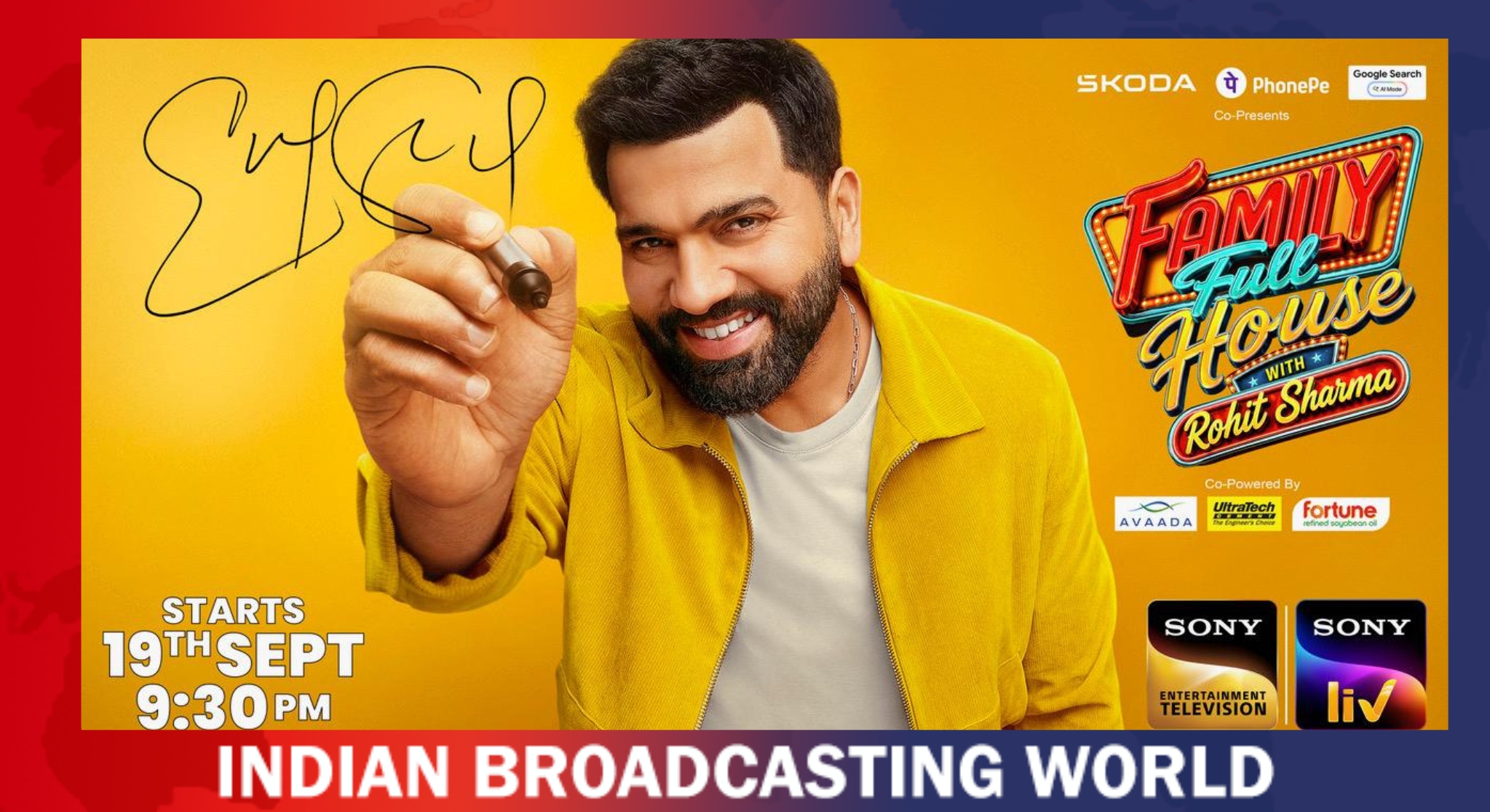 Rohit Sharma’s ‘Family Full House’ onboards major brands as sponsors
  Govt. notifies changes in film guidelines to combat drug abuse
  Senior journalist Sneha Mordani joins NDTV as Health Editor
  News18 India hosts today ‘Jazba’ to celebrate Indian sport



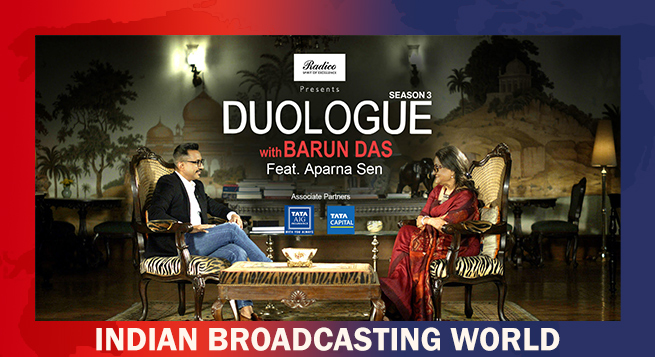
Hosted by Barun Das, MD & CEO of TV9 Network, ‘Duologue’ has emerged as a platform where legends from diverse domains engage in deep, candid and, often, surprising conversations. In this long-sought third episode, Aparna Sen unapologetically participates in the gripping conversation around societal norms, art of storytelling, feminism and the significance of her family legacy.
A vocal advocate for women’s empowerment, Sen reminisced about the controversies she courted in her youth, advocating for open conversations about relationships, sex education and personal choice — topics that were taboo during that era, but now resonate with modern feminist discourse.
“I said that I think, you know, it’s better for people to live together before marriage… and when I have children, I am not going to tell her not to go to bed with men because she is not going to listen to me. I am going to teach her about contraception,” she recalled, highlighting her progressive stance.
Her idea of marriage remains pragmatic as she believes in its values, yet recognizes the legitimacy of alternative family structures — from single parents to LGBTQ+ households, emphasizing emotional bonds over societal expectations.
“I still believe in marriage because it can work very well for some people. It provides companionship; it provides a very stable environment for children… but I don’t see it as the only possible alternative or option for a man and a woman to stay together today,” she opined.
Sen’s fearless approach extends to her career in cinema too. She recounted moments of backlash against her films, particularly ‘Paroma’, which faced criticism for its bold narrative on female agency. “I was terrified. Then two or three little old ladies came up to me and looked at this side and that side and they whispered, ‘Bless you, Live long’ in Bengali. So, I said, you know, these women obviously have been very deprived all their lives,” Sen reflected on the emotional impact of her work.
She shared that she refused to crop out even a single controversial frame from the movie even when her fellow actors suggested she do so.
Addressing the current state of Bengali cinema, Sen lamented the decline in quality content due to the audience preference, blaming the overconsumption of daily soaps for diminishing cinematic appreciation. “I will give you an example of the UK. They could not compete with Hollywood; they had to rely very largely on their television industry. Only a few films were made from Britain,” she argued.
Articulating on this much-awaited moment, Das shared, “This duologue reflects that Aparna Sen’s journey is a testament to her courage, intellect, and unwavering commitment to social progress. Whether through her films, activism, or personal convictions. She is undoubtedly an enduring beacon of empowerment and artistic excellence. Such intellectual exchange caters to the purpose of the duologue; it ignites perspective-shifting discourse.”
Sharing her experience about ‘Duologue with Barun Das’, the National Award-winning director said, “It was great fun…because we argued like mad, and it was very exciting. And I think you will find it fun to watch.”