 News body NBDA seeks journalistic exemption under digital data rules
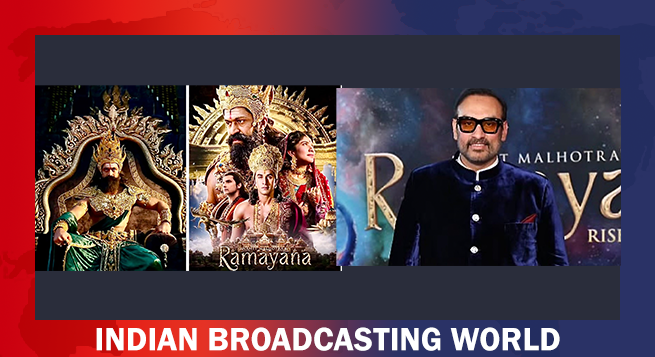 ‘Ramayana’ producer Malhotra likens film to ‘Avatar’, ‘LOTR’, ‘Odyssey’
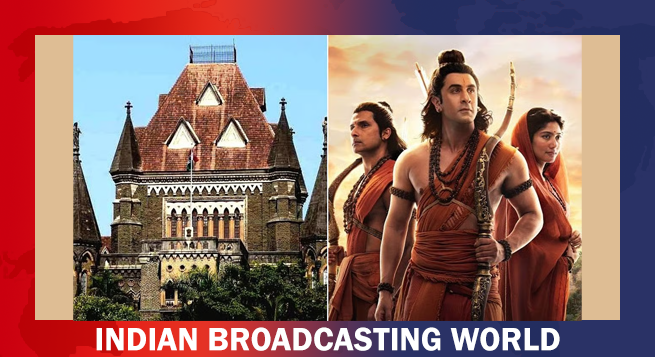 Bombay HC protects ‘Ramayana’ from piracy
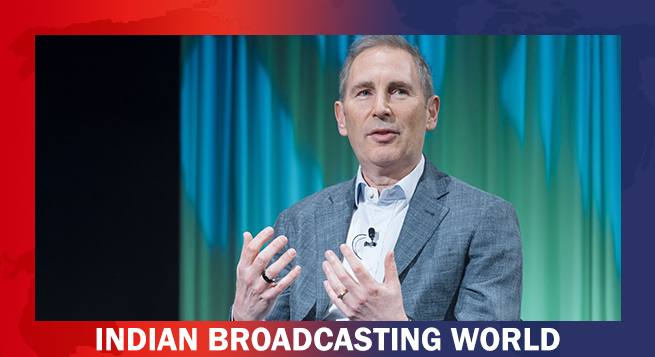 CEO Jassy says Prime Video gains profit; bullish on ad momentum
 JioStar Q2 revenue up 10.1% to Rs 6,806cr. despite weak ad environ
 Google brings AI Mode ads to India, 9 other markets
 Despite subs’ additions & net profit rising, Airtel misses Q2 estimate
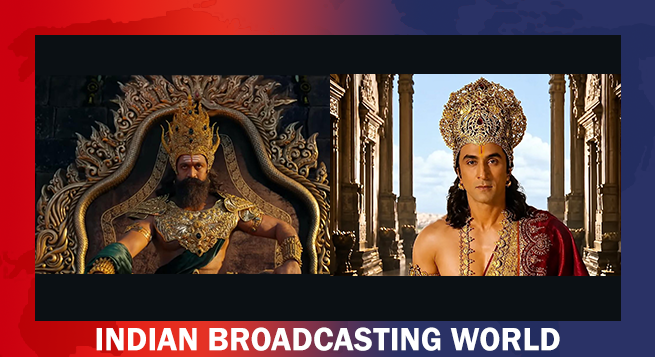 ‘Ramayana’ opens to mostly favourable reactions from moviegoers
 Disney to host first Asian edition of fan extravaganza D23 in Singapore
 Hindustan Times owner HT Media’s Q2 net profit up two-fold
 TRAI proposes new satcom authorisation framework, bats for D2D services




The Telecom Regulatory Authority of India (TRAI) yesterday in a set of recommendations, suggested a separate authorisation framework for satellite communication network providers, allowing them to offer network infrastructure as a service to telecom operators and other eligible service providers without directly serving end users.
The authorisation would be applicable across the country, with a validity of up to 20 years and provision for renewal for another period of up to 20 years.
The proposed framework also envisages enabling fixed and mobile satellite services, including direct-to-device (D2D) connectivity, alongside a structured regime for spectrum assignment and charges.
Under the proposed framework, a new category of authorisation, called Satellite Communication Network Provider Authorisation, should be introduced under Section 3(1)(b) of the Telecommunications Act, 2023.
Authorised entities would be permitted to provide Satellite Communication Network as a Service (SCNaaS), separating the ownership and operation of satellite network infrastructure from the delivery of telecommunication services.
TRAI has recommended that the framework cover Fixed Satellite Services (FSS), Mobile Satellite Services (MSS) and direct-to-device connectivity through both MSS and International Mobile Telecommunications (IMT) spectrum.
It has also proposed allowing telecom service providers holding IMT spectrum to offer D2D services in partnership with authorised satellite network providers.
On spectrum assignment, the regulator has recommended administrative allocation of FSS spectrum for feeder links, while spectrum for user links may cover both FSS and MSS, subject to the prescribed conditions.
The recommendations also provide for spectrum assignment for an initial period of up to five years, with a possible extension of up to two years by the government, depending on market conditions.
On the financial front, TRAI has proposed an authorisation fee of 8 percent of adjusted gross revenue (AGR), with no minimum authorisation fee.
It has recommended an annual minimum spectrum charge of Rs 3,500 per MHz for FSS/MSS spectrum assigned by the Central Government.
The recommendations seek to facilitate infrastructure sharing and efficient utilisation of satellite networks and spectrum, while enabling greater participation in the satellite communications ecosystem.
TRAI said the proposed framework is intended to support a competitive satcom environment and facilitate innovative services, including direct-to-device connectivity.
TRAI has proposed a financial framework aimed at maintaining regulatory parity between vertically integrated satellite service providers and those operating through shared network infrastructure.
TRAI said the recommendations are intended to promote efficient utilisation of satellite network infrastructure and spectrum, provide greater flexibility to service providers and support the expansion of satellite-based connectivity across the country.