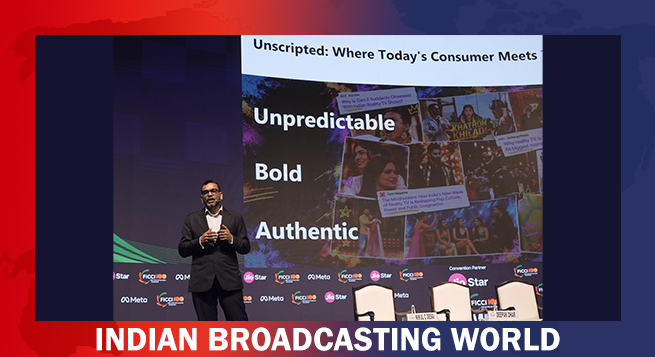
 Ficci FRAMES session discusses what makes reality TV tick
 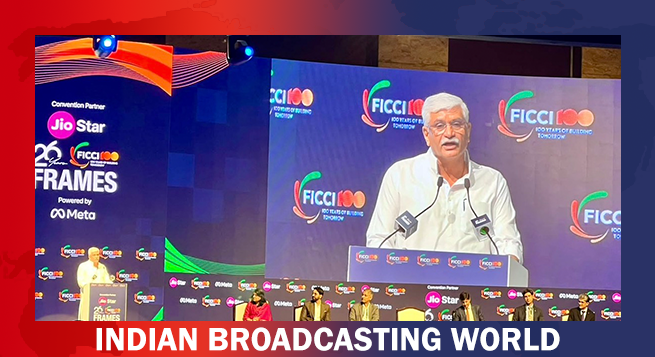 Shekhawat: India must shift from content consumer to global creator
 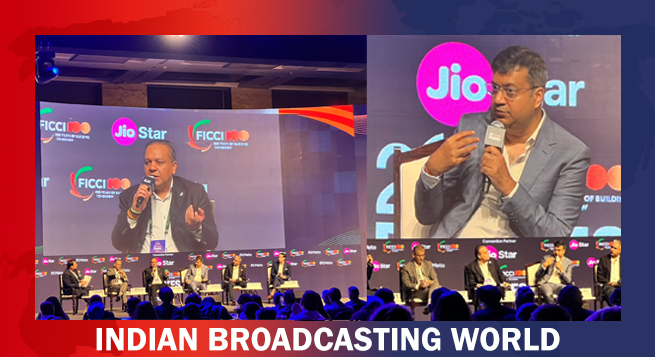 Puneet Goenka, Gaurav Banerjee, Rahul Kanwal share views on TV ratings
 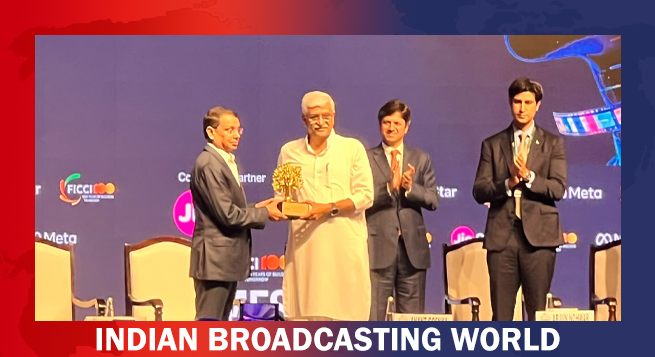 Uday Shankar urges Indian M&E sector to help nation’s global narrative
 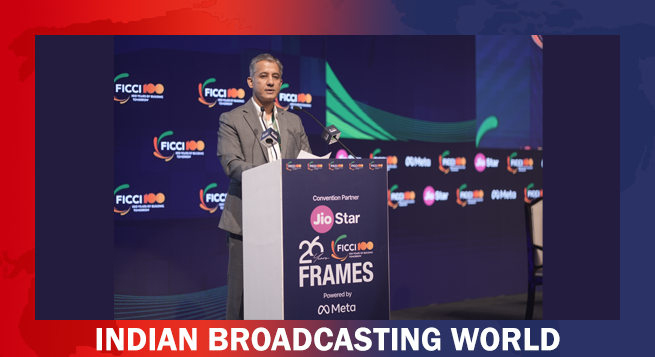 At FICCI FRAMES ‘26, Vaz bats for more innovation, regulatory flexibility
  India b’band base at 1.1bn in August, telecom subs cross 1.36bn
  From Netflix’s Sarandos to Ben Affleck: highlights of Bloomberg event
  ‘Neagley’ S2 okayed after S1 nets 40mn viewers at Prime Video
  Paramount, WBD merged entity to be christened Skydance
 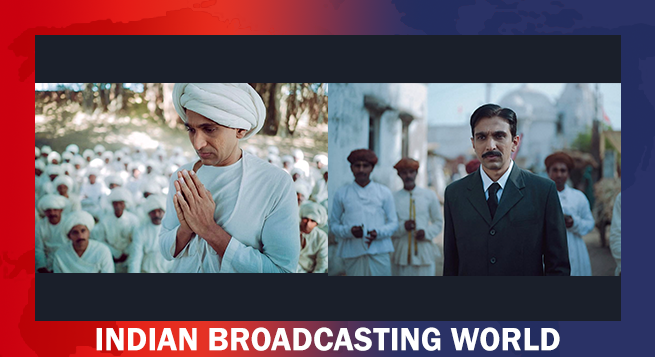 Mehta shares ‘Gandhi’ BTS images on Mahatma’s birth anniversary
 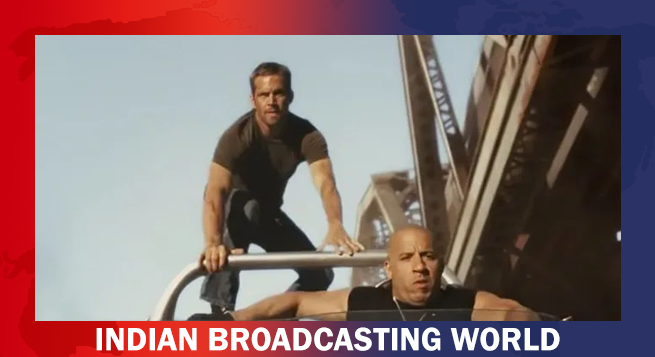 Peacock greenlights ‘Fast & Furious’ series; debut in 2028



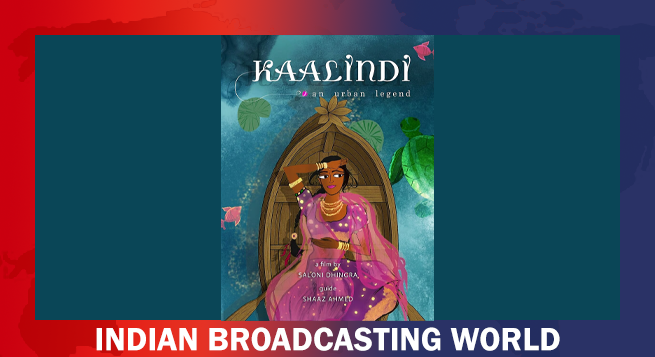
The plot is familiar, the metaphor is not. In Saloni Dhingra’s animated short film ‘Kaalindi: An Urban Legend’, Yamuna is not a river but a woman yearning for her lost glory, mirroring the fate of the river that was once Delhi’s lifeline and is now reduced to a polluted afterthought.
According to a PTI report yesterday, the short film, a graduation project that Dhingra, an alumna of the University of Design, Innovation and Technology (formerly IIAD), submitted in 2025, is making waves on the festival circuit in India and abroad.
It won the ‘Best Fiction Award’ at England’s ‘Earth Stories Film Festival’ this year and earned a special mention at IGNCA’s 6th ‘Nadi Utsav Documentary Film Festival’.
The film opens with a man complaining to an elderly boatwoman about waiting for a friend. Unmoved, she responds with the story of the woman Kaalindi — the personification of Yamuna — who has spent centuries waiting for people to see her suffering and restore her to her former pristine state.
For Dhingra, the intention was never to make a film about a river or even environmental issues.
Her interest was specific: ‘Delhi’s history, its folklore, and the stories that shape a city’s identity’.
“I realized that the Yamuna was present in almost every chapter of Delhi’s story. Entire cities were built around it, people depended on it, poets wrote about it, and yet today it often feels invisible to those living beside it. … the river felt less like a landscape and more like a silent witness to the city’s evolution. That’s what drew me to it,” Dhingra told PTI.
“For me, ‘Kaalindi’ was never just about showing what has happened to the Yamuna. It was about helping people see the river differently, not as a resource or a backdrop, but as something living within the memory of the city itself,” she added.
That curiosity sparked nearly nine months of research, during which she explored the river through “mythological, historical, environmental, social, geographical and contemporary lenses”.
Kaalindi’s visual identity, she says, was partly inspired by the way Goddess Yamuna is portrayed in classical Indian paintings.
In the short film, the boatwoman recounts Kaalindi’s rise, her life-giving flow, and the reverence she once inspired.
She recounts how a king fell in love with the river, built his kingdom on her banks and celebrated her abundance. But a later ruler, representing the colonial era, viewed her as a resource to exploit, setting her decline in motion.
Why did she choose animation? For Dhingra, it was a deliberate creative decision. The medium gave her the freedom to move between “reality, memory and metaphor in a way that felt true to the story”.