 Prasar Bharati holds copyright over content, govt clarifies in Parliament
  ‘One Battle…’, ‘Sinners’, Marty…’, begin Mar15 Oscars quest
  Govt admits ad code bars ‘miraculous’ claims in product ads
 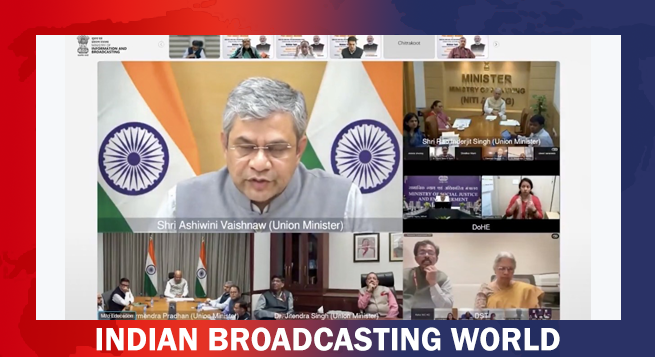 Vaishnaw: Creator economy offers citizens a democratic platform
  Prime Video, HBO Max executives to headline Series Mania Forum
  Siddharth Anand, Abhishek Bachchan team up for horror thriller
  ‘Muthu Alias Kaattaan’ trailer unveiled
  Star Gold to premiere ‘Son of Sardaar 2’ on television tomorrow
 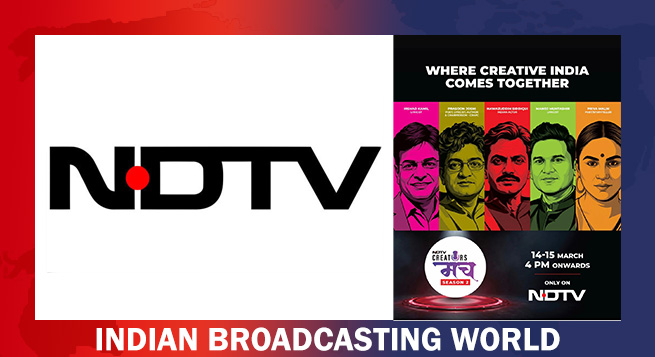 NDTV’s Creators Manch S2 to be held in Delhi on March 14–15
  ‘Raftaar’ set for theatrical release on July 24




From sensations like ‘Squid Game’ to the heartfelt ‘When Life Gives You Tangerines’, Korean or K-content has become a defining force in global entertainment — moving hearts and sparking conversations between cultures. But its influence doesn’t stop just at the screen.
To better understand how K-content resonates with viewers and what impact it’s having globally, Netflix commissioned independent research firm 2CV to conduct a wide-reaching study. Over 11,500 people across eight countries —including the US, Japan, Brazil, India and South Korea — were surveyed to explore the cultural and economic effects of K-content, the streamer said in a statement earlier this week.
The results paint a clear picture: Netflix members aren’t just watching K-content but it’s helping them embrace Korean culture in deeper, more meaningful ways.
In India, for example, the percentage of female and male audiences for Korean content is equal in sharp contrast to France (62:38 percent F/M ) or Brazil (72:28 percent).
A Global Fandom That’s Here to Stay: Across the board, Netflix members demonstrate long-term loyalty to watching Korean stories. In Thailand, Japan and the US, the vast majority of viewers said they’ve been watching K-content for more than two years, with rates as high as 82 percent of people surveyed.
And this enthusiasm is far from fleeting: 63 percent of Netflix members who watch K-content plan to keep watching more.
Netflix continues to be the go-to platform for K-content. In nearly every country surveyed, it was ranked as the preferred or main service for watching Korean series and films. Those who discover K-content on Netflix tend to come back for more and explore beyond the shows themselves.
A Gateway to Culture: The data shows that watching K-content often sparks curiosity and leads viewers to engage with Korean culture more broadly. That could mean cooking Korean food, exploring Korean fashion and beauty trends, learning the language, or even planning a trip.
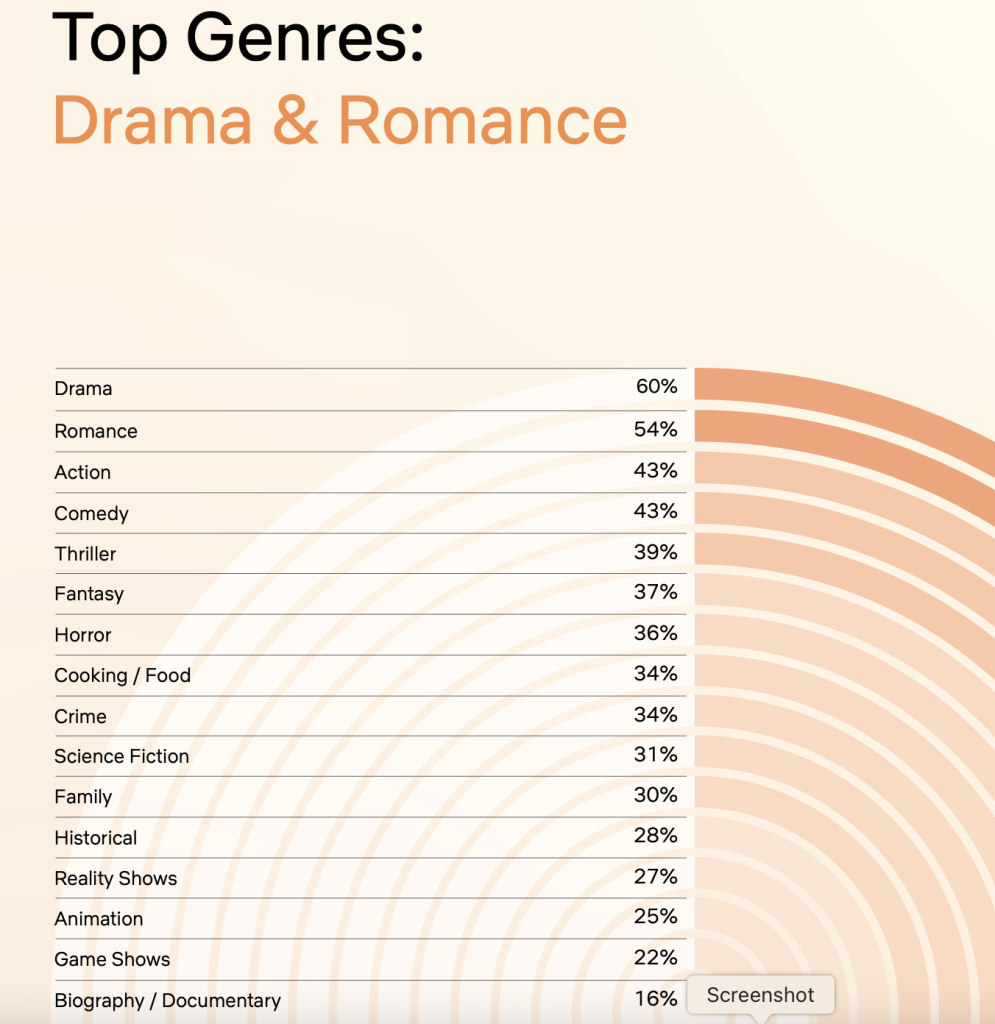
In fact, Netflix viewers were twice as likely to say they’re interested in Korean culture than non-members (58 percent vs. 32 percent) and were significantly more likely to want to visit South Korea — with 67 percent of Netflix members expressing interest vs. 41 percent.
Among K-content viewers specifically, the desire to travel to Korea was even stronger, with 72 percent saying they want to go.
This fascination extends into how viewers perceive Korea itself. Among Netflix members, 61 percent said watching K-content improved their perception of South Korea: a figure that climbs even higher in countries like Brazil (73 percent) and India (71 percent).
Sixty-four percent of members acknowledged that K-content directly influenced their interest in Korean culture. Many are also taking steps to better understand the culture behind the content: 78 percent said they watch shows in Korean as a way to improve their language skills, the Netflix study showed.
Impact in South Korea: The positive ripple effects of this global interest are felt locally, too — 91 percent of South Korean people surveyed agreed that the popularity of Korean content abroad is enhancing the country’s global image. Meanwhile, 87 percent said this success is opening new opportunities for Korean creators and businesses.
South Koreans also credit K-content with helping to raise awareness of the country’s culture worldwide, with 77 percent saying it strengthened global appreciation and 72 percent saying it encouraged tourism.
At this year’s APOS Conference, held in Bali from June 24-26, Don Kang, VP of Content (Korea) at Netflix, presented the report for the first time.
Reflecting on the cultural impact of Korean entertainment, he remarked, “The great thing is that all these shows have Korean elements — like you get to watch Korean food, you get to hear the songs we sing, the places that we go to. And it really impacts the way the world sees and understands Korean culture.”
Kang went on to describe how Netflix’s global reach has transformed what once felt like a regional niche into a worldwide phenomenon: “In recent years we’ve really seen this surge of global fandom around K-content, especially around the time of ‘Squid Game’. I think for most people outside Korea, ‘Squid Game’ was the real first Korean series that they really watched.
“And ever since then, more than 80 percent of Netflix members have all watched Korean content, and many of them continue to do so. It’s a testament that a great show on Netflix can really expand that audience. And it is just not in series, we’re seeing this in non-fiction and films,” Kang explained.