 On vulgar song, CBFC clarifies digital content not certified by it
  Sanjay Dutt, Norah Fatehi song in the eye of obscenity storm
  ‘Punha Ekda…’ to stream on Ultra Jhakaas from Mar 19
  Punjab unveils film promotion policy offering major subsidies
 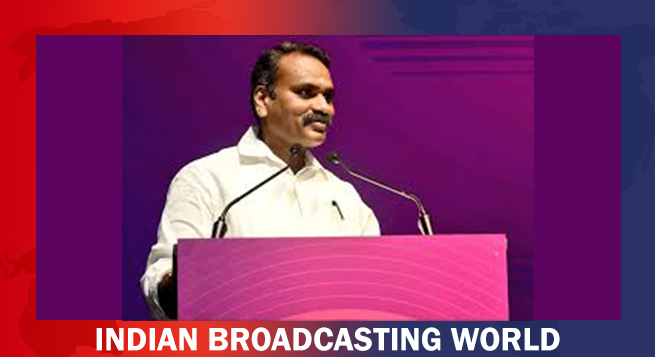 Prasar Bharati holds copyright over content, govt clarifies in Parliament
 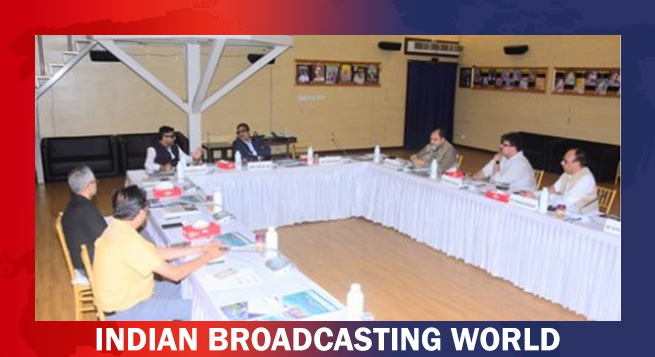 MIB Secy Jaju reviews IICT expansion plans, other initiatives
  MIB Secy Jaju calls for responsible & trusted ad ecosystem
  8Bit Creatives enters lifestyle segment, signs Nishu Tiwari
 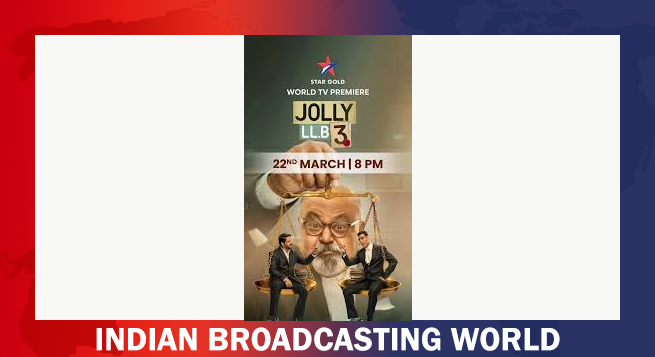 ‘Jolly LLB 3’ premieres on Star Gold with courtroom face-off



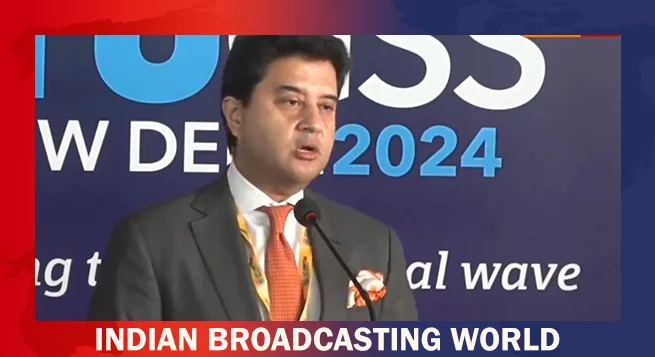
India needs satellite internet, especially in its rural areas, its Telecom Minister said, a positive regulatory sign for Elon Musk’s Starlink, which has aspirations to operate in the world’s most-populous nation.
“There are many remote corners of the country where you cannot take fiber or mobile connectivity. How do you do 100 percent saturation if you don’t have satellite internet?” Communications Minister Jyotiraditya Scindia said in an interview in New Delhi Tuesday, according to a Bloomberg report. (https://www.bloomberg.com/news/articles/2025-03-18/india-needs-satellite-internet-minister-says-in-boost-to-musk?srnd=phx-economics-v2)
He added that satellite connectivity will be “the only way that you can activate things” if natural disasters destroy towers and fiber networks.
Emphasising the complementary — and not competitive — role played by these services, Scindia said India was committed to offer consumers terrestrial, fiber as well as satellite communications.
The minister’s remarks underscore the solid backing for these services from the Narendra Modi-led government. It also bolsters global firms vying for an Indian entry, including Starlink, Amazon’s project Kuiper and OneWeb.
While Starlink is yet to secure a regulatory license to start operations in India and is awaiting local rules on spectrum pricing, many things are beginning to align for the US firm.
Last week, it announced alliances with two Indian wireless operators — Mukesh Ambani-led Reliance Jio Infocomm and Sunil Mittal’s Bharti Airtel — winning over those who had earlier opposed Starlink being granted cheap airwaves.
“India’s market is open for anyone and everyone who wants to come and participate in this large market and provide a service,” Scindia said, “Ultimately it’s the consumer that has to decide who they will go with.”
Scindia declined to comment on when Starlink may get the license or what price satellite internet firms will be asked to pay for airwaves. India’s telecom regulator is making rules on the latter and how the spectrum is priced will influence the cost of satellite broadband for users in India.
India is the world’s second-largest internet market, trailing China. Phone data charges are as low as $0.11 (roughly Rs.9.52) per gigabyte, among the lowest in the world, and any entrant will be fighting for users in a price-sensitive market.
Scindia said the firms will decide the pricing of their satellite internet services.
Global firms, including SpaceX’s Starlink, will also need to satisfy India’s internal and external security conditions before securing a license. Rival OneWeb as well as Reliance Jio’s JioSpaceFiber has already got the local licenses to start operations.
“Eventually it’ll be an economies of scale argument that’ll come through,” Scindia said, “At this point of time, let the market be penetrated first.”