 India, Korea account for bulk of Asia video content spend: MPA
 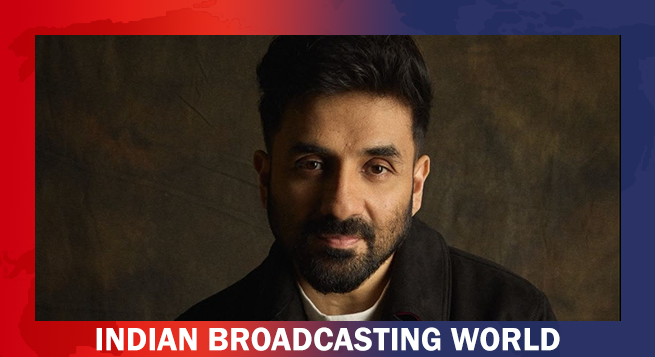 Vir Das to perform in New York on Jan 30, 2027
 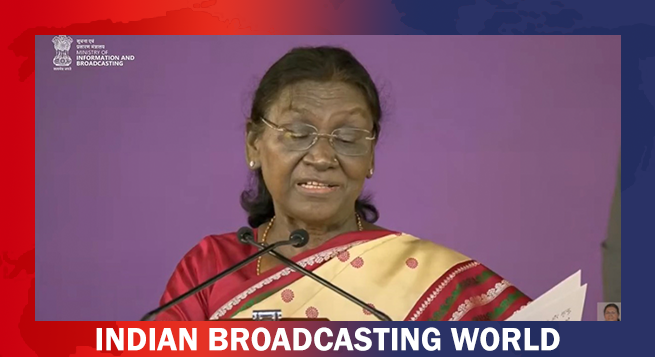 President Murmu exhorts celebs to not endorse ‘harmful products’
  Satellite company SES, JioStar sign multi-year distribution deal
  Govt. clarifies CBFC certification changes, says 1991 core framework unchanged
  Sony AATH to premiere ‘Raandhuni Na Kaanduni’ on Oct. 3
 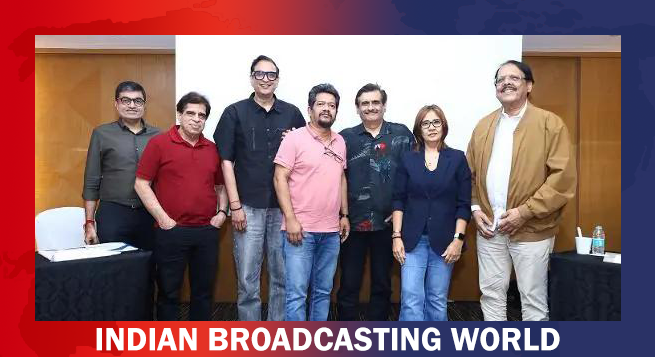 Ultra Media CEO Sushilkumar Agrawal elected VP of PGI
  ‘The Great Indian Kapil Show’ S5 opens with ‘Drishyam: The Conclusion’ cast
  ‘Hi’ to premiere on Tamil ZEE5 on Sept. 25
  JioStar secures 15 brands for West Indies tour of India




A PIL was filed on Tuesday in the Supreme Court seeking a direction to the Centre to set up an autonomous body to ‘monitor and filter’ content and regulate videos on over-the-top (OTT) and other platforms in India.
The PIL also referred to the Netflix series ‘IC 814:The Kandahar Hijack’ to highlight the need for such a regulatory mechanism as the OTT platform claimed it was based on real-life incidents, PTI reported.
“However, (what) the series have shown is a vile attempt to rewrite history, downplay the terror inflicted by the actual hijackers, and subtly glorify their actions…by reducing the tragedy of IC 814 to a farcical narrative, the series tried to promote the insidious agenda that seeks to whitewash the brutality of terrorism and vilify the Hindu community,” said the plea filed by lawyer Shashank Shekhar Jha and Apurva Arhatia.
It said there exists a statutory film certification body- Central Board of Film Certification (CBFC)- tasked with regulating public exhibition of films under the Cinematograph Act.
The cinematograph law outlines a strict certification process for commercial films shown in public venues, it said
“However, no such body is available to monitor/regulate the OTT contents and they are only bound by the self-regulations, which do not comply properly, and the controversial contents are shown to the public at large without any checks and balances,” the PIL said.
The petitioners who have made the ministries of Information and Broadcasting, Health and Family Welfare, Women and Child Development, Defence, and the Telecom Regulatory Authority of India parties to the plea, urged the top court to direct the Centre “to constitute an autonomous body/board namely ‘Central Board for Regulation and Monitoring of Online Video Contents’ to monitor and filter the contents and regulate the videos on various platforms for viewers in India”.
The petition said such a board must be headed by a secretary-level IAS officer and shall have members from varied fields including the film industry, cinematography, media, defense forces, the legal profession, and members of academia.
“The issue pertains to the abuse of fundamental rights of equality (Article 14), and freedom of expression (Article 19), thus infringing the right to life of people at large (Article 21) and Article 47 mandating state to improve public health and prohibit the consumption of intoxicating drinks & drugs harmful to health,” it said.
The OTT and other digital media platforms have given a way out for filmmakers and artists to release content without being worried about getting clearance certificates for films and web series from the censor board, it said.
“The Union of India and Ministry of Information and Broadcasting (MIB) introduced IT Rules 2021 to self-regulate OTT platforms, however the same has been inefficient. These unregulated portals are putting everything without any moderation and common people in India are watching the same from the comfort of their houses which could ultimately lead to various problems in the coming future,” it said.
Over 40 OTT and video streaming platforms are providing “paid, ad-inclusive, and free content” to citizens and abuse the right to expression granted in Article 19, it said.