 Distribution paradigms shifting, but audience remains ‘king’ Prasar Bharati CEO
  SATCAB ’26 opens with lively discussion on rules, news, multi-screen measurement
 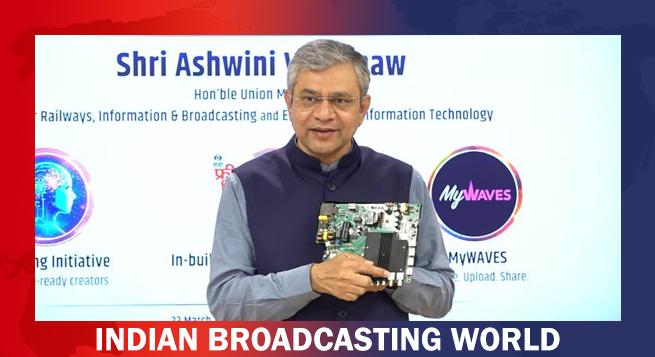 Govt starts initiatives on AI skilling, MYWAVES, FreeDish tuners
  ‘Dhurandhar2’ BO run strong; tops Rs. 550cr mark globally
  SATCAB 2026 to spotlight future of broadcasting, OTT, digital media
  Kiran Mani exits JioStar, to lead OpenAI’s Asia Pacific expansion
  Prime Video’s light-hearted drama ‘Maa Ka Sum’ to debut Apr 3
  AIDCF vs. Prasar Bharati case on linear TV at TDSAT posted for Apr 29
  Ofcom, ICO issue joint statement on online safety, data protection
  WIF India, Jio Studios to fund women producers attend Cannes series




Ofcom on Thursday set out what it expects from mobile providers when they switch off their 2G and 3G networks in the United Kingdom.
The switch-off will happen over the next 10 years and support the rollout of 4G and 5G networks, which offer faster and more reliable services for customers.
While Ofcom does not have a formal role in the switch-off process, it wants to make sure consumers are treated fairly and can continue to access the services they need, the British media and telecom regulator said in a statement posted on its website.
Operators are making their own decisions on the timing and process of their switch-offs. Vodafone will begin its phased 3G switch off later this month, with EE and Three expected to switch off their 3G networks in 2024.
Most people now have 4G-capable devices and, therefore, won’t be affected. However, customers using older devices – including mobile handsets, telecare alarms and payment terminals – will need to replace or update them, Ofcom observed.
Ofcom has set out four key expectations of providers for this process:
- Minimising coverage impact: EE, Three and Vodafone have committed to offering an equivalent level of coverage after the 3G and subsequent 2G switch-off, with areas currently reliant on these networks being upgraded to 4G ahead of switch-off. It expects Virgin Media O2 (which has yet to set a date for its 3G switch-off) to make a similar pledge. Customers should not experience a reduction in coverage as a result.
- Contractual information: Where possible, mobile providers should explain in their contract information and summary when the service being purchased will no longer work because of the switch-off and that the customer will need a 4G-capable handset after that date.
- Customer communication and support: Where customers need to replace or update their handset, Ofcom said it expects mobile operators to provide a minimum of three to six months’ notice of the steps they need to take, and to communicate clearly using a range of methods to raise awareness. Vulnerable customers will need to be given additional support – this might include offering discounts on replacement handsets.
- Other services that rely on mobile networks: The switch-off will also impact a range of other devices such as telecare alarms and payment terminals. These services will need a longer notice period. “We expect mobile providers to make every effort to identify these services, helping to raise awareness so that relevant suppliers have sufficient time to update their devices and consumers do not lose access to vital services,” the regiulator said.
Selina Chadha, Ofcom’s Director of Connectivity, said: “In the next few years, older mobile networks will gradually be switched-off to make way for faster, more reliable services.
“But some people will need help upgrading their devices during this process. So we’ve told mobile networks what they should do to make sure support is available to those who need it.”