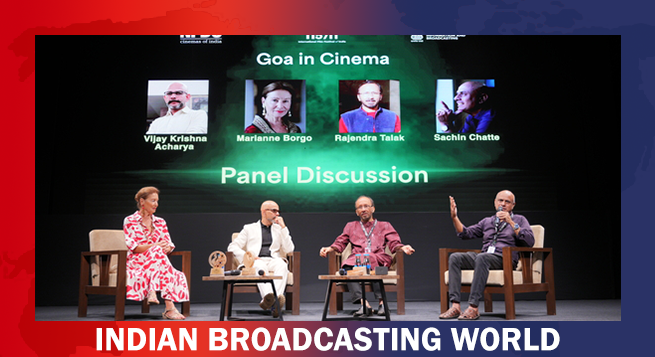
 IFFI panel explores Goa’s potential as a filmmaking destination
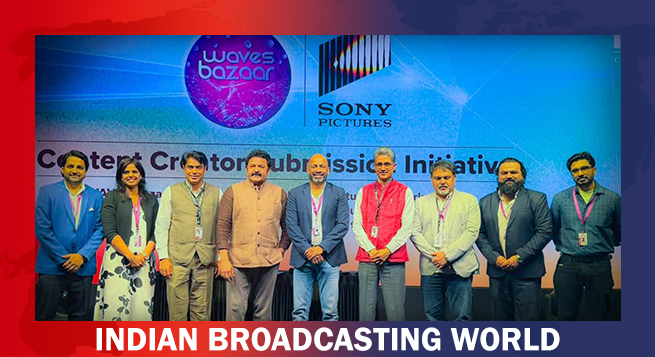 Have a Story to Tell? Sony & WAVES Bazaar Want to Hear It
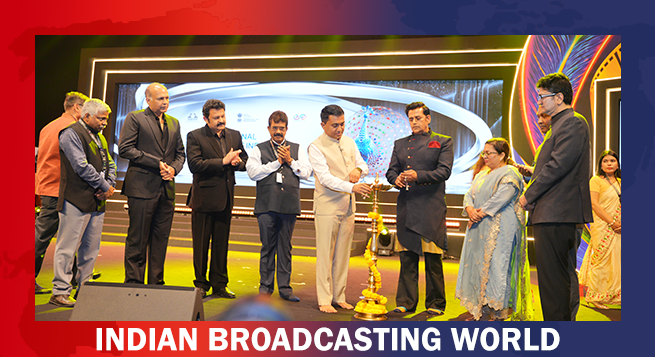 At 57th IFFI opening, Goa CM says State wants to be filmmaking hub
 Times Now summit expands across south India
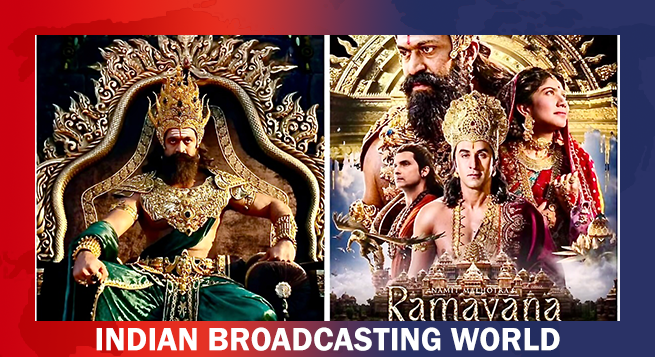 Hindu Janajagruti Samiti flays ‘Ramayana’ film for glorifying Ravan
 Emraan recreates romantic scene with Genelia on ‘Indian Idol Legends…’
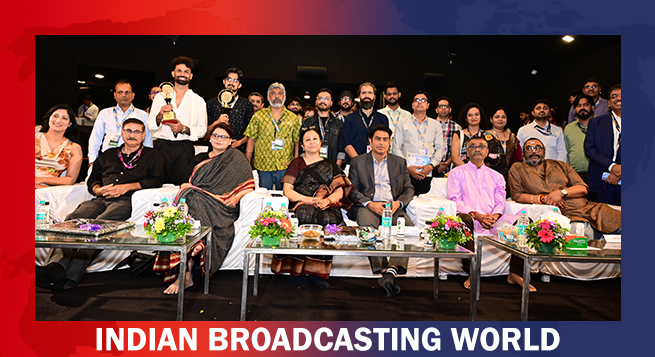 Prasar Bharati’s ‘Page Se Pitch Tak’ crowns first winners at IFFI
 BBC looks to Netflix to expand preschool brand CBeebies’ reach
 YouTube GTA VI livestream channel lines up excitement, gifts for fans
 Punjabi singer Deep Money releases romantic single ‘Aaj Di Raat’




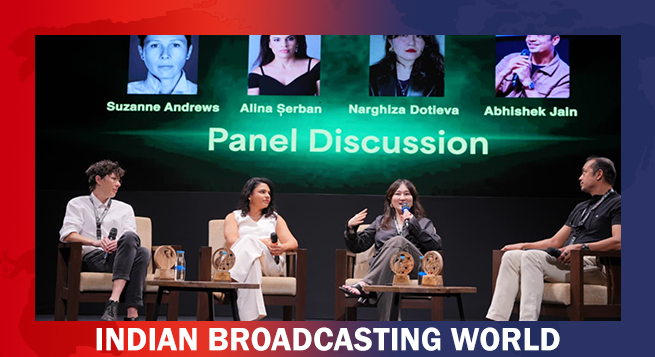
Women filmmakers from diverse cultural backgrounds are challenging stereotypes, reclaiming control over their stories and reshaping world cinema by drawing on their cultural identities and lived experiences, speakers yesterday said at a discussion during the 57th International Film Festival ofIndia (IFFI) in Panaji, Goa.
The panellists highlighted the importance of creative freedom, authentic storytelling and greater recognition for women filmmakers and under-represented communities.
At the session titled ‘Her Lens, Her Legacy, Her Liberty: Women Shaping World Cinema’, Kyrgyz writer-director Narghiza Dotieva, Romanian-Roma actress and filmmaker Alina Șerban and Mexican-American writer-director Suzanne Andrews Correa shared their creative journeys and the cultural influences that shaped their work.
Indian filmmaker Abhishek Jain moderated the discussion.
Dotieva, according to an official gist of the session provided by the fest organisers, recalled growing up in a small lakeside fishing town in Kyrgyzstan, where her grandfather’s recitations of traditional Kyrgyz oral poetry inspired her interest in storytelling.
After working in advertising, she self-funded her early filmmaking projects, drawing on the country’s literary and cultural heritage, including the epic ‘Manas’.
Her feature debut, ‘Skylark’, explores borderland histories and universal human emotions.
For Șerban, her participation at IFFI was an emotional return to her ancestral homeland.
Born into a Roma family in Bucharest, she spoke about the historical links between the Roma community and Rajasthan, including Indian-origin words in the Roma language.
Having experienced prejudice and marginalisation while growing up, she turned to theatre and cinema to challenge stereotypes.
Through her work, including her directorial feature ‘I Matter’, she seeks to reclaim agency over Roma narratives and highlight stories of resilience and dignity.
Correa spoke about the decade-long journey behind her directorial debut, ‘La Cazadora’(‘TheHuntress’), set in Ciudad Juárez, Mexico.
Inspired by real-life incidents of feminicide and violence against women, the film evolved from an expression of anger and urgency into an empathetic exploration of desperation, survival and female agency.
The discussion also highlighted the hurdles confronting independent filmmakers, including funding constraints, gender bias and stereotyping.
Correa observed that producers often favour commercially safer narratives over complex and uncomfortable subjects, while women directors frequently have to prove their credentials to be taken seriously.
Șerban recalled repeated funding rejections because her scripts did not conform to stereotypical portrayals of the Roma community.
The filmmakers urged aspiring directors to remain rooted in their cultural and emotional identities, stressing that authentic local stories can find resonance with audiences across the world.