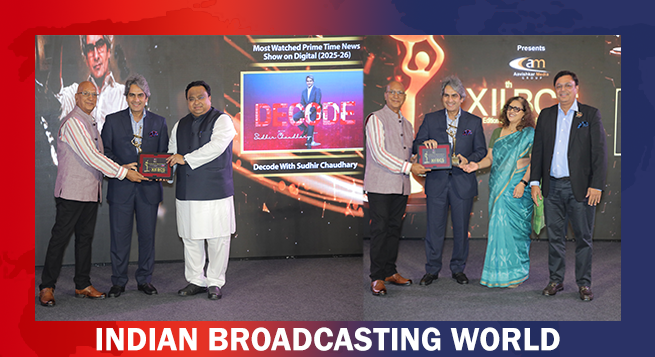
 Sudhir Chaudhary wins two big Honours at XIIᵗʰ BCS Ratna Award 2026
 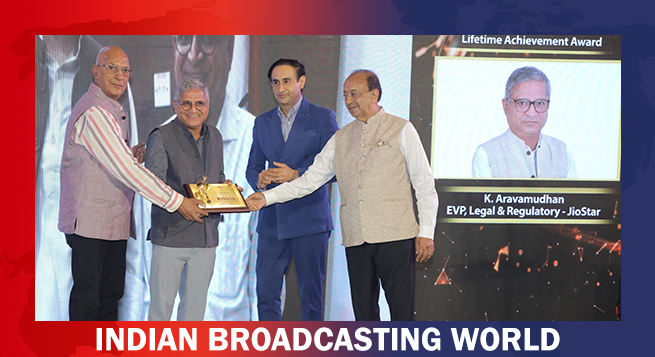 12th BCS Ratna Award: JioStar’s Aravamudhan is Lifetime Achievement honouree
 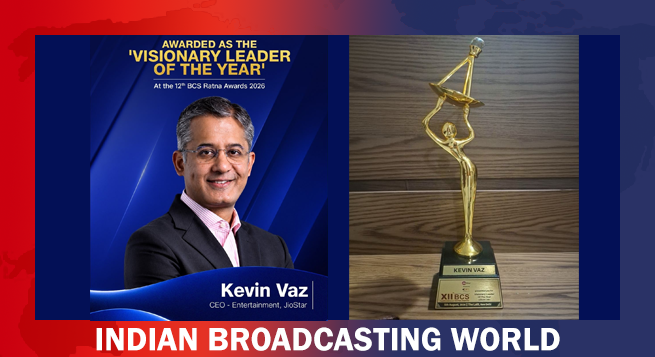 XIIth BCS Ratna Award : JioStar CEO Entertainment Kevin Vaz honoured
 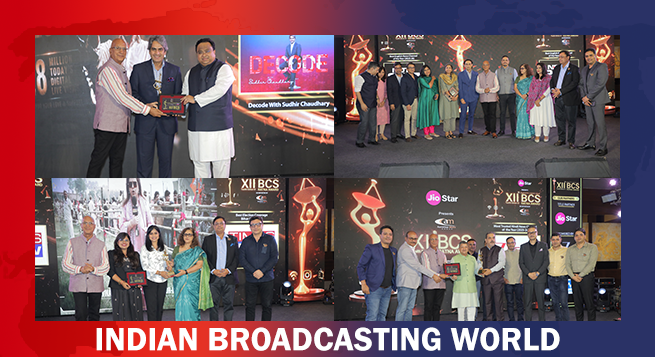 XIIth BCS Ratna Award 2026: Media achievers honoured
 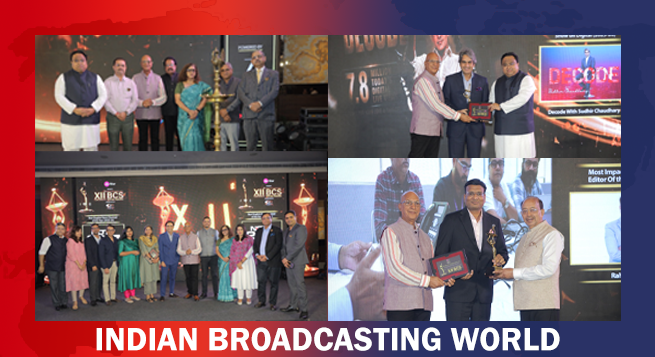 12th BCS Ratna Award a roaring success; honours excellence in M&E
 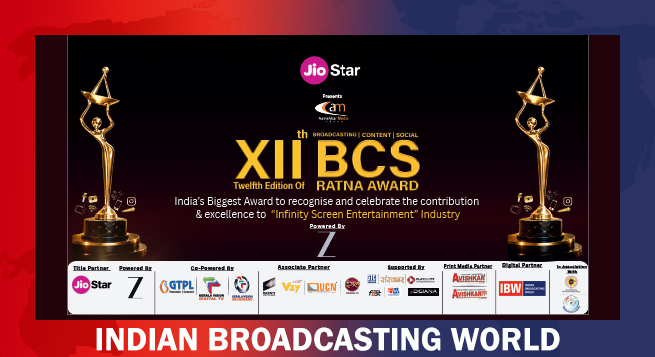 Twelfth BCS Ratna Award boasts stellar lineup; to be held on Aug 5
  Javier Bardem joins HBO’s ‘The Spread’
 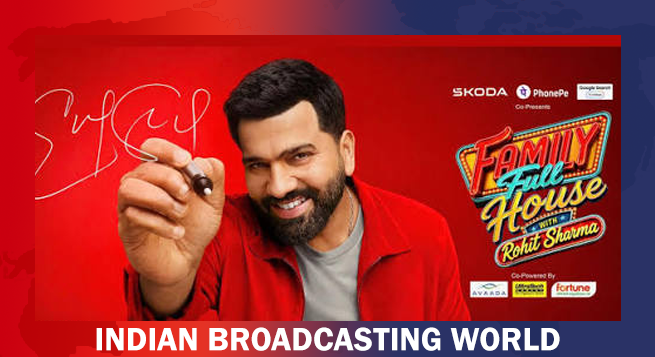 ‘Family Full House’ to premiere today with Rohit Sharma
 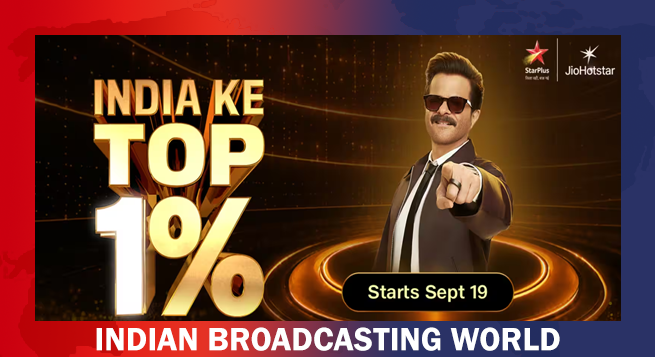 JioStar’s ‘India Ke Top 1%’ gets seven sponsors
  ‘Golmaal 5’ release date announced
 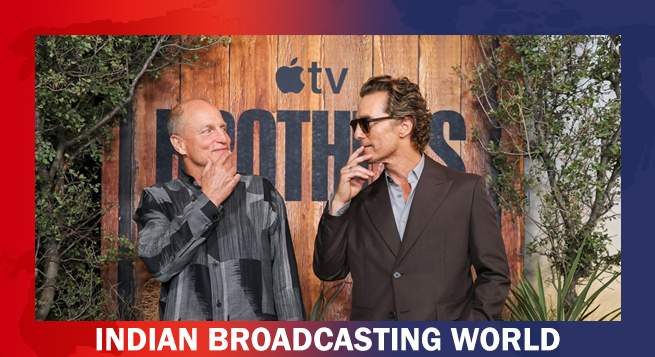 Apple TV hosts premiere of ‘Brothers’ in LA



The Indian government’s move to bring in a revamped regulatory regime for the broadcasting sector by attempting to overhaul some old rules has come in for criticism from several quarters as industry bodies and journalists organisations have said the proposals under the Broadcast Services (Regulation) Bill 2023 could usher in an era of censorship and mandatory content oversight by authorities.
The Broadcast Bill was put out in the public domain by the Ministry of Information and Broadcasting late last year for public comments that also started a public debate.
Now, according to a report in the Hindustan Times yesterday, the Indian Broadcasting & Digital Foundation (IBDF), while criticising several measures proposed in the Bill, has said that streaming platforms like Netflix, Prime Video, hoichoi, Disney+ Hotstar should be kept outside the purview of the Bill as such a service doesn’t amount to linear broadcasting.
“The IBDF has criticised the bill for granting unfettered powers to the central government to control what is broadcast and potentially censor content; for impinging on content creators’ and broadcasters’ right to freedom of speech and expression through different provisions; and for relying on excessive delegated legislation which creates an environment of regulatory uncertainty and makes it hard for stakeholders to engage in effective consultation on the Bill,” said the HT report (https://www.hindustantimes.com/india-news/dont-include-streaming-platforms-in-broadcasting-bill-tv-industry-to-mib-101707034922090.html).
“TRAI recently floated a Pre-Consultation Paper on a proposed National Broadcast Policy (NBP), and this Draft Bill has been circulated for consultation, immediately, without concluding that process or even paying heed to some fundamental issues raised by various stakeholders. … We believe that the Draft Bill, if any, must be based on principles, goals and objectives outlined in a coherent Broadcast Policy, laying out values on which the sector is proposed to be managed and developed,” the HT report quoted from the IBDF submission to the MIB.
“The Draft Bill must consider the various prevailing legislations, to cull out unnecessary regulation and address the inadequate support and provision for the same,” the IBDF added, making it clear that the Bill should be limited to linear broadcasting distribution services only.
Pointing out that OTT platforms are governed by a set of self-regulatory mechanisms, as enshrined in the IT Rules, IBDF, according to the HT report, therefore, recommended that there was no need to introduce a new framework — “more so when the existing self-regulatory framework has been functioning efficiently.”
The IBDF also suggested dropping from the Bill provisions related to prescribing programme and advertising codes while specifying that the Bill should say that no content that violates applicable law can be transmitted.
The IBDF also criticised the proposed broadcast evaluation committee, suggesting scrapping it as it could lead to “potential censorship” and batted for Broadcast Audience Research Council India’s continuance without it being replaced with some other body or revamping its functions.