 NCW summons Nora, Sanjay Dutt, Badshah over obscene songs
  On vulgar song, CBFC clarifies digital content not certified by it
  Sanjay Dutt, Norah Fatehi song in the eye of obscenity storm
  ‘Punha Ekda…’ to stream on Ultra Jhakaas from Mar 19
 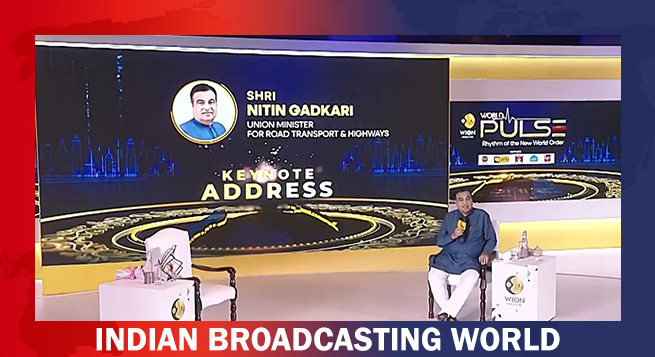 Transport sector triples to Rs.23 lakh cr, says Gadkari
  Studio9 debuts on OTT with Bengali thriller ‘Jazz City’
  Kranti Prakash Jha says ‘fortunate’ to work with Nana Patekar in ‘Sankalp’
  Amagi unveils AI artwork engine to streamline streaming workflows
  Convergence India Expo 2026 to spotlight AI, 6G and smart city innovation



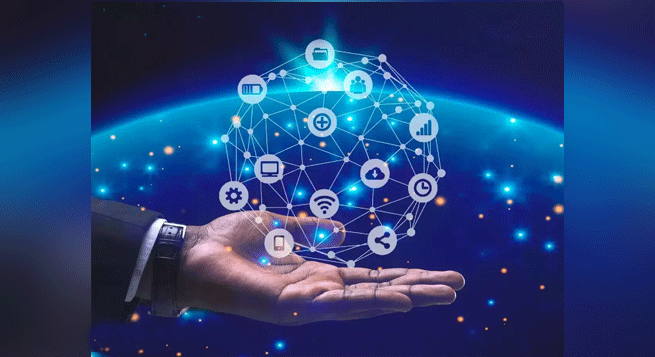
A Counterpoint Research report states China accounted for more than two-thirds of all cellular IoT connections last year, followed by Europe and North America.
The cellular IoT market has grown impressively in the face of various industry challenges such as inflation, macroeconomic headwinds, and supply chain constraints.
This expansion has been fueled by digital transformation initiatives undertaken by various industry applications, particularly smart meters, automobiles, and asset tracking.
“In recent times, 4G Cat 1 bis technology has gained significant popularity over NB-IoT due to its superior performance,” an IANS report quoted Soumen Mandal, senior research analyst, as saying.
“5G is still in its early stages, but we expect 5G-based applications to gain traction as module ASPs (average selling prices) fall below $100 and more 5G RedCap-based solutions become available in the market,” he added.
Cellular IoT connectivity has been critical in assisting industries to increase productivity, streamline operations, reduce downtime, automate procedures, and save money.
Furthermore, the Covid-19 pandemic has unintentionally benefited enterprise IoT players by increasing their efforts to undergo digital transformation.