 Sunil Mittal says OneWeb ahead of Musk in Indian approval queue
  Murugan resigns from Cabinet as Mos MIB & Rajya Sabha
  Broadcasters flag HD-SD conversion, satellite spectrum concerns in submission to MIB on telecom rules 2026
  MIB seeks dismissal of AIDCF plea against WAVES, says OTT rules differ from TV
 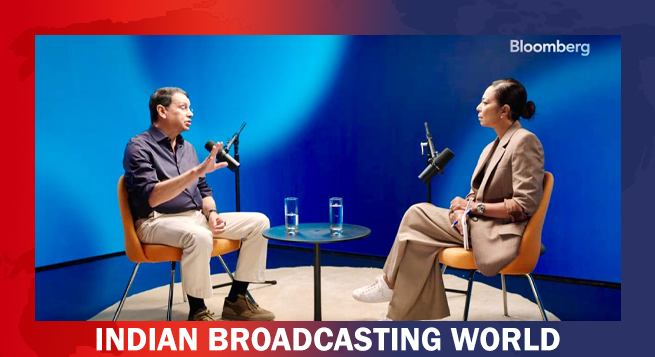 Uday Shankar: Indian M&E sector needs policy support to compete globally
  India’s M&E sector needs 15% growth to reach $100bn by ‘30: CII paper
  India’s media sector must create global brands, says MIB secy at CII Summit
  ‘The Love Hypothesis’, ‘Carrie’ lead Prime Video’s weekly global rankings
 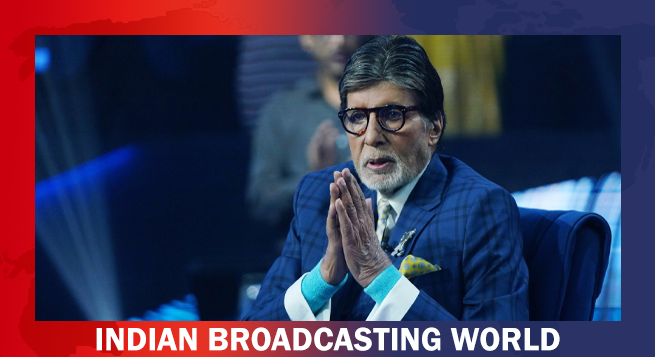 Amitabh Bachchan recalls Allahabad’s famous milk jalebis on ‘KBC 18’
  Prime Video announces weekly line-up of Indian, global shows & series



The Delhi High Court on Friday dismissed a batch of petitions filed by television broadcasters in 2013 challenging the Telecom Regulatory Authority of India’s (TRAI) 12-minute-per-clock-hour cap on television advertisements, bringing closure to a legal battle that had remained pending for nearly 13 years.
The ruling is expected to impact television broadcasters, particularly free-to-air channels that rely heavily on advertising revenue to sustain operations, as the dismissal of petitions clears the way for enforcement of advertising limits that had remained effectively stayed for years, PTI reported.
A division bench of Justice Anil Kshetarpal and Justice Amit Mahajan held that TRAI acted within its statutory authority in prescribing limits on television advertisements to protect consumer interests and improve the quality of viewing experience.
The petitions, filed by a broad set of broadcasters including general entertainment channels (GECs), news broadcasters and regional television networks, had challenged Rule 7(11) of the Cable Television Network Rules, 1994, and Regulation 3 of TRAI’s Standards of Quality of Service (Duration of Advertisements in Television Channels) Regulations, 2012, as amended in 2013.
The regulations prescribe a cap of 12 minutes of advertisements in a clock hour, including up to 10 minutes of commercial advertisements and two minutes of self-promotional content.
Broadcasters that had secured interim relief from the Delhi High Court had not been implementing the 12-minute cap, with the court restraining TRAI from taking coercive action pending adjudication of the matter.
In November 2025, TRAI issued show-cause notices to major television broadcasters over alleged violations of the 12-minute advertising cap per clock hour and moved the Delhi High Court seeking vacation of the interim protection.
Broadcasters, including entities such as 9X Media, B4U Broadband, Sun TV Network, NDTV Lifestyle, Raj Television and the News Broadcasters and Digital Association (NBDA), argued that the restriction violated their rights under Articles 14 and 19 of the Constitution.
They contended that advertising revenue was critical to sustaining operations, particularly for free-to-air and news channels with limited subscription income, and that the cap amounted to an unreasonable restriction on commercial speech.
The broadcasters also argued that television channels, especially free-to-air networks, depend heavily on advertising revenue for survival and that restrictions on ad inventory could adversely affect their financial viability.
Rejecting the arguments, the court held that television differs fundamentally from print media because viewers cannot skip advertisements inserted during programmes, making excessive commercial interruptions a legitimate concern for regulators.
The bench drew a distinction between print and broadcast media, observing that newspapers rely on privately owned resources such as printing presses, paper and distribution networks and are governed through registration and professional standards rather than pre-licensing of editorial operations.
In contrast, television broadcasting uses airwaves and spectrum, which the court described as a scarce public resource that must be utilised to promote public good. Given the limited nature of spectrum, the State is empowered to impose licensing and authorisation requirements on broadcasters and regulate access to it.
“Accordingly, once broadcasters avail themselves of the privilege of utilising public spectrum under statutory licence, they cannot disclaim the corresponding obligation to adhere to conditions designed to regulate its use in the public interest,” the court said.
The court also rejected the contention that TRAI lacked jurisdiction to regulate advertisement duration, ruling that the regulator’s mandate under the TRAI Act includes setting standards for quality of service and protecting viewer interests.
The court said regulating advertisement duration was a legitimate quality-of-service measure aimed at preventing excessive commercial interruptions and ensuring a more balanced viewing experience for consumers.