 MIB says no film denied screening permission at Keralam film festival
  Govt. clarifies CBFC certification changes, says 1991 core framework unchanged
  Luminous partners with Sony LIV for ‘Family Full House with Rohit Sharma’
 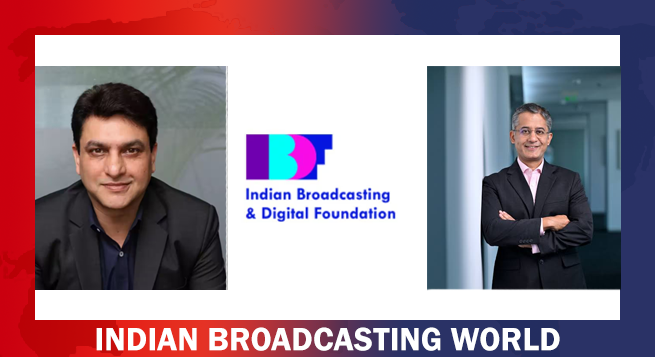 IBDF announces key board changes
  Karan Johar announces film on R&AW founder R N Kao
  ‘MasterChef Asia’ to premiere on TLC India on Sept.22



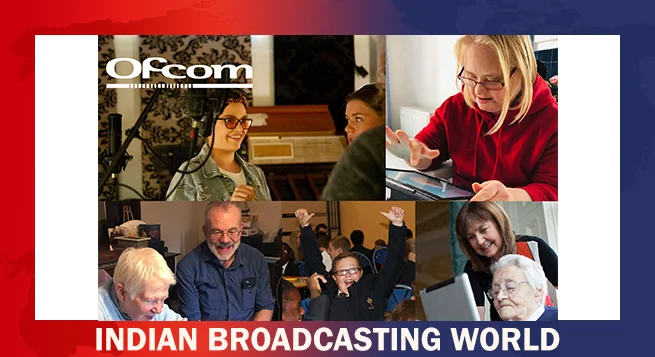
Ofcom yesterday shared its learnings and recommendations following a 14-month project, which saw organisations across the United Kingdom trial innovative approaches to boost people’s media literacy skills.
Media literacy is having the skills, knowledge and understanding to flourish in the online world. It empowers people to become informed digital decision-makers and, importantly, to identify and protect themselves and others against harmful content.
In December 2022, the British communications regulator had commissioned 13 organisations across the UK to test and evaluate different approaches to improving media literacy skills among children and young people, older adults, disabled people and people with learning difficulties. Over the course of the year, the projects reached 2,717 people across England, Wales, Scotland, and Northern Ireland.
The report unveiled yesterday, an official statement from Ofcom said, highlights the key insights and learnings for each target cohort, with a particular focus on how the impact on participants was measured and evaluated. It also offers practical tips and recommendations for other organisations planning future media literacy initiatives – covering project commissioning, planning, and reporting.
The report suggested the following interventions, amongst others, to boost and strengthen media literacy:
(Children & young people)
- Greater knowledge, awareness and understanding of algorithms and their role in content promotion.
- Improvements in levels of news literacy, and confidence in spotting ‘fake news’ and other forms of mis and disinformation.
- Evidence of critical thinking skills in action (although research was not designed to see if this translated into more informed and questioning behaviour in participants’ everyday online lives).
(Older adults)
- Increased digital skills that enabled older adults to get online and access key services.
- Increased confidence in how to spot, protect themselves from and/or respond to online threats and scams.
- Some suggestions that increased skills, confidence and access to devices had contributed in the short-term to reduced social isolation and loneliness among older adults.
(Disabled people & people with learning disabilities)
- Improvements in knowledge, skills and confidence to engage in online activity and stay safe online (although concerns about being scammed often persisted, possibly because of a heightened awareness of potential scamming methods after the training).
- Lifestyle and mental health benefits as a result of increased use of online services, such as accessing entertainment, finding deals and keeping in touch with family and friends.
More broadly, Ofcom said, the projects demonstrated the benefits of embedding evaluation within media literacy projects by providing evidence that adds to the growing body of research around how best to support target groups to improve their media literacy.