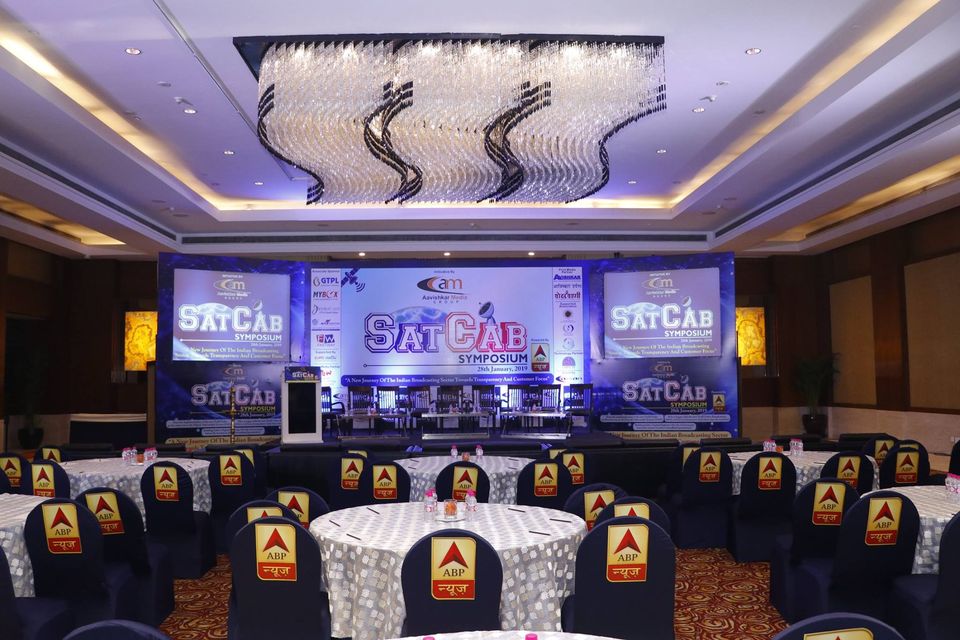
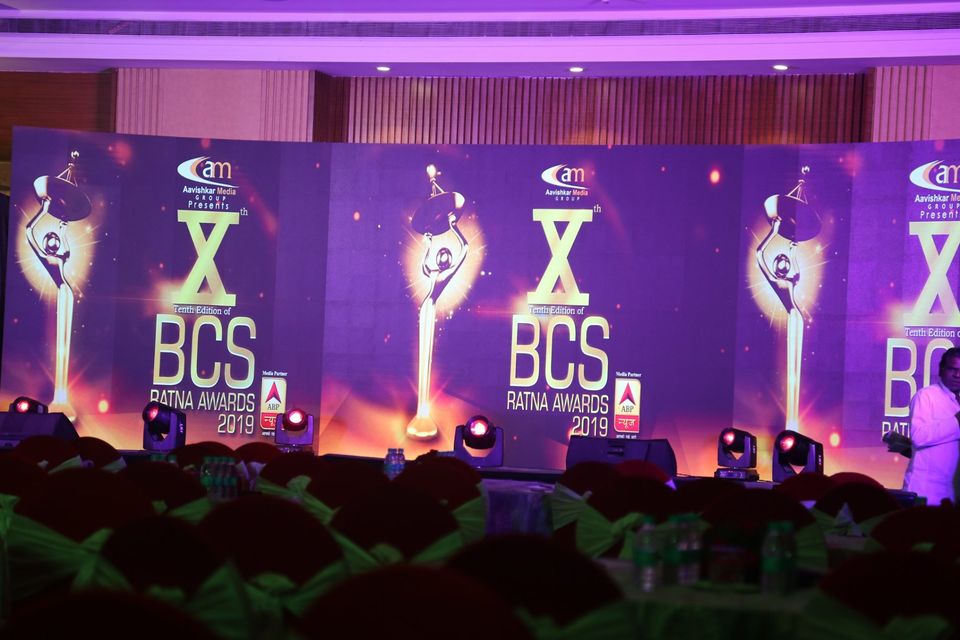
 Sudhir Chaudhary wins two big Honours at XIIᵗʰ BCS Ratna Award 2026
  12th BCS Ratna Award: JioStar’s Aravamudhan is Lifetime Achievement honouree
  XIIth BCS Ratna Award : JioStar CEO Entertainment Kevin Vaz honoured
  XIIth BCS Ratna Award 2026: Media achievers honoured
  12th BCS Ratna Award a roaring success; honours excellence in M&E
  Twelfth BCS Ratna Award boasts stellar lineup; to be held on Aug 5
  Javier Bardem joins HBO’s ‘The Spread’
  ‘Family Full House’ to premiere today with Rohit Sharma
  JioStar’s ‘India Ke Top 1%’ gets seven sponsors
  ‘Golmaal 5’ release date announced
 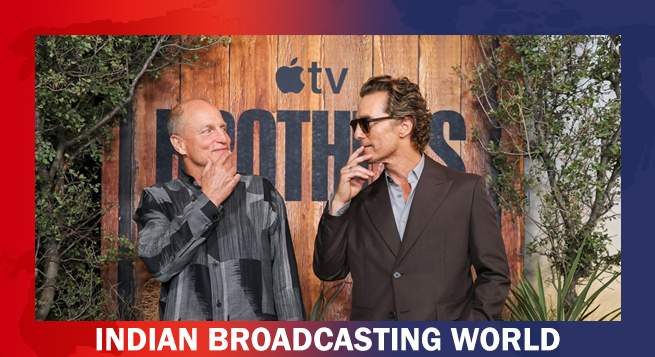 Apple TV hosts premiere of ‘Brothers’ in LA



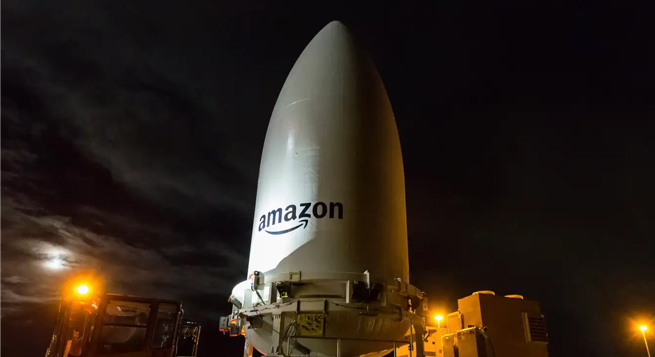
Amazon launched the first test satellites for its planned internet service on Friday as a rival to SpaceX’s broadband network.
United Launch Alliance’s Atlas V rocket blasted off with the pair of test satellites, kicking off a program that aims to improve global internet coverage with an eventual 3,236 satellites around Earth.
Amazon plans to begin offering service by the end of next year, Associated Press reported.
Elon Musk’s SpaceX has a huge head start over Amazon and its founder Jeff Bezos, who has his own rocket company, Blue Origin.
SpaceX flew its first test Starlink satellites in 2018 and the first operational satellites in 2019. It has since launched more than 5,000 Starlinks from Florida and California, using its own Falcon rockets.
Europe’s Eutelsat OneWeb also is launching internet satellites, with around 600 in orbit.
Amazon originally agreed to put the satellites on the debut launch of ULA’s Vulcan rocket. But with the Vulcan grounded by problems until at least the end of this year, Amazon switched to the long-established Atlas V.
When licensing the program, the Federal Communications Commission stipulated that at least half of the planned satellites be operating by 2026 and all of them by 2029.
Amazon has reserved 77 launches from ULA, Blue Origin, and Europe’s Arianespace to get everything up.