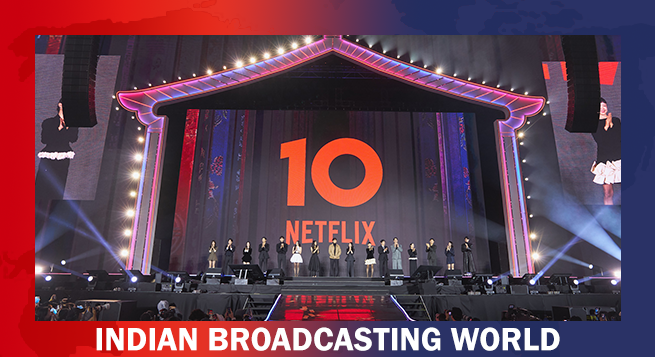
 Netflix’s marks Korean decade as K-content rules non-English viewing
 GTPL Hathway now tracking TV viewership via RPD, targets 50k homes
 Netflix, hoichoi in pact to take Bengali stories to wider audiences
 JioHotstar to offer ‘Ramayana’ on pay-per-view after theatrical run
 MIB issues advisory for TV channels on news reporting, AI use
 TRAI proposes new rules for Internet-based TV services
 Ahaan Panday , Sharvari’s film ‘Beparwah’ to release in March 2027
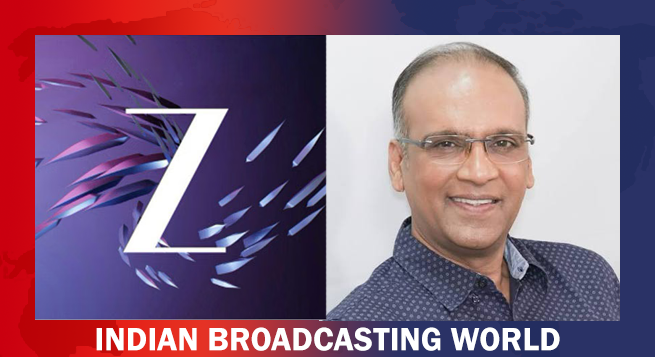 Komal Nahta joins Zee as Creative Director for movies business
 Flipkart Minutes launches Ramsay Brothers’ horror mini-series
 ‘Alpha’ world TV premiere set for Oct 31 on Sony MAX




The Telecom Regulatory Authority of India (TRAI) has recommended a new authorisation framework for Application-based Linear Television Distribution (ALTD) services, including Free Ad-Supported Streaming Television (FAST) services. The proposed framework aims to regulate the distribution of linear television channels over the internet while promoting innovation, protecting consumers and providing greater clarity for service providers.
According to a press release issued by TRAI on October 26, 2026, the recommendations seek to establish a light-touch and future-ready regulatory framework for internet-based television distribution. The proposals cover the authorisation of service providers, registration of internet-native television channels, responsibilities of device manufacturers and operating system providers, consumer grievance redressal, and the inclusion of online television viewership in the existing audience measurement framework.
The recommendations follow a reference from the Ministry of Information and Broadcasting (MIB), which approached TRAI on December 15, 2025, under Section 11(1)(a) of the TRAI Act, 1997. The ministry had asked the regulator to examine and recommend a framework for FAST services, with a focus on regulatory parity, content accountability and consumer protection.
TRAI observed that several applications now aggregate and distribute scheduled linear television channels through pre-installed applications on televisions and other devices, downloadable mobile and smart TV applications, and web-based platforms accessible through browsers. These services offer viewers an experience similar to conventional television distribution, but through internet-enabled devices. TRAI has therefore used the broader term Application-based Linear Television Distribution services to cover these services, including FAST platforms.
As part of the consultation process, TRAI issued a consultation paper on April 6, 2026, seeking stakeholder views on the proposed regulatory framework. The process received 207 comments and 11 counter-comments, which were uploaded to the regulator’s website. An Open House Discussion was also held on June 10, 2026, allowing stakeholders to share their views before the authority finalised its recommendations.
Under the proposed framework, ALTD services would be introduced as a distinct sub-category under Television Channel Distribution Services within the broadcasting authorisation framework provided for under Section 3(1)(a) of the Telecommunications Act, 2023. TRAI said the move would provide a defined regulatory structure for services that distribute linear television channels over the public internet or other internet protocol-based networks.
The proposed definition of an ALTD service covers the aggregation and distribution of television channels approved by the Central Government, including internet-native linear television channels with approved names and logos. It also includes an application provider’s own platform service channels and may offer additional services, such as on-demand audio-visual content. These services could be accessed through applications, websites or similar consumer interfaces on internet-enabled devices.
However, the proposed scope excludes broadcaster-owned platforms that distribute only their own channels or channels belonging to their subsidiaries or holding companies. Live streams on social media platforms would also remain outside the proposed framework.
TRAI has recommended that the terms and conditions governing ALTD authorisation be notified as rules under Section 56 of the Telecommunications Act, 2023. It has also proposed that authorisation applications, channel registration and reporting be handled through an online portal, making the process more accessible and streamlined.
Under the recommendations, the application provider would be the primary entity responsible for obtaining authorisation and complying with the applicable regulatory requirements. The framework is designed to reflect the application-based and infrastructure-light nature of these services while remaining aligned with the broader authorisation framework recommended by TRAI for broadcasting services.
The proposed authorisation would cover a national service area and remain valid for an initial period of 20 years, with the option of renewal for successive periods of 10 years. TRAI has recommended an application processing fee of Rs.10,000 and a one-time entry fee of Rs.1 lakh. No authorisation fee, bank guarantee or security deposit has been proposed.
The recommendations also address the availability of ALTD applications on televisions and other internet-enabled devices. TRAI has proposed that the Ministry of Information and Broadcasting maintain a master repository of authorised ALTD applications. Original Equipment Manufacturers, including television manufacturers, and operating system providers would be required to ensure that only authorised ALTD applications are made available through their devices and application stores. They would also need to submit annual compliance reports to the ministry in the prescribed format.
For television channels created specifically for internet-based distribution, TRAI has recommended a simplified registration framework for internet-native linear television channels, alongside the existing system for permitted and authorised channels. ALTD service providers would be allowed to distribute only television channels that hold valid permission, authorisation or registration from the Central Government.
Consumer protection and grievance redressal are also part of the proposed framework. TRAI has recommended that the ALTD application provider serve as the primary point of contact for consumer complaints and be responsible for addressing grievances relating to the service.
The regulator has further recommended integrating viewership of television channels distributed through ALTD applications into the television audience measurement framework. Authorised application providers would also be permitted to publish anonymised periodic viewership data in accordance with the TV Ratings Policy, 2026.
TRAI said the recommendations are intended to facilitate the orderly growth of internet-based linear television distribution by providing an enabling authorisation framework. The proposals build on and complement its earlier recommendations on the framework for service authorisations for broadcasting services under the Telecommunications Act, 2023, issued on February 21, 2025.