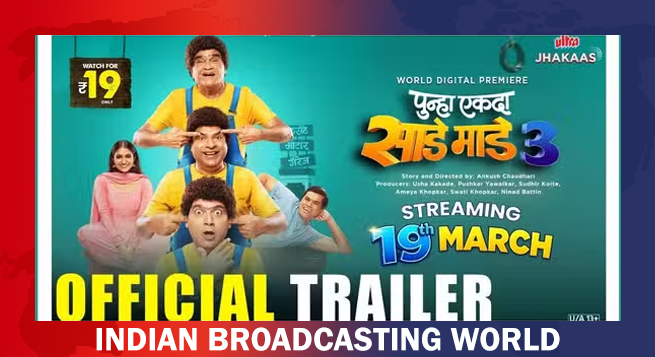
 ‘Punha Ekda…’ to stream on Ultra Jhakaas from Mar 19
  Punjab unveils film promotion policy offering major subsidies
  Prasar Bharati holds copyright over content, govt clarifies in Parliament
 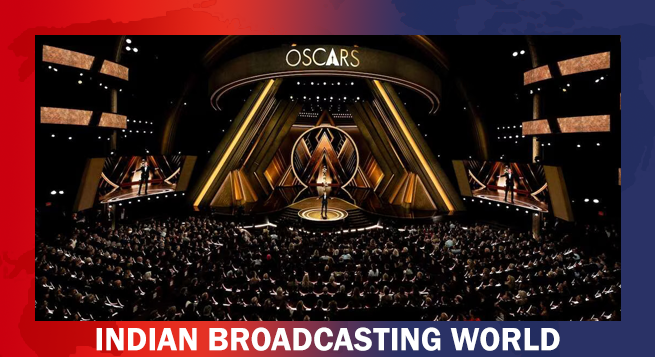 ‘One Battle…’, ‘Sinners’, Marty…’, begin Mar15 Oscars quest
  Choice International, CNBC-AWAAZ host ‘Nivesh Nirnay’ initiative in Vadodara
  WION to host World PULSE forum in New Delhi
 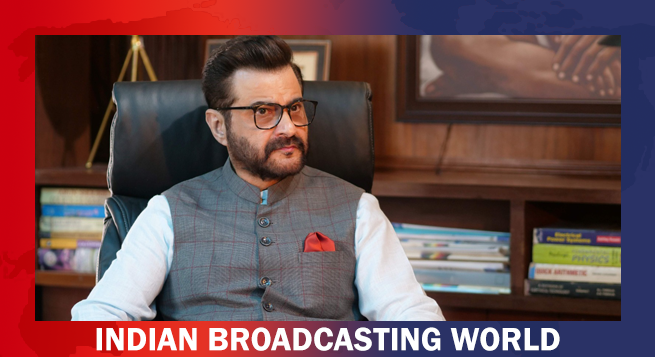 Sanjay Kapoor reflects on working with Prakash Jha in ‘Sankalp’
 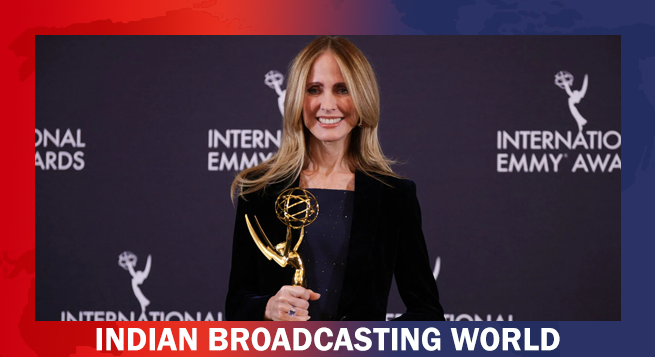 Disney reshapes entertainment leadership under Dana Walden
 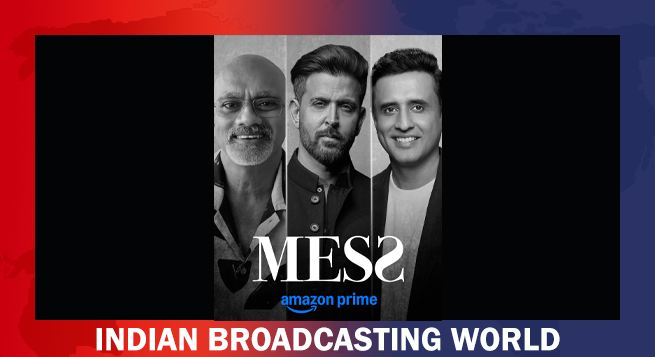 Prime Video, Hrithik Roshan team up again for comedy ‘Mess’



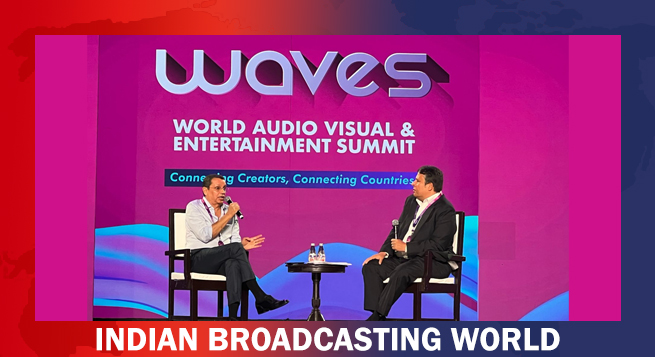
India’s media and entertainment sector stands at the cusp of a transformative boom, poised to potentially double its value within the next five years, according to industry veteran Uday Shankar, Vice Chairman of JioStar.
Speaking at the WAVES Summit today, during an insightful session titled “Media In India: Past 25 Years & Journey Ahead – to 2047,” Shankar painted a vibrant picture of the industry’s past achievements and laid out a compelling vision for its future. The session, expertly moderated by Vivek Couto, Managing & Executive Director of Media Partners Asia, provided a comprehensive analysis of the sector’s trajectory.
This detailed news report delves into the key takeaways from the engaging dialogue, where Shankar eloquently charted the remarkable evolution of Indian visual media. From its humble beginnings with the almost accidental entry of satellite television in the early 1990s, the industry has blossomed into one of the most deeply penetrated video markets globally. Shankar highlighted the unique resilience of Indian television, which, despite being largely a paid service, continues to thrive alongside the phenomenal surge in streaming video consumption and business.
He firmly dismissed any notion of television’s demise in India, emphasizing the spectacular growth witnessed in the streaming space. This growth, he asserted, was primarily fueled by the ingenuity and dynamism of domestic enterprises, coupled with the creative prowess of local talent and predominantly Indian capital. While acknowledging that the journey wasn’t without its imperfections and instances of value destruction, the overarching narrative remains one of extraordinary expansion in video consumption and content creation.
Looking towards the future and the ambitious goal of 2047, Shankar outlined three pivotal drivers that will be crucial in propelling the industry’s growth. Firstly, he stressed the paramount importance of creating significantly more content that is specifically tailored to the diverse needs and preferences of the Indian audience. He cautioned against the limitations of simply importing successful global content, emphasizing the necessity of developing narratives and formats that deeply resonate with local tastes.
Secondly, he underscored the need to further penetrate distribution channels, aligning with the ever-expanding reach of telecom, broadband, and the ongoing data revolution. This deeper distribution, he argued, necessitates content that moves beyond a “one-size-fits-all” approach, catering to the linguistic and cultural nuances across the country.
Thirdly, Shankar highlighted the critical need to strengthen the creative infrastructure. He pointed out that the industry’s growth is not solely limited by capital but significantly by the availability of skilled storytellers, writers, producers, directors, and actors. He observed a growing disconnect between the content being produced and the evolving sensibilities of the Indian consumer, suggesting that the audience is often ahead of the content creators in their expectations and desires. Bridging this gap through nurturing new talent and fostering innovation is paramount.
Addressing the recent challenges faced by the theatrical segment, particularly in North India, Shankar offered a nuanced perspective. He noted a significant dip in box office collections for Bollywood films, contrasting this with the vibrant and economically successful cinematic landscape in the southern states of Tamil Nadu, Telugu, and Kannada. He attributed Bollywood’s struggles to a creative stagnation, a failure to adapt to the changing tastes of the audience, and a reluctance to embrace new talent across various aspects of filmmaking.
Shankar also pointed to the limited number of exhibition screens and the high cost of the movie-going experience as deterrents for many. He drew a stark contrast with South India, where more affordable ticket prices contribute to a thriving theatrical culture. Shankar emphasized that resolving these issues requires a concerted effort to foster creativity, welcome new talent, expand distribution, and better connect with the evolving preferences of the Indian audience.
Turning the focus to Geostar’s content strategy, while refraining from divulging specific investment figures, Shankar passionately emphasized the substantial and continuous investments made by Indian media companies in content creation.
He highlighted the impressive combined content expenditure of the entities that now form JioStar, reaching Rs.25,000 crores in 2024 and projected to climb to Rs.30,000 crores in the current year, a cumulative investment exceeding $10 billion over just three years. He underscored the fundamental difference in focus between domestic and global media investments, asserting that Indian companies primarily target the Indian consumer, understanding their tastes and relying on the local market for returns.
Discussing the initial performance of the newly merged media powerhouse of Reliance and Disney, Shankar conveyed strong satisfaction with the achievements in a relatively short period. He highlighted their success in revitalizing the pay-TV market, which has seen subscriber growth rather than the widely predicted decline. He attributed this to a renewed focus and belief in the continued potential of the Indian pay-TV market. In the streaming space, while not confirming specific figures, Shankar alluded to “spectacular growth,” effectively debunking the earlier notion of a limited subscription market. He acknowledged India’s price sensitivity but emphasized the immense market potential when affordability is kept at the forefront, a principle that fueled the initial explosion of cable and satellite television in the country.
Finally, addressing the evolving landscape of media monetization and regulation, Shankar pointed to the increasing pressure on traditional advertising revenue due to the emergence of non-traditional players. He stressed the urgent need for innovation in revenue models beyond advertising and subscription to unlock further growth and value.
On the regulatory front, Shankar expressed concern that the current framework lags significantly behind the rapid transformations within the industry. He cautioned against adopting a homogenized approach to regulating different screen formats, arguing that television and digital platforms serve distinct purposes and are at different stages of evolution.
He advocated for a regulatory environment that allows for healthy competition and supports growth, rather than inadvertently hindering value creation in both traditional and emerging media sectors. Shankar’s concluding remarks underscored the immense potential of the Indian media and entertainment industry, contingent on a strategic focus on local content, deeper distribution, nurturing creative talent, and embracing innovative monetization models, all within a supportive and forward-thinking regulatory framework.